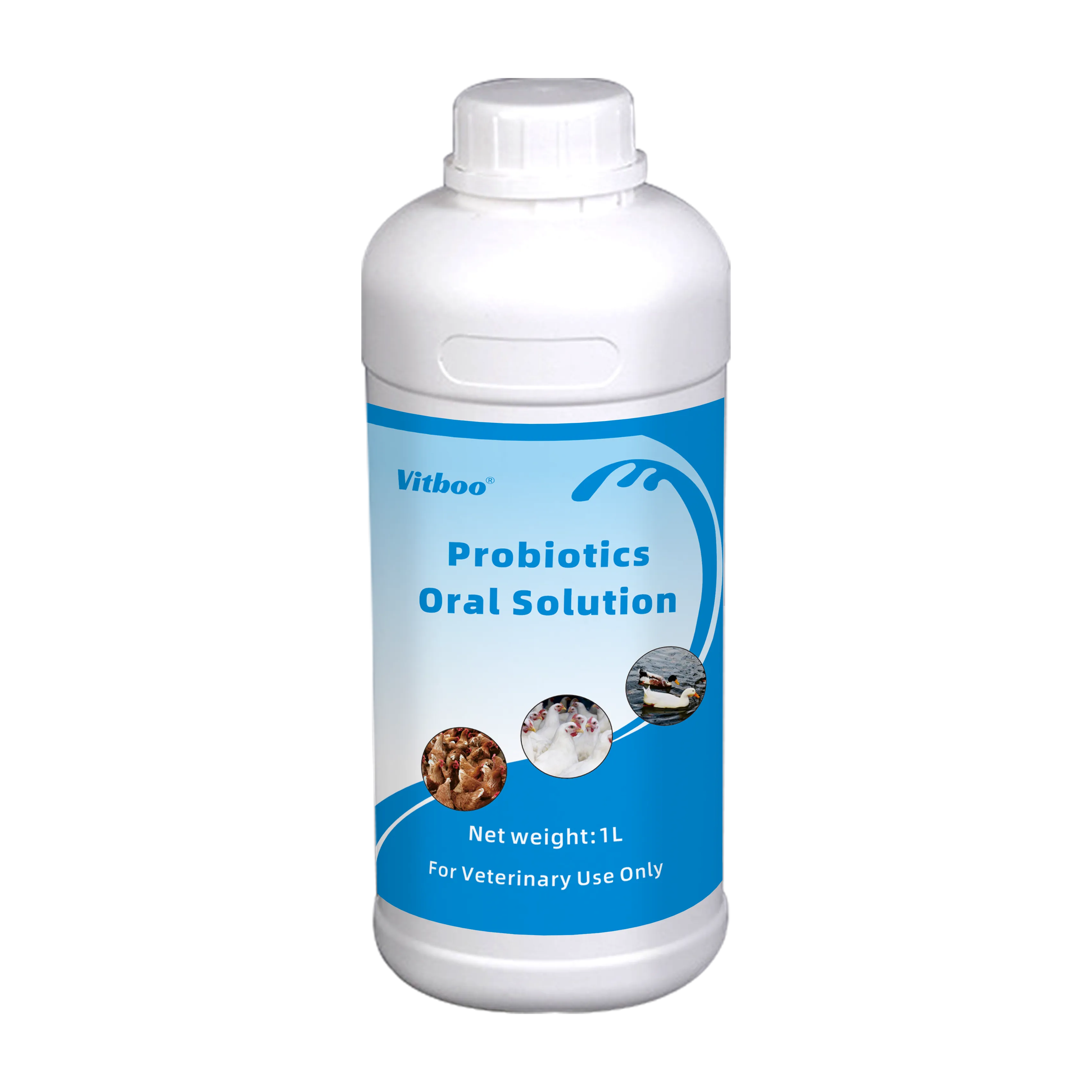
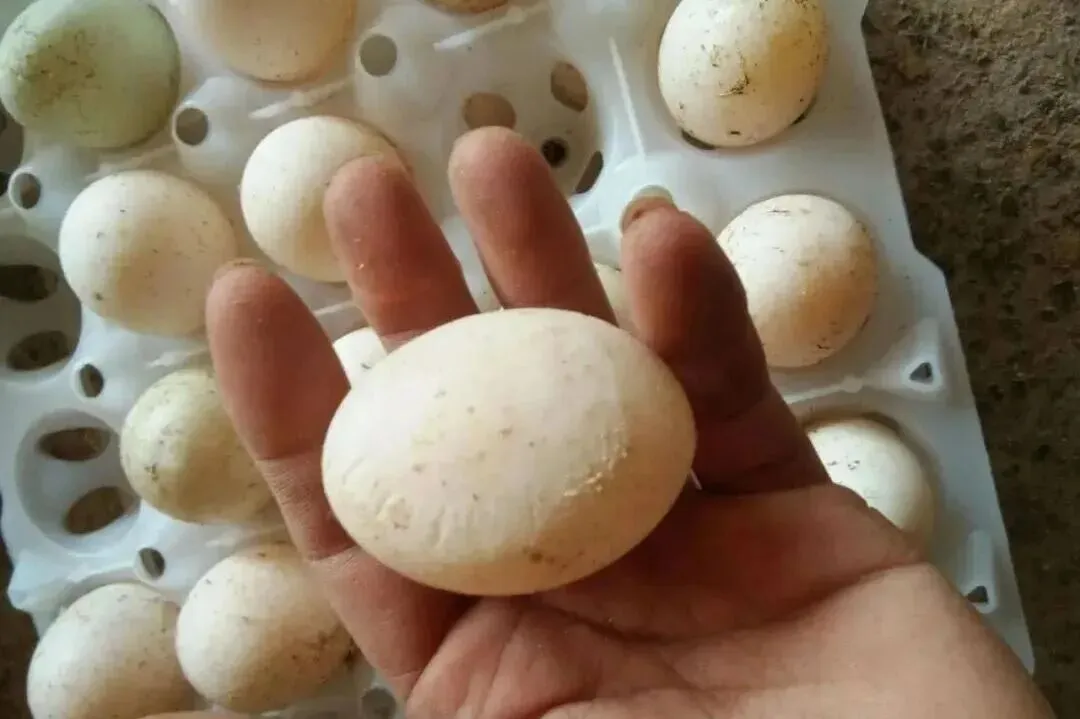
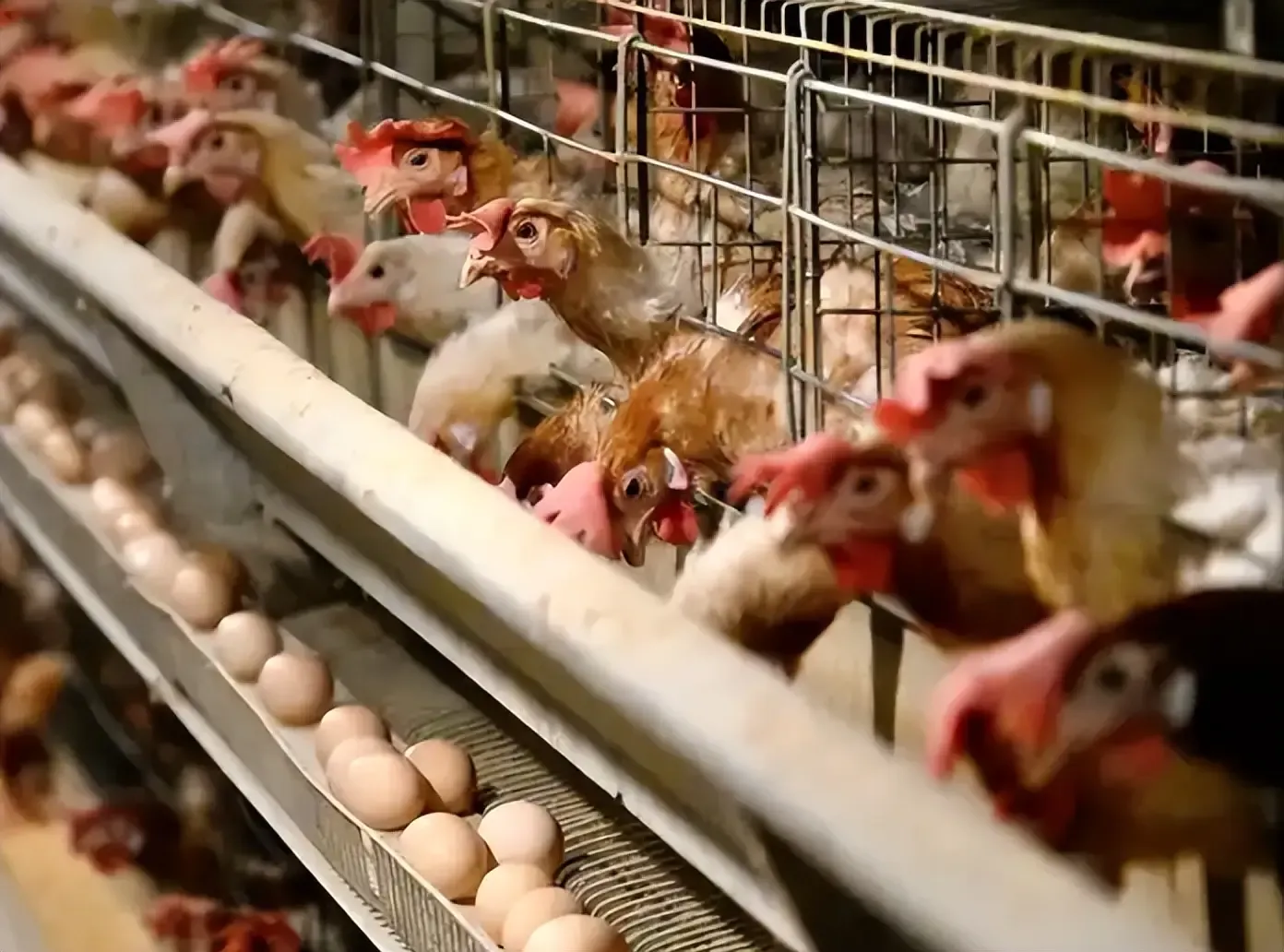
Every week the records say the same thing: mortality is normal, the birds are eating, no coughing, no swollen heads, no nervous signs — yet the laying rate drops another point and a half. A flock that should hold 92–95% at peak slides to 88%, then 84%, then 80%, and the eggs that do arrive are paler, lighter and easier to break. By the time the farm starts hunting for a disease, three weeks of income are gone. In most of these cases the culprit is not an outbreak at all: it is mycotoxins in the feed, working slowly through the liver. This Vitboo field guide explains the mechanism, how to confirm it, and which support products restore production.
01 The Silent Culprit: Mycotoxins That Cause No Fever and No Deaths
Aflatoxin B1, ochratoxin A, zearalenone, deoxynivalenol, T-2 toxin and fumonisin rarely arrive in one heavy dose. In layer feed they arrive in small, repeated amounts — a batch of corn with high moisture, a silo corner that warmed up, a consignment left too long in a humid warehouse. The birds eat it daily, in amounts too low to kill them and too high to leave them productive.
The damage starts in the liver, which builds yolk precursors, packages fat into lipoproteins and regulates calcium and vitamin D3 metabolism for shell formation. Aflatoxin suppresses liver protein synthesis; ochratoxin targets the kidney and interferes with calcium handling; zearalenone and deoxynivalenol disturb follicle development and intestinal absorption. None of this produces a fever or a dead bird on the floor. It produces a flock that lays less, with paler yolks, thinner shells and a slower feed response — the pattern most often misread as "the flock is just getting old".
This is why nutritionists now treat mycotoxin control in layer feed as a routine cost item, not an emergency measure. Two points of lost laying rate on a 10,000-bird flock costs far more per month than a continuous binder program.
02 How a 94% Flock Becomes a 78% Flock in Six Weeks
The decline is gradual and easy to dismiss, which is precisely why it is expensive. It usually follows a recognizable pattern.
-
Week 1–2: laying rate holds at 92–94%, but shell color is slightly pale and cracked or thin-shelled eggs creep up.
-
Week 3–4: rate falls to 86–88%. Feed intake is flat or higher, so the feed-to-egg ratio worsens and manure looks wetter.
-
Week 5–6: rate sits at 78–82%. Egg weight drops 1–2 g, yolk color fades, combs go pale and feathers look dry and ruffled.
At no point does mortality leave the normal 0.03–0.08% band, and that is the strongest clue. Acute aflatoxicosis kills; chronic exposure does not kill, it taxes. A flock living on a taxed liver keeps body weight and behavior while losing its ability to convert feed into eggs.
The burden compounds itself. Reduced bile flow and fat metabolism produce fatty, friable livers and poorer absorption of fat-soluble vitamins, so vitamin A, D3 and E status falls even when the premix is correct. Shell quality then fails from two directions: less calcium transport, and less vitamin D3 to drive it.
03 Why Mortality Stays Normal While Production Collapses
When a flock loses production without deaths, the question is whether the cause is chronic, metabolic or management-related rather than acute and infectious. Avian influenza, Newcastle disease and infectious bronchitis announce themselves: mortality, respiratory noise, neurological signs, or a sharp three-day collapse of output and shell quality. Egg drop syndrome produces soft, shell-less or pale eggs in a characteristic pattern, still without mortality. Chronic mycotoxin exposure produces none of those markers; it only produces averages that keep moving down.
Hence the practical rule: when mortality is normal and production still falls, look at the feed and the liver before looking at the vaccine fridge. A feed mycotoxin screen plus a post-mortem liver and oviduct check settles most cases within a week.
04 The Other Culprits Worth Ruling Out
Mycotoxins are the most common silent cause, not the only one. Check these in parallel:
-
Subclinical salpingitis and yolk peritonitis: E. coli and opportunists inflame the oviduct, cutting albumen quality and saleable eggs without raising mortality.
-
Subclinical coccidiosis: intestinal damage lowers absorption, often visible only as wet litter and uneven uniformity.
-
Calcium, phosphorus and vitamin D3 imbalance: thin, soft or rough shells as the hen mobilizes bone calcium.
-
Methionine, lysine and energy shortfalls: limiting amino acids directly cap egg mass, so a small formulation error becomes a steady decline.
-
Heat stress and water quality: reduced intake, panting, lighter eggs, and bacterial load in drinkers.
-
Lighting and stocking errors: too few light hours or crowding quietly cap persistency at peak.
-
Egg drop syndrome or infectious bronchitis: ruled out by shell abnormalities and serology, not guesswork
05 A Practical Diagnostic Routine That Takes One Week
-
Plot six weeks of laying rate, egg weight, shell defects, feed intake and mortality on one chart; the curve shape separates acute from chronic causes.
-
Sample feed at the silo, the feed line and the trough, and test for aflatoxin, ochratoxin A, zearalenone, deoxynivalenol, T-2 and fumonisin. One clean silo sample does not clear the system.
-
Post three to five birds and inspect liver, kidney, oviduct and intestine for pale, yellow or friable livers, urate deposits, thin oviducts and intestinal lesions.
-
Score shell quality and yolk color on 100 eggs against the flock's own baseline, not a general benchmark.
-
Check water intake, drinker hygiene and litter moisture; wet litter usually precedes the production drop by several days.
06 The Vitboo Recovery Program for Peak-Lay Flocks
Once the feed-and-liver route is confirmed or strongly suspected, recovery follows a fixed order: stop the toxin load, repair the liver, rebuild the oviduct and follicles, then restore mineral and vitamin status. The products below are from the official
Vitboo product catalog.
1. Bind and degrade the toxins first
The
mycotoxin binder for layer feed is designed to prevent and remove mold, protect the liver and kidneys and clear residual toxins. It combines glucose oxidase, Bacillus subtilis, herbal ingredients and trace minerals, and is intended to adsorb aflatoxin, zearalenone, T-2 toxin, deoxynivalenol, fumonisin and ochratoxin without binding vitamins, amino acids or medication.
For a fast drinking-water route during an active drop, the
mycotoxins remover oral solution helps prevent and degrade aflatoxin, fumonisin, zearalenone, ochratoxin and vomitoxin so ingested toxins are less absorbed and are excreted quickly, while lowering toxin concentration in blood and target organs.
2. Repair the liver that has been carrying the load
The
liver protection for laying hens solution combines sorbitol, carnitine, choline chloride, betaine, silymarin, inositol, methionine, plant extract and magnesium sulphate. It is formulated to stimulate liver metabolism, regenerate liver cells, prevent fat accumulation, support bile production and protect the liver against toxins, antibiotics and anthelmintics.
Where kidney involvement is also present, seen as pale kidneys, urate deposition or wet manure, the
liver and kidney oral solution supports both organs and helps restore immunity and feed intake after mycotoxin, heat or medication stress.
3. Rebuild the oviduct and follicle output
Production cannot return until follicle development and oviduct function recover. The
fallopian tube promoter is used for salpingitis and the secondary bacterial complications that follow a weakened flock, supporting the oviduct so albumen quality and shell formation stabilize.
The
layer egg booster is built around follicle development, ovulation and tubal gland secretion, with vitamins A, D3, E, K3, B1, B2 and B6, lysine, methionine, chelated trace elements and herbal components. Vitboo reports brighter shells within 3–5 days, roughly 90% fewer broken-shell eggs after 15 days, and a 3–10% laying-rate gain with about 1 g extra egg weight during recovery, while long-term inclusion helps hold the peak 30–60 days longer. The
layer egg boost variant additionally targets yolk color, shell hardness and soft-egg rate.
4. Restore the minerals and vitamins that the liver could not deliver
Because a damaged liver transports fat-soluble vitamins poorly, shell and yolk quality often lag behind the laying rate. The
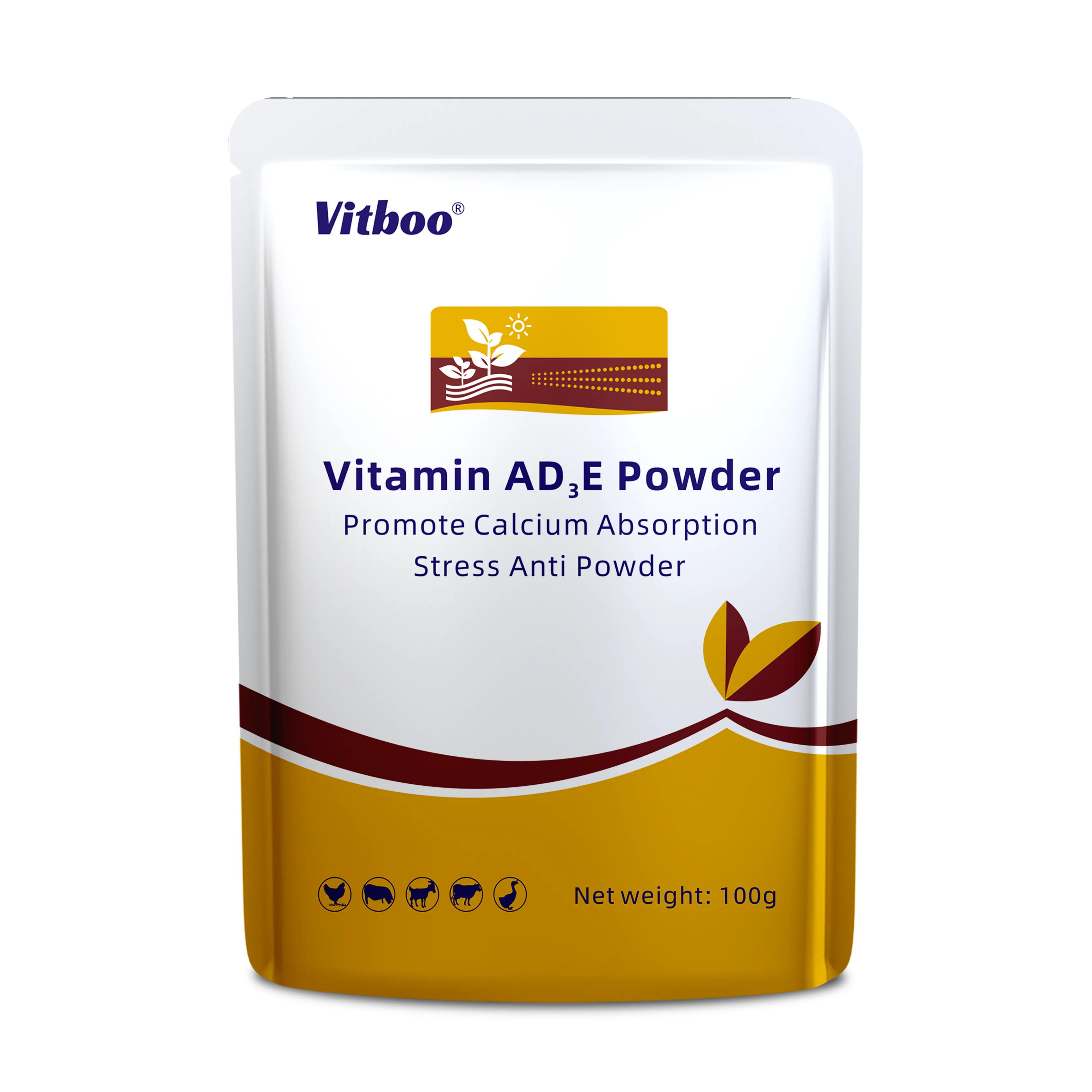
vitamin AD3E soluble powder supplies vitamin A 5,000,000 IU, vitamin D3 1,500,000 IU and vitamin E 10,000 mg, and is indicated for layers to restore egg production, improve shell quality and yolk color and reduce broken eggs. The
super concentrate calcium granules combine vitamin A, vitamin D, milk calcium, shell powder and phytase to support calcium supply and shell strength.
For overall vitamin, trace element and amino acid status, the
multivitamin soluble powder supplies vitamins A, D3, E, K3, B1, B2 and B6 with lysine, methionine and trace elements, and is indicated for laying birds to support larger eggs, good shells and a longer laying period.
5. Control the co-factors that keep production down
If coccidiosis is part of the picture, the
diclazuril oral solution is indicated for prevention and treatment of poultry coccidiosis, including Eimeria tenella, E. acervulina, E. necatrix, E. brunetti and E. maxima. In hot weather, the
heat stress regulator powder addresses the drop in laying rate and the sandy, soft or deformed eggs that follow heat stress. Where dehydration accompanies the drop, the
vitamin C + electrolyte powder helps maintain fluid and acid-base balance.
07 Prevention Protocol to Keep the Peak Flat
Recovery is expensive; prevention is not. Four habits keep most peak-lay flocks out of this article's opening paragraph:
-
Keep finished feed below 12% moisture, rotate stock first-in-first-out and clean silos on a fixed schedule.
-
Run a continuous toxin binder and raise inclusion when a new corn or maize batch arrives.
-
Give liver support every four to six weeks through peak, and after prolonged medication or disease.
-
Record laying rate, egg weight, shell defects and mortality daily — a two-point drop over three weeks is a signal, not noise.
08 About Vitboo
Vitboo has focused on animal health care products for more than 20 years, with production lines covering powder and premix, oral liquid, injection, tablets and bolus, disinfectants and insecticides. The company runs ISO9001 and GMP-compliant facilities, supports OEM and ODM custom formulas and packaging, and serves more than 50 export markets with over 1,000 partners. Distributors can request layer-specific programs and private-label packaging through the
Vitboo contact page.