News
· Focus on Animal Health Care Product for Over 20 Years.
+86 135 9888 1411
sales@vitboo.com info@vitboo.com

In modern pig farming, slow weight gain and persistent coughing are two warning signs that producers should never ignore. When fattening pigs continue to consume feed but fail to achieve their expected daily weight gain, farmers may initially suspect poor feed quality, nutritional deficiencies, overcrowding, or an inefficient feeding program. However, when these problems occur alongside a recurring cough, particularly during the early morning hours, respiratory disease should become a key consideration. One important condition to investigate is Mycoplasma hyopneumoniae infection, commonly associated with porcine enzootic pneumonia, a chronic respiratory disease that can undermine pig health, feed efficiency, and farm profitability. For commercial pig farms, understanding how this disease develops, recognizing its early warning signs, and implementing effective herd management strategies are essential to maintaining stable production performance.
Consider a representative case from a fattening pig unit. Over several weeks, farm workers notice that some pigs are eating reasonably well but gaining weight more slowly than expected. The animals appear less active than healthy pen mates, and a dry, persistent cough becomes more noticeable when the pigs get up, move around, or experience changes in their surroundings. The cough may be especially apparent in the morning, when activity increases after a period of rest. Although many affected pigs remain standing and eating, the group gradually develops uneven body weights, extended finishing periods, and increased feed costs per kilogram of weight gain.
This clinical pattern raises suspicion of a respiratory problem, including Mycoplasma hyopneumoniae infection, but it does not establish a definitive diagnosis. Other pathogens, such as swine influenza virus, porcine reproductive and respiratory syndrome virus (PRRSV), and Pasteurella multocida, may contribute to respiratory disease, particularly when infections occur together. Environmental factors, including poor ventilation, excessive stocking density, dust, and elevated concentrations of harmful gases, can further aggravate respiratory irritation and disease severity.
A thorough investigation therefore begins with the overall pattern rather than a single symptom. Farm managers should evaluate the number of coughing pigs, the duration and frequency of coughing, changes in feed intake and growth, mortality, medication history, and environmental conditions. Veterinary examination and appropriate diagnostic testing are needed to distinguish swine mycoplasma pneumonia from other respiratory conditions and to determine whether mixed infections are involved.
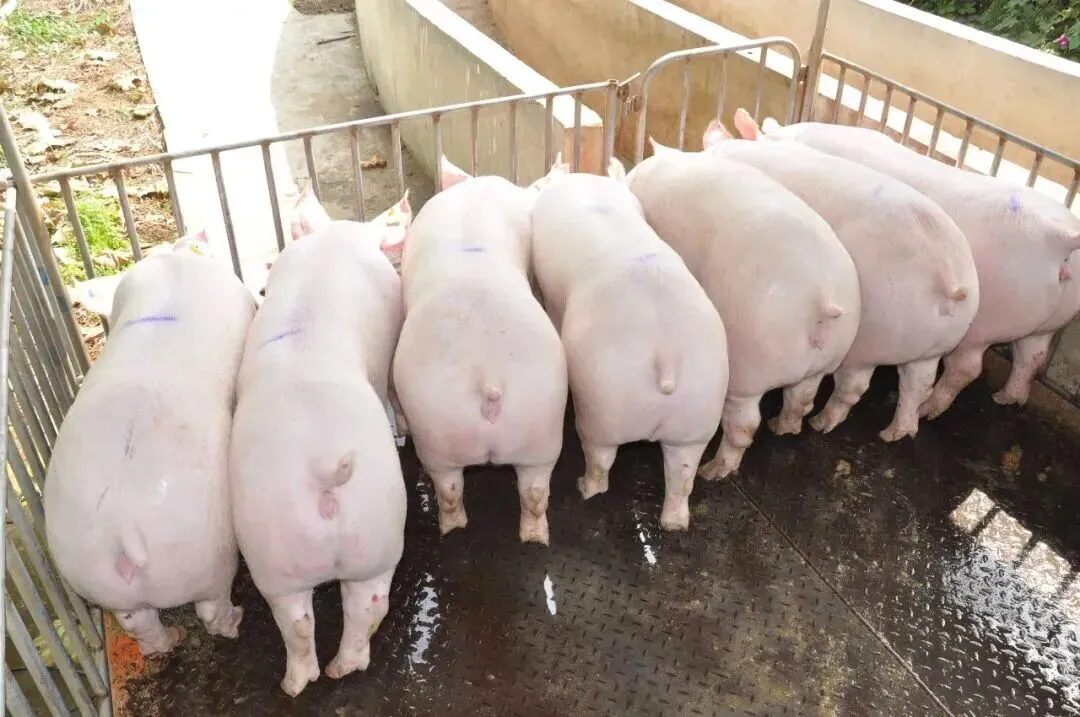
Mycoplasma hyopneumoniae is a bacterial pathogen that colonizes the respiratory tract of pigs and is a major cause of porcine enzootic pneumonia. It attaches to the ciliated epithelial cells lining the respiratory tract, interfering with the normal mucociliary clearance mechanism that helps remove inhaled particles and microorganisms. As this defense mechanism becomes impaired, the respiratory tract may become more vulnerable to secondary bacterial infections and prolonged inflammation.
Unlike some acute respiratory infections that cause sudden, severe illness, mycoplasma-associated disease often develops gradually. Affected pigs may display a persistent, nonproductive cough, reduced growth performance, and relatively mild clinical signs during the early stages. This slow progression can make the disease difficult to recognize promptly, especially in large production systems where small changes in individual animals may be overlooked.
The economic impact can nevertheless be considerable. Chronic respiratory inflammation increases the physiological burden on pigs and may reduce the efficiency with which they convert feed into body weight. When pigs require more days and more feed to reach market weight, production costs rise. If secondary infections occur, clinical disease may become more severe, treatment requirements may increase, and performance losses can become more pronounced. Consequently, Mycoplasma hyopneumoniae in pigs is not simply a respiratory health issue; it is also a feed-efficiency and production-management concern.
When the respiratory system is compromised, pigs must allocate physiological resources to maintaining normal function and responding to inflammation. Respiratory discomfort and recurring coughing can also affect activity, rest, and feeding behavior. In addition, respiratory disease frequently occurs alongside environmental stress, nutritional challenges, or other infections, all of which can influence growth. Even when feed intake appears relatively normal, the animal may not achieve its expected growth potential.
The distinction between apparent appetite and actual feed efficiency is important. A pig may continue eating but still demonstrate a poor average daily gain because of chronic disease, an unbalanced diet, inadequate water access, or suboptimal housing conditions. Producers should therefore assess average daily gain (ADG), feed conversion ratio (FCR), feed intake, body condition, and the distribution of body weights across the group instead of relying on appetite alone.
When several pigs show both slow growth and persistent coughing, investigating respiratory health should be part of the farm's performance review. Early identification of the underlying cause can help producers avoid unnecessary changes to feed formulations that fail to address the real problem.
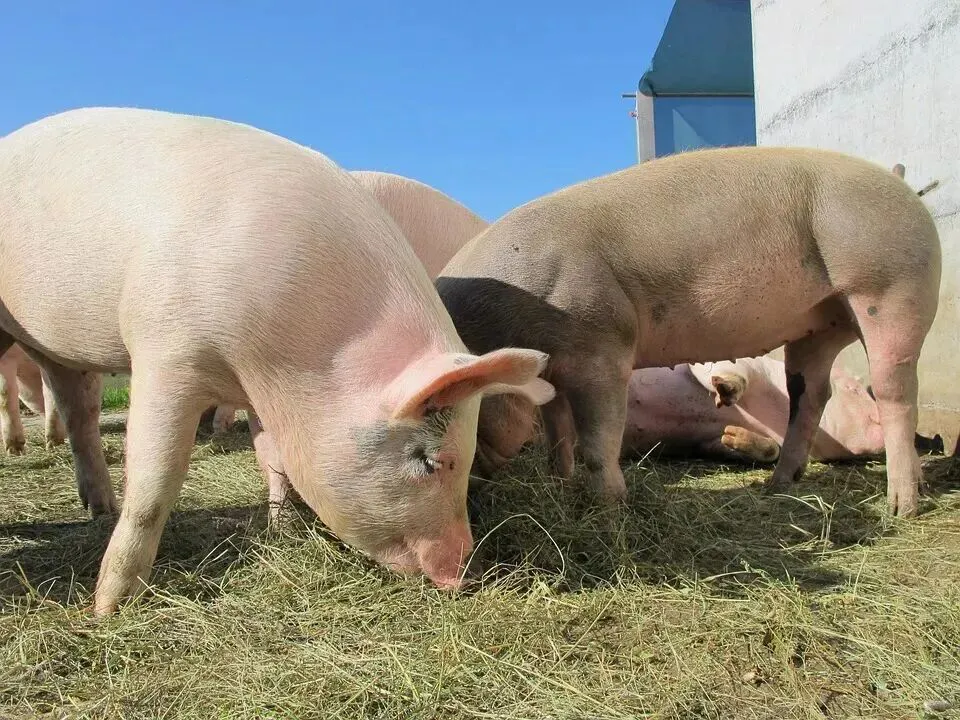
In poorly managed pig houses, ammonia and other airborne irritants can damage respiratory defenses and aggravate existing disease. Excessive humidity, condensation, inadequate air circulation, and abrupt temperature changes can further challenge the respiratory system. These environmental factors do not independently confirm mycoplasma infection, but they can increase the impact of respiratory disease and make recovery more difficult.
For this reason, pig respiratory disease prevention should include regular assessment of ventilation, air quality, stocking density, and temperature management. Farm staff should inspect pigs at different times of day and record whether coughing occurs mainly during movement, feeding, resting, or throughout the day. These observations provide useful information for the attending veterinarian and help identify management conditions that need correction.
Accurate diagnosis is essential because different respiratory pathogens can produce overlapping clinical signs. A persistent dry cough may be compatible with mycoplasma-associated pneumonia, but clinical observation alone cannot reliably distinguish it from every other cause of coughing in pigs.
Veterinarians may combine herd history, clinical examination, laboratory testing, and, when appropriate, postmortem examination. Polymerase chain reaction (PCR) testing can help detect pathogen genetic material in suitable samples, while lung lesions and additional laboratory findings may contribute to the overall diagnosis. The selection of samples and interpretation of results should account for the animals' clinical status, vaccination history, previous treatments, and the possibility of mixed infections.
A comprehensive assessment is particularly important when coughing is accompanied by fever, labored breathing, marked lethargy, a sudden increase in sick animals, or unexpected mortality. These signs may indicate a more serious respiratory outbreak that requires prompt veterinary intervention.
For producers investigating how to diagnose Mycoplasma hyopneumoniae in pigs, the most reliable approach is to combine clinical observations with veterinary assessment and appropriate diagnostic testing. Confirming the underlying problem allows farms to develop a targeted control strategy instead of relying on symptom-based assumptions alone.
Effective control of mycoplasma pneumonia in pigs requires a coordinated approach. Medication alone is rarely sufficient to resolve the underlying management challenges of a respiratory disease complex. Farms should review animal sourcing, quarantine procedures, pig movement, all-in/all-out management where feasible, equipment hygiene, and contact between different age groups. Reducing unnecessary mixing and maintaining consistent production groups can help limit opportunities for pathogen transmission.
Vaccination against Mycoplasma hyopneumoniae may be included in a herd health program, depending on the farm's disease status, production system, and veterinary recommendations. Vaccination can help reduce clinical disease and improve production outcomes, but it does not guarantee complete prevention of infection or transmission. Timing, vaccine selection, administration, and compatibility with the broader health program should be determined with a veterinarian.
When treatment is indicated, veterinary professionals may select appropriate antimicrobials based on the suspected or confirmed pathogens, local regulations, previous treatment outcomes, and responsible-use principles. Because mycoplasma disease frequently overlaps with other respiratory infections, treatment decisions should not be based on coughing alone. Farmers must follow prescribed dosages, treatment durations, withdrawal periods, and applicable food-animal regulations.
At the same time, correcting ventilation problems, controlling dust, reducing excessive stocking density, ensuring reliable access to clean water, and maintaining suitable temperature conditions can reduce respiratory pressure. These measures are particularly important because pigs recovering from respiratory disease still need an environment that supports normal feeding, rest, and growth.
Diagnosis: Looking Beyond the Cough
Integrated Control: Biosecurity, Vaccination, Treatment, and Housing
The Role of Nutrition in Respiratory Health and Growth Recovery
While nutritional supplements cannot eliminate Mycoplasma hyopneumoniae or replace appropriate veterinary treatment, swine nutrition plays an important supporting role in maintaining normal physiological function and helping pigs meet their nutritional requirements during challenging production periods.
Respiratory disease can coincide with reduced feed intake, increased physiological stress, and inconsistent growth. A well-formulated ration should provide appropriate energy, digestible amino acids, vitamins, minerals, and other essential nutrients according to the pigs' age, body weight, and production stage. Water availability and feeding management are equally important because inadequate water access can undermine feed consumption and overall performance.
Functional nutritional products may also form part of a broader strategy to support gut health, normal metabolism, immune function, and nutrient utilization. These areas matter because growth performance depends on more than respiratory health alone. Maintaining gastrointestinal function and supplying adequate nutrients can help pigs recover their normal production trajectory once the underlying disease and environmental problems are appropriately managed.
However, product selection should be based on the actual nutritional need, product composition, evidence supporting the intended use, and local feed regulations. No vitamin, probiotic, premix, or general-purpose feed additive should be presented as a direct cure for mycoplasma pneumonia unless a specific claim is supported by appropriate evidence and permitted under applicable regulations.
As an animal nutrition and health products brand, Vitboo focuses on providing animal feed additives, feed supplements, premixes, and other nutritional solutions for livestock producers and international B2B customers. For pig farms dealing with inconsistent growth, feed-utilization challenges, or nutritional pressure during disease management, Vitboo's product portfolio can contribute to a comprehensive nutritional support program when products are selected according to the herd's needs.
Depending on product formulation, appropriate Vitboo nutritional products may help supply essential vitamins, minerals, and other functional nutritional components that support normal metabolism, digestive function, and physiological performance. Such nutritional support can be valuable when farms are working to restore consistent feeding patterns and growth after respiratory health and environmental issues have been addressed. For growing and fattening pigs, the broader objective is to support feed efficiency, growth performance, gut health, and immune function as part of a well-managed production system.
Vitboo's approach emphasizes practical nutritional support alongside sound farm management. Rather than positioning feed additives as substitutes for veterinary diagnosis or disease-specific treatment, the company recognizes that sustainable livestock performance depends on combining appropriate nutrition, biosecurity, environmental control, and professional animal healthcare.
For feed distributors, livestock producers, and animal nutrition businesses seeking swine feed additives, pig growth supplements, and customized nutritional solutions, product selection should be guided by the intended application, formulation details, product quality, and local regulatory requirements. Vitboo aims to support customers with animal nutrition products that can be incorporated into responsible livestock management programs.
The most valuable lesson from a case involving morning coughing and slow growth is the importance of early observation and systematic investigation. When pigs continue to eat but fail to gain expected weight, producers should examine growth records, feed quality, water supply, ventilation, stocking density, and respiratory symptoms together. A persistent cough should trigger a closer assessment of herd health, particularly when multiple pigs are affected or performance declines across an entire pen.
Farms should establish routine monitoring of average daily gain, feed conversion, treatment records, mortality, and coughing prevalence. Reviewing these indicators together can help identify changes earlier and assess whether interventions are improving herd performance. Feed storage and formulation should also be reviewed to ensure that nutritional problems are not adding to the burden of respiratory disease.
Ultimately, how to improve pig growth and prevent respiratory disease is a question that requires more than one intervention. Mycoplasma control, appropriate vaccination, veterinary-guided treatment, biosecurity, ventilation, and balanced nutrition all contribute to a more resilient production system. No single feed additive can replace these measures, but suitable nutritional products can support normal physiological function within an integrated management program.
For commercial pig farms, the combination of persistent coughing, uneven growth, and poor feed efficiency should never be dismissed as a routine production fluctuation. By recognizing the possible role of Mycoplasma hyopneumoniae, investigating the underlying cause, and addressing both disease pressure and nutritional needs, producers can make more informed management decisions. Through its focus on animal nutrition products, swine feed additives, and livestock health support, Vitboo seeks to help international customers pursue healthier herds, more consistent growth, and more sustainable livestock production.
Vitboo Supports Practical Animal Nutrition and Livestock Health Management
Preventing Recurrence: Turning Case Review into Farm Action
Chicken Respiratory Infections Progress in Six Stages: Understand Disease Course and Implement Early Control
2026-10-09Understanding Bovine Stress Syndrome in Cattle Herds
2026-09-22Cattle and Sheep Eat but Fail to Grow? Watch for the Hidden Damage Caused by Mycotoxins
2026-09-08How to help laying hens survive the summer heat?
2026-07-23Mycoplasma Synoviae Outbreaks Surge: New Symptoms Emerge in African Poultry Farms
2026-07-07Summer Mosquito Infestation in Africa: Alert for Swine Japanese Encephalitis Outbreaks
2026-07-01Sores on your sheep's mouth? Watch out for Contagious Pustular Dermatitis.
2026-04-13Why Does the Mold Problem in Poultry Farms Worsen Despite Prevention Efforts?
2026-04-08Do you truly understand the dangers of necrotic enteritis in poultry?
2026-01-14The most common bacterial disease in poultry—E. coli infection
2026-01-06Phone:+86 135 9888 1411
Tel:+86-0371-88959050
Email:sales@vitboo.com
Address:Zhengzhou City, Henan Province, China