News
· Focus on Animal Health Care Product for Over 20 Years.
+86 135 9888 1411
sales@vitboo.com info@vitboo.com

In many cattle and sheep farms, producers may encounter a frustrating situation: animals consume enough feed every day, but their body weight increases slowly, feed efficiency declines, and overall growth performance remains below expectations. In breeding herds, the problem can become even more complicated, with weak offspring, irregular reproductive performance, or unexplained pregnancy losses appearing without obvious signs of infectious disease. While farmers often first consider nutritional deficiencies, poor feed quality, parasites, or infectious diseases, another hidden factor deserves much greater attention: mycotoxin contamination in animal feed.
Mycotoxins in cattle and sheep feed are toxic metabolites produced by certain molds that can develop in grains, forage, silage, and other feed ingredients under unsuitable storage conditions. Common mycotoxins include aflatoxins, deoxynivalenol (DON), zearalenone (ZEA), fumonisins, and ochratoxin A. Their impact can vary according to the animal species, age, physiological condition, toxin type, exposure level, and duration of exposure. The most concerning characteristic is that mycotoxin contamination does not always produce dramatic symptoms immediately. Instead, prolonged exposure can gradually compromise feed intake, digestion, immunity, liver function, rumen health, reproduction, and growth performance. For livestock producers searching for solutions to cattle slow growth, sheep weight gain problems, poor feed conversion, and reproductive problems in cattle and sheep, controlling mycotoxin exposure should be considered an important part of herd health management.
The Hidden Connection Between Poor Growth and Feed Mycotoxins
When cattle or sheep appear to eat normally but continuously fail to gain expected body weight, farmers usually evaluate the energy, protein, minerals, vitamins, and feeding management of the ration. However, feed quality is more than nutritional composition. Even when a feed analysis shows sufficient protein and energy, contamination with mycotoxins can reduce the effective nutritional value of the diet and interfere with the animal's ability to utilize nutrients efficiently.
For growing cattle and sheep, this may manifest as poor weight gain, reduced feed efficiency, delayed development, rough hair coats, reduced vitality, or increased susceptibility to environmental stress. Mycotoxins can affect the gastrointestinal tract and interfere with normal digestive processes, meaning that animals may not obtain the expected benefits from the nutrients they consume. In ruminants, the rumen provides a unique microbial environment that can transform some compounds, but this does not mean cattle and sheep are completely protected from mycotoxins. Certain toxins can remain biologically active or exert effects on the digestive system, liver, immune system, and other tissues.
This creates a particularly difficult management problem for farms. Producers may continue increasing feed quantity in an attempt to improve growth, yet the expected improvement may not occur. As feed costs rise, the economic loss becomes increasingly significant. In commercial cattle and sheep farming, the objective is not simply to increase feed intake but to improve the animal's ability to efficiently utilize feed while maintaining digestive and immune health. Therefore, mycotoxin management in livestock feed can play an important role in supporting consistent growth performance.
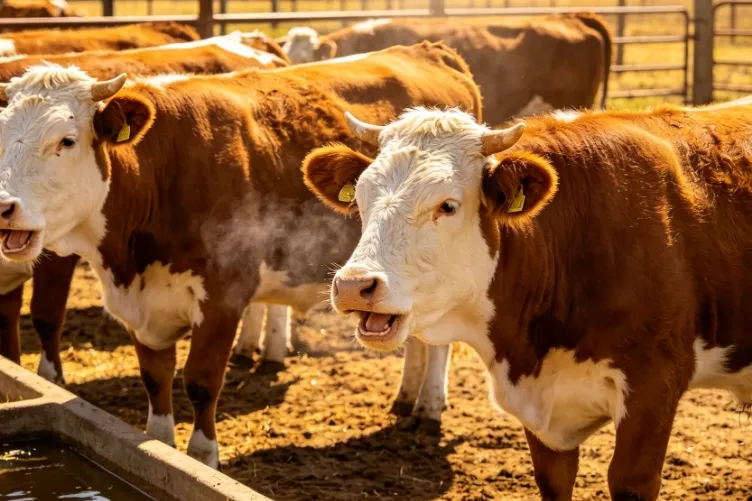
The reproductive consequences of mycotoxin exposure deserve special attention, particularly in breeding cattle, sheep, and other ruminants. When a breeding female experiences reproductive abnormalities, farmers may immediately investigate infectious diseases, mineral deficiencies, nutritional imbalance, or poor breeding management. These are certainly important factors, but contaminated feed should not be overlooked.
Zearalenone, for example, is known for its estrogenic activity and can interfere with reproductive physiology in susceptible livestock. Depending on the exposure situation, mycotoxin contamination may be associated with reproductive disturbances, abnormal estrous behavior, reduced reproductive efficiency, or other fertility-related concerns. In practical farm conditions, reproductive performance is influenced by multiple factors, so it is rarely appropriate to attribute a specific abortion or reproductive event to mycotoxins alone without veterinary investigation. Nevertheless, persistent feed contamination can become one of the underlying stressors affecting herd reproductive health.
For producers dealing with cattle reproductive problems, sheep reproductive problems, reduced conception rates, weak newborn animals, or inconsistent reproductive performance, a comprehensive feed-quality assessment is therefore valuable. If mold growth, poor storage conditions, visibly damaged grains, or long-term feed storage are present, mycotoxin risk should be evaluated alongside infectious, nutritional, and management factors.
Why Moldy Feed Is More Dangerous Than It Looks
One common misconception is that mycotoxin contamination can be identified simply by looking for visible mold. In reality, the relationship between visible mold and mycotoxin contamination is much more complicated. Feed can contain mycotoxins even when obvious mold growth is not present, while visible mold does not necessarily indicate the exact type or concentration of toxin present.
Mycotoxins can be produced before harvesting, during transportation, or during storage when temperature, humidity, oxygen availability, and other environmental conditions favor fungal development. Damaged grains and improperly dried feed ingredients may be particularly vulnerable. Silage and other fermented feeds can also require careful management to reduce spoilage and contamination risks.
This is why livestock feed quality control should go beyond visual inspection. Proper harvesting, drying, storage, transportation, and feed management remain the first line of defense. Farmers should also avoid using visibly spoiled feed and should establish appropriate feed-testing procedures when contamination is suspected.
For international livestock producers, the issue is particularly important because feed ingredients can pass through multiple stages of transportation and storage before reaching the farm. Climatic conditions in regions such as Africa, Southeast Asia, the Middle East, and other warm and humid markets may create additional challenges for feed storage. High temperature and humidity can accelerate fungal growth when feed management is inadequate, increasing the importance of preventive mycotoxin control for cattle and sheep.
Protecting Gut Health and Immunity Is Part of Mycotoxin Management
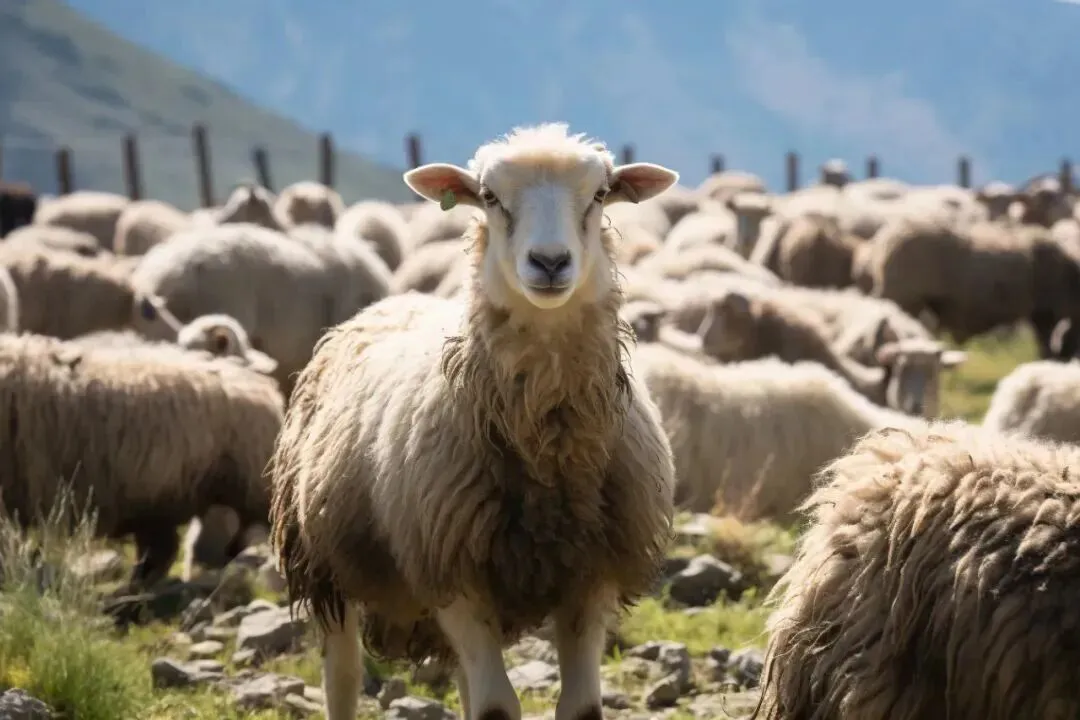
The effects of mycotoxins are not limited to growth and reproduction. Long-term exposure may place additional pressure on the animal's gastrointestinal and immune systems. Once gut integrity and digestive function are compromised, animals can become less efficient at utilizing nutrients and may become more vulnerable to environmental stressors and secondary health challenges.
This is particularly important in young calves and lambs, which have developing digestive and immune systems. Maintaining a healthy gastrointestinal environment supports nutrient digestion, feed utilization, growth, and overall resilience. For adult breeding animals, maintaining normal digestive and immune function is equally important because body condition and health status directly influence productivity and reproductive management.
For this reason, modern livestock production increasingly considers gut health, immune support, and mycotoxin control as interconnected aspects of herd management rather than completely separate issues. A practical nutritional strategy should focus not only on supplying nutrients but also on helping animals maintain normal physiological function when they encounter dietary and environmental challenges.
As a manufacturer specializing in animal nutrition and health products, Vitboo pays close attention to the nutritional challenges faced by modern livestock farms. The company provides animal feed additives, nutritional supplements, premixes, and other animal health solutions designed to support livestock production under different farming conditions.
In situations where feed quality is a concern, Vitboo's nutritional solutions can be incorporated into a broader farm management program aimed at supporting gut health, immune function, nutrient utilization, growth performance, and overall animal health. Rather than treating mycotoxin exposure as an isolated problem, Vitboo emphasizes a comprehensive nutritional approach that supports the animal's natural physiological functions and helps maintain stable production performance.
For cattle and sheep experiencing poor growth, inconsistent feed utilization, or increased nutritional pressure, appropriate feed supplementation can help provide essential vitamins, minerals, and functional nutritional components required for normal metabolism and physiological development. Supporting digestive function and immune health is particularly important when animals are exposed to challenging feed or environmental conditions.
Vitboo also develops solutions for different livestock production stages, including growing cattle and sheep, breeding animals, poultry, and pigs. This allows distributors, feed manufacturers, livestock farms, and other professional customers to select nutritional products according to their specific production requirements.
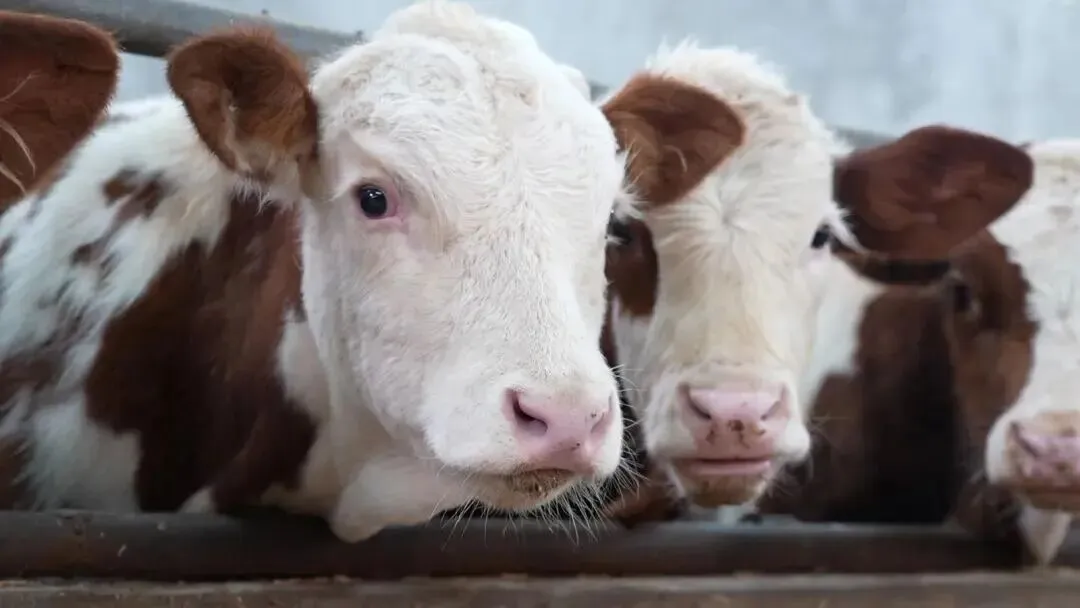
Modern livestock farming is becoming increasingly focused on efficiency, sustainability, and consistent animal performance. Feed represents one of the largest operating costs on a livestock farm, so poor feed utilization can directly affect profitability. When cattle or sheep consume feed without achieving expected growth, the problem is not simply a health issue—it is also an economic issue.
Likewise, reproductive performance determines the long-term productivity of breeding herds. A single reproductive problem may have multiple causes, but persistent feed-quality issues can add unnecessary pressure to animals already facing nutritional, environmental, and physiological challenges. Managing feed quality and maintaining animal resilience are therefore essential components of professional livestock production.
The message for cattle and sheep producers is clear: when animals eat but fail to gain weight, when feed efficiency unexpectedly declines, or when breeding performance becomes inconsistent, do not look only at the quantity of feed. Look at the quality of the feed as well. Mycotoxins may be invisible, but their potential impact on digestion, nutrient utilization, immunity, growth, and reproduction should not be underestimated.
Vitboo continues to focus on the development and supply of animal nutrition products, feed additives, and livestock health solutions for international customers. By combining nutritional support with appropriate farm management and feed-quality control, producers can build a more comprehensive strategy for maintaining cattle and sheep health and supporting stable production.
For livestock farms, feed manufacturers, and distributors looking for practical solutions for cattle growth, sheep weight gain, livestock gut health, immune support, and mycotoxin risk management, professional nutritional strategies can provide an important layer of support. Ultimately, protecting animals from hidden feed-related challenges is not only about preventing disease—it is about protecting feed efficiency, reproductive performance, farm profitability, and the long-term health of the herd.
Pigs Eat but Fail to Gain Weight and Cough in the Morning: An In-Depth Case Review of Mycoplasma Pneumonia in Fattening Pigs
2026-10-20Chicken Respiratory Infections Progress in Six Stages: Understand Disease Course and Implement Early Control
2026-10-09Understanding Bovine Stress Syndrome in Cattle Herds
2026-09-22How to help laying hens survive the summer heat?
2026-07-23Mycoplasma Synoviae Outbreaks Surge: New Symptoms Emerge in African Poultry Farms
2026-07-07Summer Mosquito Infestation in Africa: Alert for Swine Japanese Encephalitis Outbreaks
2026-07-01Sores on your sheep's mouth? Watch out for Contagious Pustular Dermatitis.
2026-04-13Why Does the Mold Problem in Poultry Farms Worsen Despite Prevention Efforts?
2026-04-08Do you truly understand the dangers of necrotic enteritis in poultry?
2026-01-14The most common bacterial disease in poultry—E. coli infection
2026-01-06Phone:+86 135 9888 1411
Tel:+86-0371-88959050
Email:sales@vitboo.com
Address:Zhengzhou City, Henan Province, China