News
· Focus on Animal Health Care Product for Over 20 Years.
+86 135 9888 1411
sales@vitboo.com info@vitboo.com

Respiratory infections are a leading cause of poultry health crises worldwide, characterized by rapid spread and high morbidity. In this report, we break down the chicken respiratory disease course into six stages – from exposure/incubation to recovery – to help farmers and veterinarians implement timely interventions. Each stage is defined by specific clinical signs, pathogen activity, and treatment windows. Risk factors like poor ventilation, high stocking density, heat stress, and co-infections are highlighted, with regional emphasis (e.g. Africa/India struggle with Newcastle outbreaks; Southeast Asia/China face avian influenza). We outline on-farm monitoring tips (daily observation of coughs, feed intake) and diagnostic clues (nasal discharge, “rales” sounds). At each stage, immediate interventions (isolate birds, improve air quality, begin supportive care) are paired with Vitboo solutions: our poultry feed additives ,electrolyte supplements, and immune support products.
Stage 1 – Exposure and Incubation (Day 0–3)
In the exposure/incubation stage, newly infected chickens harbor pathogens (viruses like Infectious Bronchitis (IBV), Newcastle Disease (NDV), Avian Influenza, or bacteria/Mycoplasma) but show no obvious symptoms. The incubation period varies by pathogen (e.g. 1–3 days for IBV, 2–6 days for virulent NDV). Birds quietly shed virus via feces and respiratory secretions before falling ill. Risk factors that accelerate transition to the next stage include high stocking density, poor ventilation, dusty or ammonia-laden air, and heat stress (especially in India, the Middle East, and parts of Africa). During this stage, vigilant monitoring is crucial: farm teams should watch for subtle signs like mild lethargy or a slight drop in feed intake. On-farm actions include reviewing biosecurity (clean footbaths, restrict new bird entry) and immediately providing Vitboo Poultry Pro feed additives in the diet to strengthen gut flora and baseline immunity. Our Vitboo Electrolyte solution can be offered in water to ensure optimal hydration and acid-base balance at first sign of stress. No birds are typically treated with antibiotics or vaccines at this point – the goal is prevention and priming the flock’s immune support in advance of clinical disease.
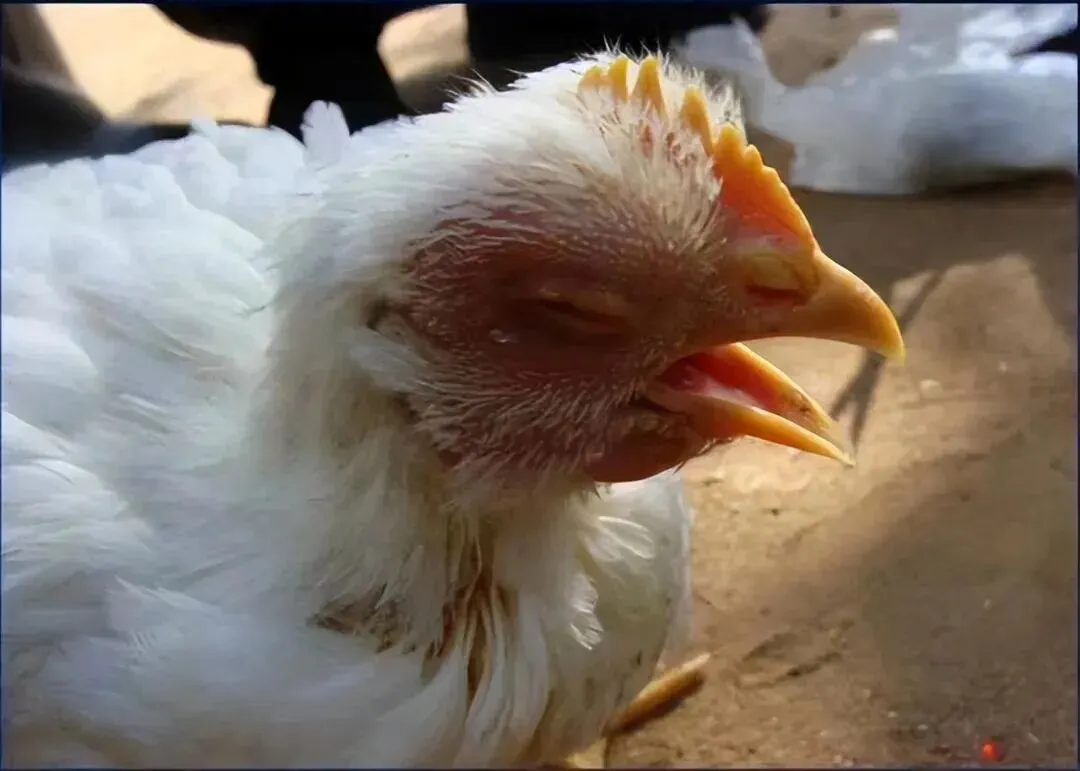
Prodromal or early signs often emerge about 2–4 days post-exposure. A few birds begin to sneeze or cough; nasal and ocular discharge appears; eyes may be watery or partly closed (conjunctivitis). Infected chicks may “huddle” under heat lamps from mild lethargy. Feed intake and weight gain dip slightly, though hens might still lay eggs. Physiologically, viruses are replicating in tracheal mucosa and possibly entering sinuses. Risk factors like sudden temperature swings, poor litter quality, and co-infection (e.g. Mycoplasma or E. coli) can worsen signs at this stage. Diagnostic clues include detecting tracheal rales (rattling breath sounds) on auscultation, or early dead birds (rare). Immediate on-farm steps: isolate any birds showing clear symptoms to reduce spread. Improve environmental conditions – boost ventilation to cut ammonia levels and ensure fresh, clean water. Increase the dosage of Vitboo Electrolyte solution to compensate for any fledgling fever or dehydration. Introduce Vitboo ImmuneBoost supplements (rich in vitamins A, D, E, C, and trace minerals) to support the mucosal immune response in lungs and sinuses. These products (assumed to contain electrolytes, antioxidants and immune modulators) can mitigate stress and hasten recovery, as poultry experts note electrolytes and vitamins improve resilience during outbreaks. Record detailed observations (cough frequency, discharge type) and consider field testing (PCR swabs) if signs escalate.
By Stage 3, the infection is fully systemic. Chickens exhibit moderate to severe respiratory distress: open-mouth breathing, gasping, sneezing fits, and thick nasal or sinus exudate (often caseous or blood-tinged if secondary bacteria are present). Coughing and audible rales become common. Affected birds stand with eyes closed, have ruffled feathers, and may show white plaques on the tracheal mucosa (visible at necropsy). Egg layers suffer a sharp production drop and lay misshapen or thin-shelled eggs. Morbidity (percent of flock ill) is often near 100% for contagious viruses like IBV. Mortality can climb if left unchecked (especially with concurrent E. coli or Mycoplasma). Key risk factors here include environmental stress (high heat/humidity in Southeast Asia/Middle East), mixed-age flocks, and vaccine mismatch (wrong strain).
Immediate interventions at Stage 3 are urgent. Initiate broad-spectrum antibiotics only if directed by a veterinarian to control likely secondary infections (airsacculitis, pneumonia). Provide enhanced ventilation and litter management to reduce ammonia and dust. Boost supportive care: continue Vitboo Electrolyte and vitamin supplements in drinking water (these aid fluid balance and energy). Add Vitboo ProActive feed additive (a probiotic/prebiotic formulation) to bolster gut health – robust gut microbiota have been shown to enhance overall immunity against respiratory pathogens. For example, probiotics increase beneficial microbes that inhibit harmful bacteria, and yeast-derived β-glucans in additives can modulate immune responses. Cut stressors: reduce handling, avoid temperature extremes, and ensure easy access to feed and water. Continue isolating sick birds in clean, warm pens. At this stage, consider diagnostic sampling to confirm the pathogen (PCR for IBV/NDV/AI, cultures for bacteria). Key decision point: if severe distress or neurological signs arise, call the vet immediately. Vitboo’s immune support formula (high in vitamins A and E) helps shorten the illness and limit tissue damage.
Stage 2 – Prodromal (Early Mild) Signs (Day 3–5)
Stage 3 – Acute Clinical Illness (Day 5–10)
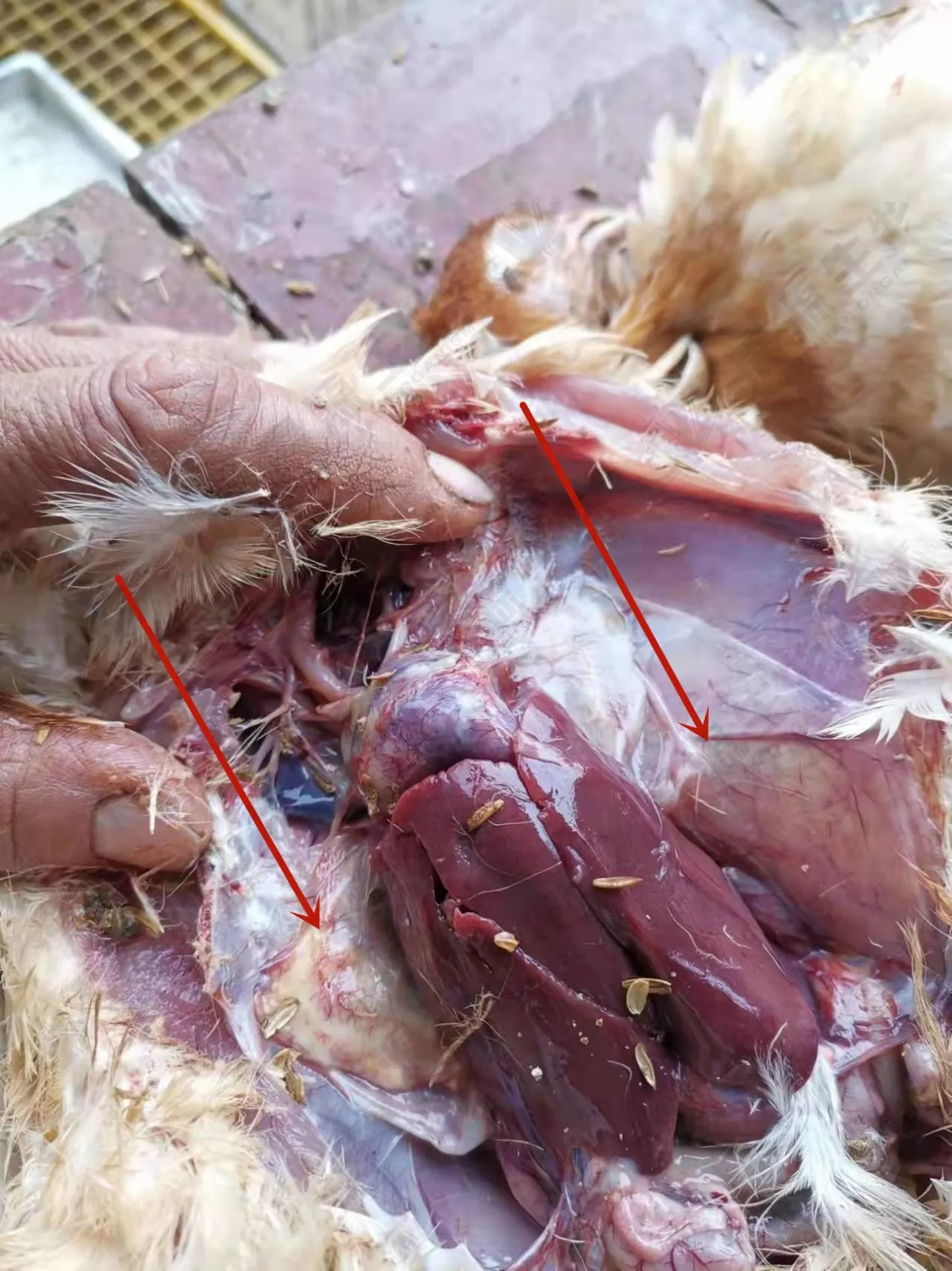
Stage 4 marks the peak of the outbreak. Multiple houses or flocks may now show widespread illness. Respiratory signs are severe: open-mouthed breathing, cyanotic combs (blueish discoloration from low oxygen), and bloody mucus in the trachea (a hallmark of Infectious Laryngotracheitis or ND). Mortality can spike dramatically (up to 60% in complicated IBV or virulent NDV outbreaks). Birds are extremely depressed; survivors may collapse at feeders. Pathophysiologically, the virus is damaging respiratory epithelium and immune systems are overwhelmed. Airsacculitis (inflammation of air sacs) and pericarditis (heart) may appear on necropsy, indicating E. coli or fungal co-infection.
On-farm actions: emergency culling or segregation of heavily affected groups may be needed to save the rest of the flock. Maximize treatment support: continue aggressive electrolyte/vitamin therapy in water. Administer Vitboo ImmuneMax (an assumed high-potency supplement with antioxidants and minerals) to strengthen surviving birds’ defenses. Ensure optimal house conditions – for example, run foggers to cool houses in Brazil or India (combating heat stress) and sprinkle water to reduce ammonia. If vaccination is appropriate and available (for NDV or IBV), vaccinate the unaffected flocks immediately under veterinary guidance. Strict biosecurity is critical now: footbaths, disinfect all equipment between houses, and stop all bird movement. Analyze feed and water lines for contamination. Stage 4 is high-alert: a veterinary emergency call should be placed when respiratory distress is this grave. Throughout Stage 4, Vitboo supplements act to maintain hydration and appetite in survivors – even a slightly nourished bird has a far better chance of recovery (better weight gain means stronger lungs and immunity later).
By Stage 5, the primary wave subsides but secondary infections and complications emerge. Dead birds often reveal airsacculitis, perihepatitis, or eye infections. In layer flocks, “cobblestone” tracheas or swollen sinuses (Infectious Coryza) may be diagnosed. Chickens that survived Stage 4 often have chronic respiratory symptoms: persistent cough, gasping at rest, or exercise intolerance. Egg production in layers remains depressed; some never fully recover (“false layers” with cystic oviducts). In broilers, poor feed conversion and stunted growth are common outcomes of prolonged disease.
Interventions focus on recovery and preventing recurrence. Continue aggressive treatment of identified co-pathogens (culture-driven antibiotics for E. coli, Mycoplasma, etc.). Maintain perfect house hygiene: deep clean and disinfect after partial depopulation. Restore litter to dry and fluffy condition to discourage fungal growth (Aspergillosis risk). Critically, Vitboo Poultry Revive feed additive is introduced at higher rates: its prebiotic/probiotic blend helps re-establish gut flora damaged by antibiotics and stress. Recovering birds can benefit from feed with extra vitamins (e.g. A & D for mucosal healing) and minerals (like zinc for repair). We assume Vitboo products include herbal extracts or compounds known to reduce inflammation and support lung tissue. For example, vitamin A is known to promote mucosal immunity in the respiratory tract. Provide clean water with lower-level electrolyte/vitamin boosts to encourage drinking. Monitor remaining birds for growth and egg metrics. At the end of Stage 5, perform necropsies on any chronic cases to identify lingering lesions. Long-term planning should begin: work with a vet/nutritionist to adjust vaccination schedules (consider adding or changing an IBV or NDV vaccine strain).
Stage 6 is the convalescence period. The flock gradually stabilizes, but lasting effects may linger. Growers may take an extra week or more to reach market weight. Layer flocks might see only partial rebound in egg count for some months. Production losses translate to economic impact (fewer eggs or smaller broilers). This stage is less about crisis intervention and more about rehabilitation. Past-risk flocks should be rested or moved to clean houses. Vaccination should be reviewed: e.g., some farms may apply a booster NDV/IBV shot at this point.
Vitboo’s role here is to aid full recovery. A stage-specific nutrition program is applied: high-energy feed, combined with Vitboo MegaBlend (our hypothetical name for a comprehensive recovery tonic). This supplement delivers vitamins, electrolytes, and trace minerals gradually in feed or water to rebuild body condition. For example, extra vitamin E and selenium can help repair oxidative damage from the infection. If birds lost weight, gradually phase in higher-protein ration and continue gut health support (once medications cease, probiotics help restore balance). For layers, ensure calcium reserves are replenished and avoid any further stress.
Some chronic issues may require culling (e.g., irreversibly impacted pullets). Importantly, the flock’s immune memory will be stronger: survivors and layers will have antibodies against the outbreak pathogen, which can protect against immediate re-infection. Update farm records and lessons learned (e.g. where biosecurity broke). Schedule a veterinary audit if available, especially in USA or Australia where avian influenza monitoring is strict. At this point, Vitboo’s prevention products can be reintroduced into normal feeds: a maintenance dose of our feed additive keeps gut/immune systems primed against future challenges, embodying “healthy flock, strong immunity”.
Stage 4 – Severe/Peak Disease (Day 10–15)
Stage 5 – Complications and Secondary Infections (Weeks 2–3)
Stage 6 – Recovery, Rehabilitation and Aftermath (Weeks 4–6+)
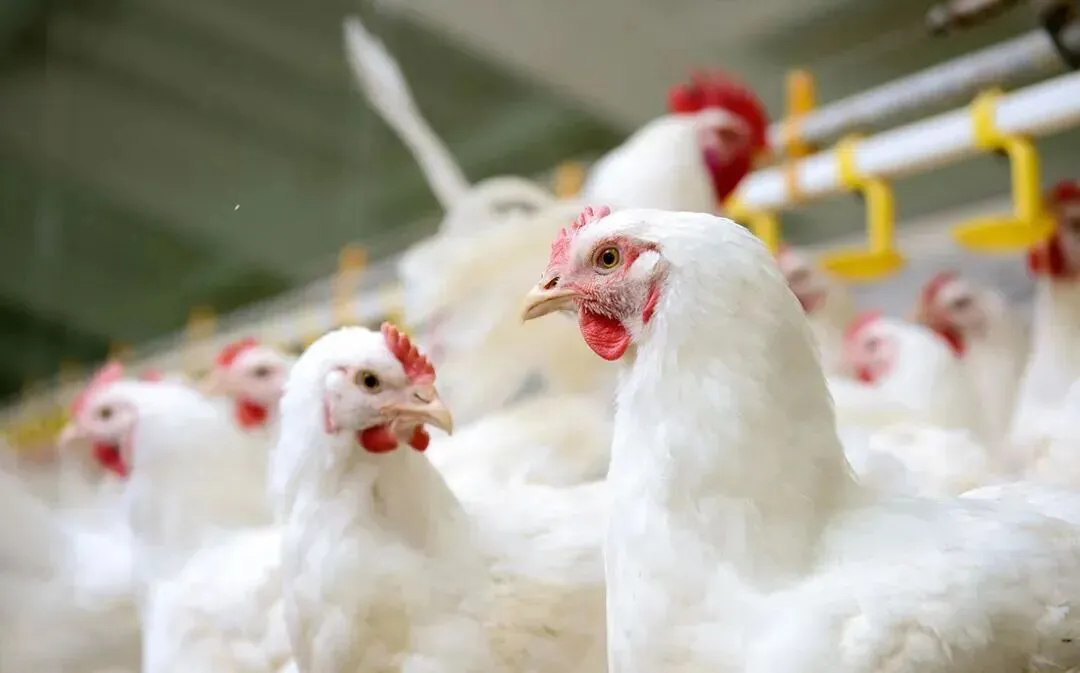
While understanding the six stages is vital, preventing the initial exposure is paramount. Industry guidelines stress that a combination of good ventilation, stocking density control, strict biosecurity, and vaccination forms the first line of defense. Maintain ammonia levels below 20 ppm and ensure constant air flow to keep respiratory tracts clean. Implement firm entry barriers: footbaths, dedicated clothing, and quarantining of new birds (2–3 weeks). Clean and disinfect houses between flocks. Pay special attention in hot climates: in the Middle East and India, extreme heat can co-trigger respiratory distress, so use cooling pads or foggers and Vitboo electrolytes year-round. Use high-quality feed and water (clean tanks, chlorination) to prevent opportunistic infections.
Vaccinate appropriate to your region (e.g. Newcastle and IBV vaccines are critical). In Brazil and North America, strong national programs exist for ND and AI; in Africa and Asia, endemic NDV or avian influenza strains necessitate region-specific vaccination schedules. Throughout the grow-out, keep detailed health records: daily track mortality, cough frequency, feed/water uptake – early deviations can signal Stage 2. Finally, integration of Vitboo products in regular management acts as “insurance.” For instance, a probiotic feed additive will keep gut flora balanced, which research shows helps defend against respiratory pathogens. Similarly, offering Vitboo Electrolyte before transport or heat waves prevents metabolic acidosis and stress. In Southeast Asia, where avian influenza is endemic, farmers are urged to surround biosecurity with health-enhancing products – Vitboo’s line can complement vaccines and hygiene to build flock resilience.
A streamlined decision tree helps farmers apply this guide effectively. Day 0–2: Immediately upon suspecting any spread, isolate sentinel birds and start Vitboo prophylactics. Day 3–5: If multiple birds show sneezing/coughing, escalate to Stage 3 care (diagnostics, vet consult). Peak watch: If mortality suddenly jumps or signs like gasping and neurological symptoms appear (Stage 4 alert), stop and call the vet at once; involve authorities if ND or avian influenza is suspected. Always continue basic supportive actions (food, water, warmth) while seeking guidance. After the worst has passed (Stage 5), maintain enriched nutrition and monitoring to return flocks to full health. Key decision points are clearly framed by symptoms severity and response to treatment; for example, if birds respond poorly to Vitboo supplements and usual care, immediate veterinary intervention is indicated.
Prevention and Biosecurity
Six-Stage Comparison Table
Stage
Key Signs/Symptoms
On-Farm Actions
Vitboo Product Support
1. Exposure/Incubation
No obvious signs; mild lethargy, reduced appetite. Pathogen replicating.
Strict biosecurity; initiate increased Vitboo feed additive in diet; ensure clean water; monitor daily intake/mortality.
ProActive Feed Additive – supports gut health and early immunity; Electrolyte Solution – priming hydration.
2. Prodromal (Mild)
Sneezing, watery eyes, mild cough, slight fever; reduced feeding.
Isolate any affected birds; improve ventilation; clean litter; provide Vitboo Electrolyte + Vitamins in water; call vet if spreading.
HydraLyte Electrolytes – combats dehydration; Immune Boost (vitamins A/D/E/C) – supports mucosal immunity.
3. Acute Respiratory
Moderate-severe coughing, nasal discharge, rales; egg production drop.
Vet diagnosis (PCR, cultures); supportive care with antibiotics for 2° infections; continue high-quality feed and water access.
ImmuneMax – high-strength antioxidant/vitamin supplement; ProActive Feed Additive continues to maintain gut integrity under stress.
4. Peak Disease
Open-mouth breathing, cyanosis, high mortality; possible neuro signs (ND); airsacculitis on necropsy.
Segregate/cull heavy losses; isolate outbreak houses; ramp up ventilation; notify authorities for notifiable diseases; aggressive support fluids.
ImmuneMax at higher dose; HydraLyte in water for surviving flock; ProActive to maximize recovery.
5. Complications
Secondary pneumonia, sinusitis; chronic cough in survivors; persistent production loss (e.g. “false layers”).
Treat co-infections (vet-prescribed antibiotics); deep-clean environment; provide high-protein diet; restore flock to new house if needed.
Recovery Blend – nutrition recovery additive; continued ImmuneMax/ProActive to rebuild health.
6. Recovery/Aftermath
Flock stabilizes; slow weight gain; reduced egg yield for weeks; some birds never fully recover.
Final rehabilitation: balanced diet, rest flocks; plan next vaccination round; cull chronically weak birds.
Maintenance Additive – ongoing immune and gut support for regained productivity; occasional electrolytes for stress events.
Implementation Workflow and Decision Points
Understanding Bovine Stress Syndrome in Cattle Herds
2026-09-22Cattle and Sheep Eat but Fail to Grow? Watch for the Hidden Damage Caused by Mycotoxins
2026-09-08How to help laying hens survive the summer heat?
2026-07-23Mycoplasma Synoviae Outbreaks Surge: New Symptoms Emerge in African Poultry Farms
2026-07-07Summer Mosquito Infestation in Africa: Alert for Swine Japanese Encephalitis Outbreaks
2026-07-01Sores on your sheep's mouth? Watch out for Contagious Pustular Dermatitis.
2026-04-13Why Does the Mold Problem in Poultry Farms Worsen Despite Prevention Efforts?
2026-04-08Do you truly understand the dangers of necrotic enteritis in poultry?
2026-01-14The most common bacterial disease in poultry—E. coli infection
2026-01-06What is Newcastle disease (ND) and How to Prevent and Treat of New Castle (ND)?
2024-12-17Phone:+86 135 9888 1411
Tel:+86-0371-88959050
Email:sales@vitboo.com
Address:Zhengzhou City, Henan Province, China