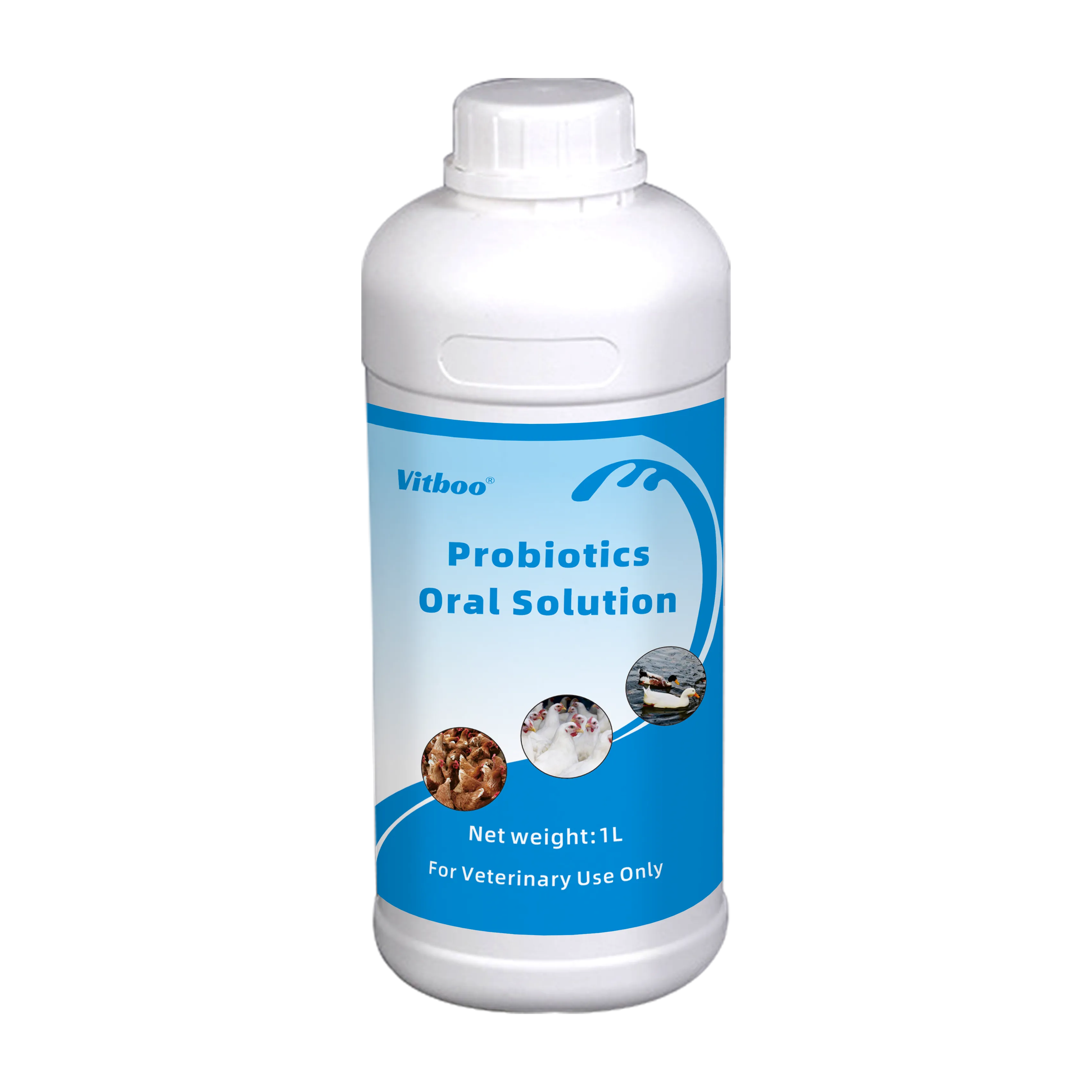
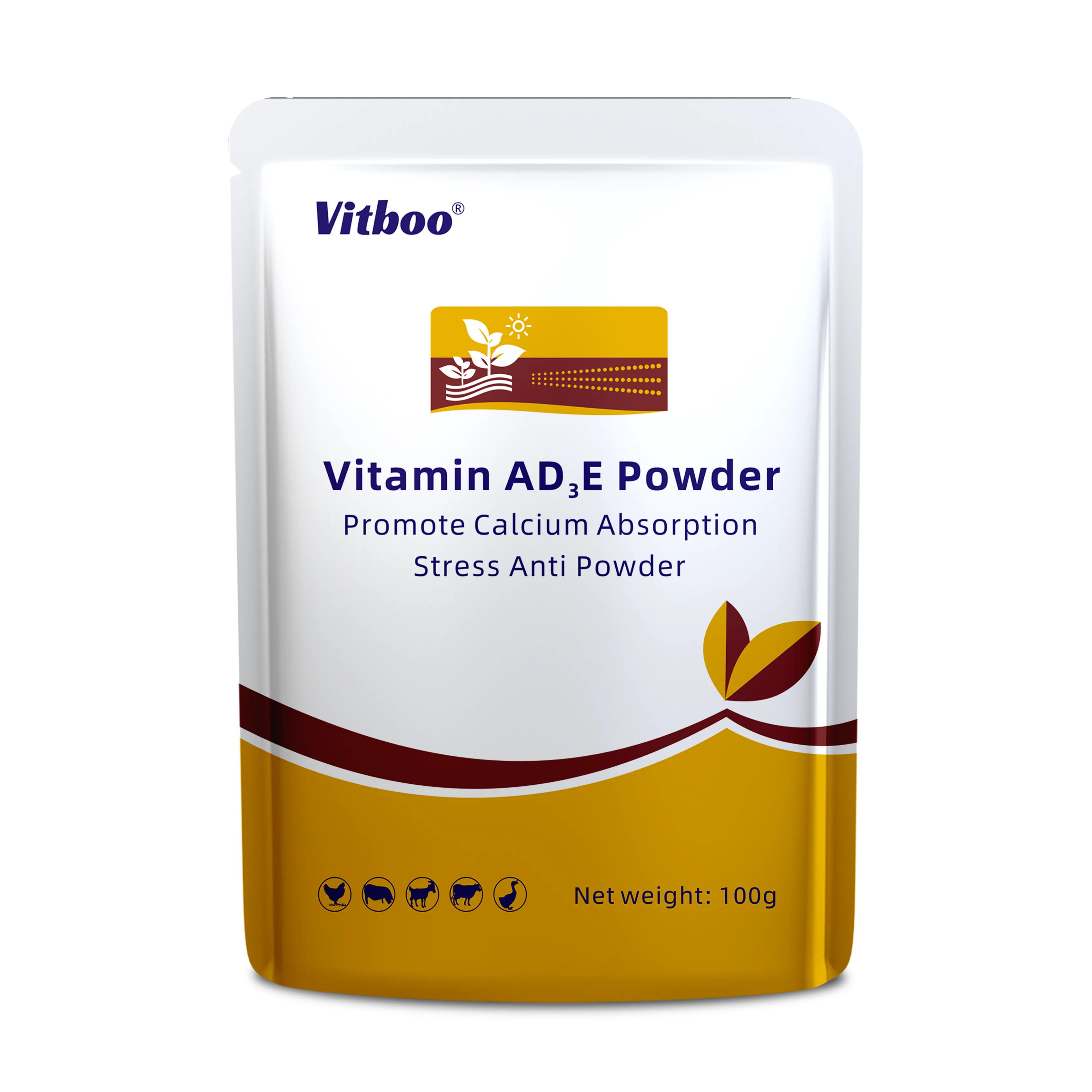
Autumn and Winter Poultry Coughing and Wheezing: Why Environmental Control Comes First — and How Vitboo Anti Cough Oral Solution Supports the Flock
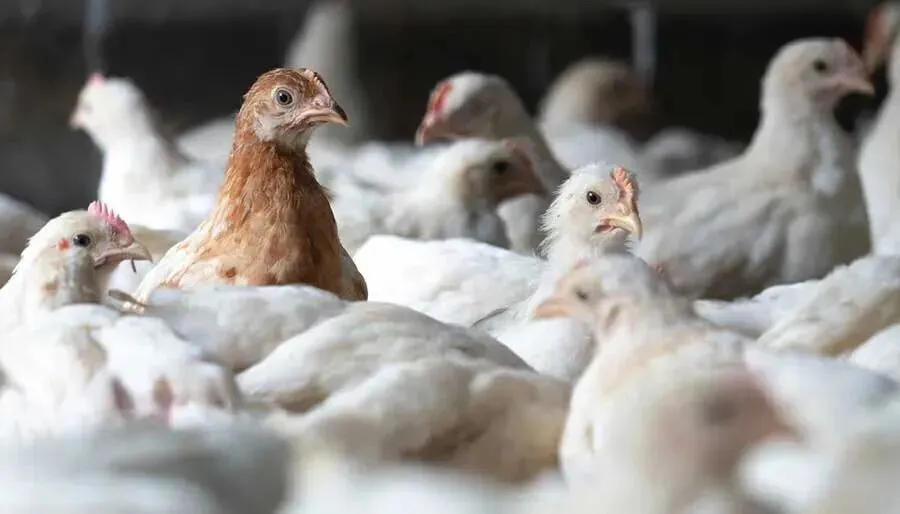
Every autumn and winter, the same sound returns to poultry farms: sneezing, coughing, and the rattling breaths of a flock in trouble. To keep the house warm, producers close the vents — and air quality, bird defenses, and productivity all fall together. Respiratory disease follows within days. In poultry farming, the first line of defense is not the medicine bottle but the environment: temperature, air, moisture, litter, and biosecurity. This article explains why environmental control comes first in poultry respiratory disease prevention, and how Vitboo Anti Cough Oral Solution supports the respiratory tract when the flock needs extra help.
Why Autumn and Winter Are the High-Risk Season for Poultry Respiratory Disease
Poultry respiratory disease follows a predictable seasonal curve. In winter and early spring — when the climate turns cold, damp, and changeable — flocks enter what Chinese veterinary authorities call a respiratory syndrome season: difficulty breathing, coughing, sneezing, increased eye and nose discharge, falling egg production, and rising chick mortality [4].
Three forces combine. First, cold stress in poultry: sudden temperature swings damage the respiratory mucosal barrier and lower local immunity, opening the door to infection [4]. Second, the closed house: to save heat, ventilation is cut, so ammonia, humidity, dust, and pathogens build up in the air birds breathe around the clock. Dust from litter and feed carries pathogens deep into the airways, and high humidity keeps moisture and harmful gases trapped in the house. Third, the night problem — when outside temperatures drop, air exchange falls to its lowest level while ammonia and pathogen concentrations peak; repeated nights like this are often all it takes for a respiratory disease to take hold [7].
The pathogens are familiar to every poultry farmer: mycoplasma, the cause of chronic respiratory disease, along with infectious bronchitis, infectious laryngotracheitis, Newcastle disease, avian influenza, and colibacillosis [1].
Environmental Control Comes First: Five Levers That Decide Flock Health
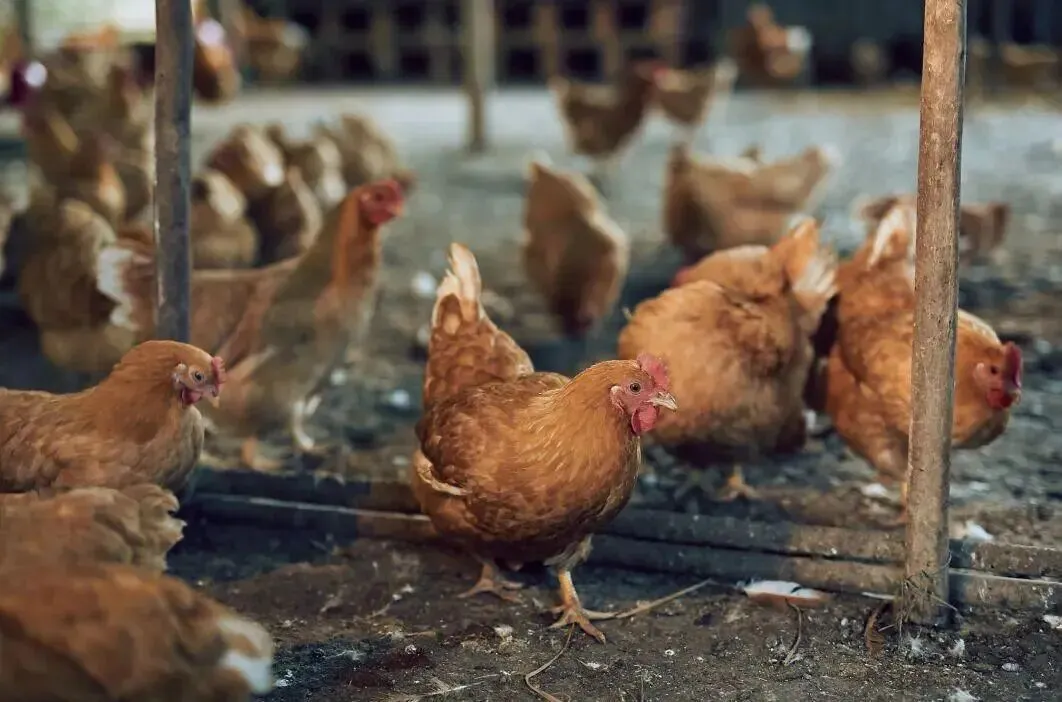
Environmental control means managing the house climate so the bird's own defenses stay intact. In most outbreaks, an unfavorable environment weakens the respiratory tract first — only then do bacteria or viruses move in [8]. Five levers matter most in autumn and winter:
-
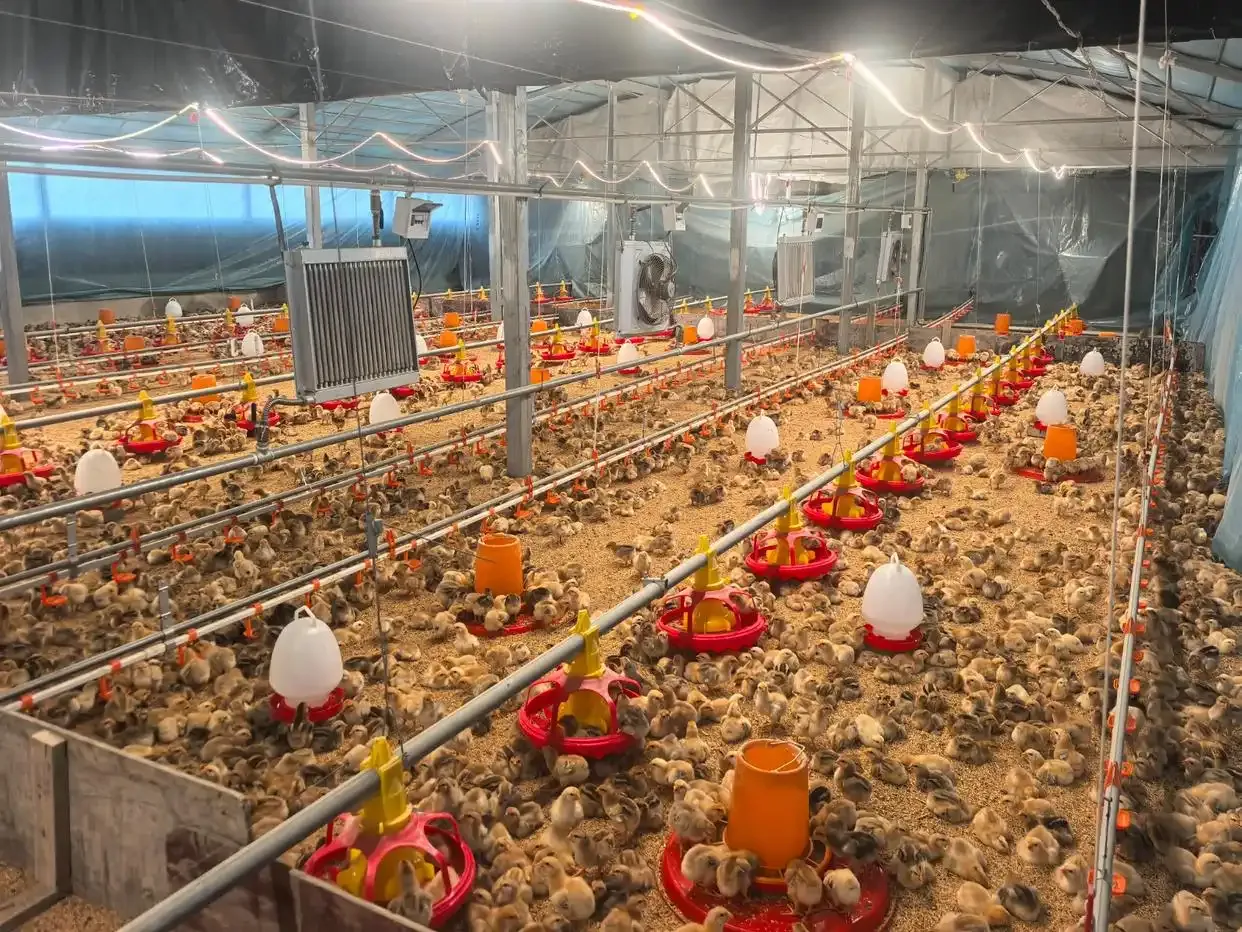
Poultry house ventilation and air quality. Ammonia in poultry houses above 30 ppm damages the cilia that sweep pathogens out of the trachea, making birds susceptible to bacterial and viral respiratory disease; above 60 ppm it can damage the eyes [5]. Ventilate for air quality even in cold weather, using intermittent or minimum ventilation coordinated with heating [1]. As birds grow and winter deepens, raise minimum ventilation step by step, and place air inlets so cold air never falls directly onto the flock.
-
Stable temperature. Keep the day–night difference within 3–4°C and avoid cold drafts [4]. Chronic cold stress and ammonia exposure together reduce antioxidant capacity, disrupt immune homeostasis, and alter reproductive hormones in laying hens [6].
-
Balanced humidity. Winter heating dries the air, and an over-dry house dries the respiratory mucosa; wet litter, by contrast, breeds mold and bacteria. Check humidity and adjust ventilation [1][4].
-
Clean litter and sensible density. Remove manure regularly, keep bedding dry, and avoid overcrowding — high density raises heat, harmful gases, and contact between sick and healthy birds [4][8].
-
Biosecurity and early detection. Isolate any bird that coughs or sneezes, disinfect between batches, and act at the first sign. A quiet house today is easier to protect than a coughing house tomorrow.
Get these five levers right and most flocks stay healthy through the worst weeks of the year. That is why poultry professionals say: 环控为先 — environmental control comes first.
Why Environment Alone Is Not Enough
Even in a well-managed house, risk windows remain. Sudden weather reversals, vaccination reactions, mixed infections, and silent mycoplasma carriers can push a flock over the edge within hours. When the mucosal barrier is stressed, secretions thicken — and in poultry, thick mucus is where trouble begins. It clogs the trachea and bronchi, blocks airflow, and lets bacteria multiply in the lungs. When ammonia and humidity stay high overnight, the mucosa never fully recovers — and a mild challenge turns into a flock-wide outbreak.
That is when targeted respiratory support earns its place: keep the airway clear and lung function strong while the bird's immune system works. In an era of antibiotic reduction, producers increasingly choose natural support that works alongside good management — exactly the role natural poultry health supplements such as Vitboo Anti Cough Oral Solution are designed to play.
Meet Vitboo Anti Cough Oral Solution: Respiratory Support Built on Herbal Science
Vitboo is a comprehensive high-tech enterprise based in Zhengzhou, China, with more than 20 years of experience in animal health products and international trade. Its facilities hold GMP and ISO certification, with 6 GMP-certified workshops and 18 production lines, and its products reach more than 100 countries and regions [2][3]. Vitboo promotes antibiotic-free and bio-nutrition solutions for modern livestock production [3].
Vitboo Anti Cough Oral Solution is a pure Chinese medicine preparation — green, safe, and residue-free [1]. It is developed for the prevention and treatment of bronchial blockage (tracheal and bronchial embolism), airsacculitis, and the high-mortality respiratory disease caused by avian influenza, Newcastle disease, infectious bronchitis, infectious laryngotracheitis, and mycoplasma infections [1].
In practice, it supports the flock in three ways:
-
Quickly relieves respiratory symptoms and prevents death caused by poor respiration [1];
-
Improves lung function, enhances lung capacity, and strengthens the lung function barrier [1];
-
Helps clear the white or yellowish secretions that plug the trachea and bronchi — the classic picture of respiratory syndrome in poultry, seen as neck stretching, open-mouth breathing, and strange cries [1].
From First Cough to a Quiet House: What Farmers Observe
-
Within 12 hours, respiratory symptoms are visibly relieved [1];
-
Within 24 hours, mortality caused by bronchial blockage is brought under control [1];
-
Within 3 days, the bronchial blockage is resolved and the house returns to quiet [1].
For bronchial blockage of unknown cause, the product can be combined with antipyretic drugs [1]. Because it is a pure herbal preparation, it fits naturally into antibiotic-reduction programs and adds no residue concerns — an advantage in export markets and in premium egg and poultry meat programs.
The result is not just fewer deaths: birds breathe easier, eat better, and return to normal performance faster. Producers who start the product early also report fewer relapses and shorter treatment courses through the season.
-
Dosage: 250 ml per 200 L of drinking water, once daily for 3 consecutive days [1];
-
Start at the first sign of sneezing, coughing, or head shaking — early use shortens the course [1];
-
Use preventively during seasonal transitions when a sharp temperature drop is forecast;
-
Shelf life: 2 years; store sealed in a ventilated, dry place, protected from sunlight [1];
-
Always confirm the diagnosis with your veterinarian, who can decide whether to combine the product with other treatments [1].
An Autumn–Winter Environmental Checklist for Poultry Houses
Environmental control works best when it becomes a daily habit, reviewed every morning with the first house check. Run through this checklist through the cold months:
-
Ventilate for air quality even when it is cold; coordinate ventilation with heating to avoid drafts [1];
-
Keep day–night temperature swings within 3–4°C [4];
-
Monitor ammonia — if your eyes water or the birds gasp, increase air exchange [5];
-
Keep litter dry and remove manure regularly; reduce stocking density if needed [4];
-
Avoid over-drying the house with heating — keep humidity balanced [1];
-
Isolate coughing or sneezing birds immediately and disinfect between groups;
-
Provide clean water and balanced feed, and add respiratory support during risk windows [1].
Frequently Asked Questions
Q: Why do chickens cough more in autumn and winter?
A: Ventilation falls while ammonia, humidity, and pathogens rise, and cold stress in poultry weakens the respiratory mucosa. Repeated nights of poor air quality are often enough for poultry respiratory disease to take hold [4][5][7].
Q: What does environmental control mean for poultry farmers?
A: Managing ventilation, temperature, humidity, litter, and stocking density so the birds' respiratory defenses stay intact — the foundation of poultry respiratory disease prevention [4][8].
Q: At what ammonia level does air quality hurt chickens?
A: Ammonia above 30 ppm damages the tracheal cilia and raises susceptibility to respiratory disease; above 60 ppm it can affect the eyes [5].
Q: Can Vitboo Anti Cough Oral Solution be combined with other products?
A: Yes. For bronchial blockage of unknown cause it can be combined with antipyretic drugs; always follow your veterinarian's advice [1].
Q: Is Anti Cough Oral Solution a pure herbal product?
A: Yes. It is a pure Chinese medicine preparation — green, safe, and residue-free, suited to antibiotic-reduction programs [1].
Conclusion: Manage the House, Support the Bird
Poultry respiratory disease in autumn and winter is predictable — and preventable. Environmental control comes first: ventilate for air quality, keep temperatures stable, manage moisture and litter, and act at the first cough.
When the flock needs more, Vitboo Anti Cough Oral Solution provides fast, residue-free respiratory support — relieving symptoms, controlling mortality from bronchial blockage, and restoring lung function within days. Contact Vitboo today for pricing, technical support, and OEM/ODM cooperation. Vitboo — natural poultry health, built on herbal science.
References