News
· Focus on Animal Health Care Product for Over 20 Years.
+86 135 9888 1411
sales@vitboo.com info@vitboo.com

Necrotic enteritis is an acute bacterial disease of poultry caused by *Clostridium perfringens* type A or C and its toxins. Also known as enterotoxemia or gangrenous enteritis, it is characterized by the passage of black or bloody feces, and edema and necrosis of the intestinal mucosa.
1.Clinical Symptoms
1)Chickens with acute disease are depressed, with eyes half-closed or closed, reduced feed and water intake, and excrete reddish-brown or dark-brown tarry feces, or feces mixed with sloughed intestinal mucosal tissue.
2)Chickens with chronic diseases have stunted growth, produce grayish-white loose feces, and eventually die of exhaustion.
3) The resistant chickens were underdeveloped and the area around their anus was contaminated with feces.
2.Pathological Changes
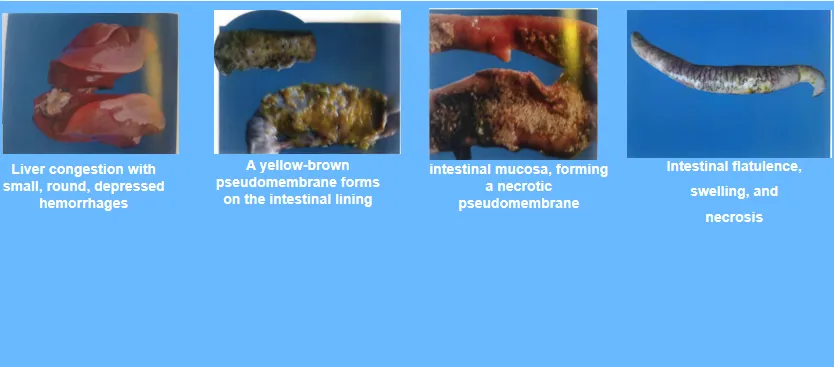
1)Sudden death (especially in fast-growing broilers)。
2)Depression, decreased appetite, ruffled feathers, and diarrhea (yellow-green or bloody stools).
Growth retardation and weight loss.
3)The small intestine (especially the jejunum and ileum) may experience thinning, gas formation, bleeding, or necrosis of the intestinal wall.
4)The intestinal mucosa may be sloughed, with fibrinous pseudomembranes or ulcers.
5)The intestinal contents may appear brown, frothy, or bloody.
Core prevention and Control Measures
Feed Management: Low-protein diets: Control crude protein levels (≤20% for chicks, ≤16% for mature chickens) to reduce undigested protein fermentation.
Enzyme Supplementation: Add xylanase (100-200 g/ton) and protease to reduce intestinal viscosity.
Spoiled Ingredients: Avoid using moldy corn (aflatoxin B1 <20 ppb).
Pathogen Control: Clostridium inhibition: Add Bacillus subtilis (1×10⁹ CFU/kg) or Clostridium butyricum (300 g/ton) to the feed.
Periodic Medication: Add bacitracin zinc (50 g/ton) or enramycin (10 g/ton) during the susceptible period (14-28 days of age).
Environment and Biosafety
Litter Management: Keep litter thickness ≤ 5 cm, turn it weekly, and maintain humidity between 25-35%.
After slaughter, thoroughly clean up manure and spray the floor with 3% sodium hydroxide solution.
Water Hygiene: Flush water lines weekly with potassium persulfate (1:200) to prevent biofilm formation
Immunization and Monitoring
Chicken Respiratory Infections Progress in Six Stages: Understand Disease Course and Implement Early Control
2026-10-09Understanding Bovine Stress Syndrome in Cattle Herds
2026-09-22Cattle and Sheep Eat but Fail to Grow? Watch for the Hidden Damage Caused by Mycotoxins
2026-09-08How to help laying hens survive the summer heat?
2026-07-23Mycoplasma Synoviae Outbreaks Surge: New Symptoms Emerge in African Poultry Farms
2026-07-07Summer Mosquito Infestation in Africa: Alert for Swine Japanese Encephalitis Outbreaks
2026-07-01Sores on your sheep's mouth? Watch out for Contagious Pustular Dermatitis.
2026-04-13Why Does the Mold Problem in Poultry Farms Worsen Despite Prevention Efforts?
2026-04-08The most common bacterial disease in poultry—E. coli infection
2026-01-06What is Newcastle disease (ND) and How to Prevent and Treat of New Castle (ND)?
2024-12-17Phone:+86 135 9888 1411
Tel:+86-0371-88959050
Email:sales@vitboo.com
Address:Zhengzhou City, Henan Province, China