Every summer, high temperature and humid rainy seasons across West Africa, East Africa, Southern Africa and Central African tropical regions trigger explosive breeding of mosquitoes, ticks and blood-sucking pests, forming a high-risk transmission environment for swine Japanese encephalitis (JE). Pig farms in major African pig-raising countries including Nigeria, Kenya, South Africa, Tanzania, Ghana and Uganda face severe seasonal JE outbreaks. As a typical mosquito-borne zoonotic viral disease, swine Japanese encephalitis spreads rapidly via rampant summer mosquito bites, causing massive reproductive failure, neurological damage and herd mortality losses for local African pig farms. Most African pastoral and intensive breeding farms focus only on barn disinfection and mosquito eradication while ignoring herd internal immune defense, leading to repeated JE recurrence and persistent breeding losses. As a professional livestock health and nutrition brand deeply rooted in the African market, Vitboo systematically analyzes the localized outbreak rules of swine JE in Africa and launches targeted prevention and intervention products to help local farms block JE transmission and stabilize summer swine herd production performance.
Severe Losses Caused By Swine Japanese Encephalitis On African Summer Pig Farms
Swine Japanese encephalitis virus infection is one of the most destructive seasonal viral diseases for African pig herds, with obvious summer epidemic characteristics closely linked to mosquito activity. Unlike temperate regions with short mosquito seasons, most African tropical areas maintain high mosquito density for 6-8 months annually, resulting in long-term persistent JE epidemic pressure. According to the 2026 African Livestock Seasonal Epidemic Report, over 72% of commercial pig farms and free-range pig herds in tropical Africa have experienced JE infection, with an average annual reproductive loss rate of 18%-25%, becoming a major hidden danger restricting the development of local pig breeding industry.
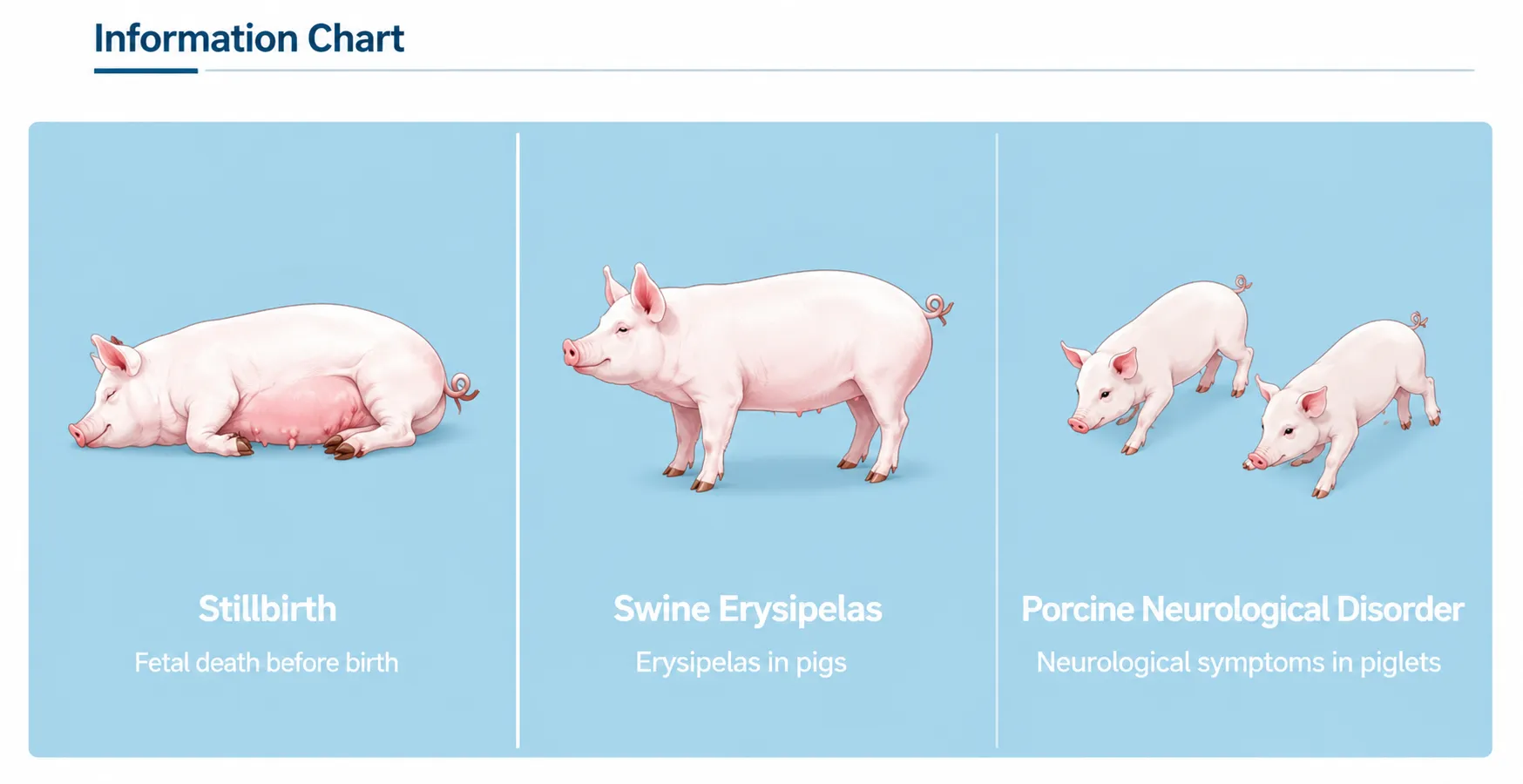
JE infection causes differentiated devastating damage to different types of pig herds, bringing multi-dimensional economic losses to African farms. For pregnant breeding sows, JE virus invades the placenta and damages fetal development, leading to sudden abortion, stillbirth, mummified fetuses and weak piglets in late gestation. Infected sows suffer from postpartum poor lactation, uterine inflammation and prolonged estrus interval, resulting in reduced annual litter size and decreased herd reproductive efficiency. Many small-scale African pig farms face batch sow abortion in summer, directly cutting off seasonal breeding income.
For adult boars, JE virus mainly induces severe testicular inflammation, testicular swelling and atrophy, resulting in decreased sperm motility, malformed sperm and permanent infertility in severe cases. A large number of infected boars lose breeding value and have to be eliminated, increasing farm herd replacement cost greatly. For nursery piglets and growing-finishing pigs, JE infection triggers typical neurological symptoms including persistent high fever over 40℃, unsteady walking, convulsions, lethargy and loss of appetite. Infected piglets have a mortality rate as high as 30%, while surviving finishing pigs suffer from stunted growth and low feed conversion efficiency, extending the fattening cycle and raising breeding costs.
Worse still, swine Japanese encephalitis is a zoonotic disease that can be transmitted to humans and other livestock via mosquito vectors, bringing public health safety risks to African pastoral families and local breeding communities. Traditional single mosquito killing and vaccine immunization methods have obvious limitations in African scenarios: vaccines have unstable antibody effects under tropical high temperature, and simple physical mosquito control cannot block viral infection pathways fundamentally, resulting in repeated JE outbreaks year after year.
Why African Pig Farms Are More Vulnerable To Summer JE Mosquito Transmission
Combined with the unique tropical climate, breeding environment and herd immunity characteristics of Africa, the Vitboo African technical team summarizes three core reasons for the high incidence of swine JE in local summer, which are unique pain points of African regional breeding:
1. Tropical Humid Climate Triggers Explosive Mosquito Breeding
Summer seasonal rainfall in African tropical regions forms a large number of stagnant water areas, which are the optimal breeding grounds for culex mosquitoes, the main transmission vector of JE virus. Continuous high temperature accelerates mosquito reproduction and viral proliferation in mosquito bodies. Mosquitoes carrying JE virus bite pigs repeatedly, forming a closed-loop transmission of "mosquito-pig-mosquito", making the whole herd exposed to persistent viral infection pressure.
2. Heat Stress Weakens Pig Herd Natural Immunity
Long-term tropical high temperature causes continuous heat stress in African pig herds, leading to increased cortisol secretion, decreased immune cell activity and suppressed antibody production. Heat-stressed pigs have significantly reduced antiviral ability. Even if vaccinated, the immune effect is weakened, and latent JE virus in the body is easily activated, inducing clinical onset and mixed secondary bacterial infections
3. Extensive Breeding Mode Leads To Unblocked Transmission Pathways
Most rural pig farms in Africa adopt free-range and semi-intensive breeding modes with simple barn facilities, poor ventilation and no effective mosquito isolation measures. Wide-range herd activities increase the chance of contact with virus-carrying mosquitoes. Meanwhile, irregular herd disinfection and unscientific feeding management further reduce the overall disease resistance of the herd, aggravating the spread of JE virus.
Defects of Traditional JE Prevention Modes For African Pig Farms
At present, African local pig farms mainly rely on three traditional methods to prevent swine JE, all of which have obvious practical application bottlenecks. Regular mosquito spraying can only reduce mosquito density temporarily, cannot eliminate virus-carrying mosquitoes fundamentally, and chemical insecticides may cause respiratory irritation to pig herds. Seasonal JE vaccination is affected by tropical high temperature and uneven farm operation standards, resulting in insufficient antibody levels and poor immune protection effect. Conventional immune-enhancing additives have single efficacy, cannot target JE viral invasion and reproductive damage, and fail to solve the problem of post-infection herd physical decline and reproductive dysfunction.
To solve the industry-wide dilemma of difficult prevention and repeated outbreaks of swine JE in African summer, Vitboo relies on years of tropical livestock viral disease prevention experience, targeting African mosquito-borne epidemic characteristics and heat stress immune defects, launching exclusive swine JE targeted prevention and immune protection products, realizing internal immune enhancement, antiviral protection and post-infection repair, fundamentally making up for the deficiencies of traditional external prevention methods.
Core Verified Efficacy of Vitboo JE Prevention Products For African Pig Herds
All Vitboo summer swine viral disease prevention products pass ECOWAS feed safety certification, adapt to African tropical high-temperature storage and feeding environment, zero hormones, zero banned ingredients, safe for pregnant sows, boars and piglets. The formula integrates antiviral activation, immune enhancement, heat stress relief and reproductive repair, with multiple targeted efficacies for swine JE epidemic scenarios:
-
Enhance herd antiviral immunity to block JE viral invasion: Rich in high-activity plant antiviral factors, microencapsulated immune polysaccharides and compound trace elements, it can significantly activate pig lymphocyte proliferation and antibody synthesis, improve the body’s recognition and clearance ability of JE virus, effectively block viral replication and infection, and reduce herd JE infection rate by more than 35% in mosquito prevalent seasons.
-
Relieve tropical heat stress and consolidate immune defense: Unique high-temperature resistant anti-stress formula reduces heat-induced cortisol surge, stabilizes herd immune function in high-temperature and high-humidity environments, avoids vaccine antibody failure caused by heat stress, and forms a stable dual immune protection of "vaccine + nutritional immunity".
-
Protect sow reproductive system and reduce JE reproductive losses: Effectively repair placental and uterine tissue damage caused by JE virus invasion, improve fetal development environment, greatly reduce sow abortion, stillbirth and weak piglet rate in summer, stabilize postpartum lactation function, and restore normal estrus and breeding cycle of infected recovered sows.
-
Eliminate neurological symptoms and reduce finishing pig mortality: For JE-infected pig herds with fever, convulsions and lethargy symptoms, the product can quickly relieve neurological damage, reduce persistent high fever and inflammatory response, improve piglet survival rate, and repair growth retardation of finishing pigs to restore normal daily weight gain.
-
Prevent secondary mixed infections: While resisting JE virus, it optimizes intestinal and respiratory immune barriers, inhibits the outbreak of secondary bacterial and viral diseases caused by low immunity, reduces farm drug use and veterinary costs, and improves the overall healthy level of summer pig herds.
-
Adapt to African diversified breeding scenarios: The powder formula is easy to mix with local feed and forage, suitable for intensive large-scale farms in South Africa and free-range scattered farms in Nigeria, Kenya and Ghana, with low dosage, low cost and no breeding burden.
Vitboo Localized African Summer Epidemic Prevention Services
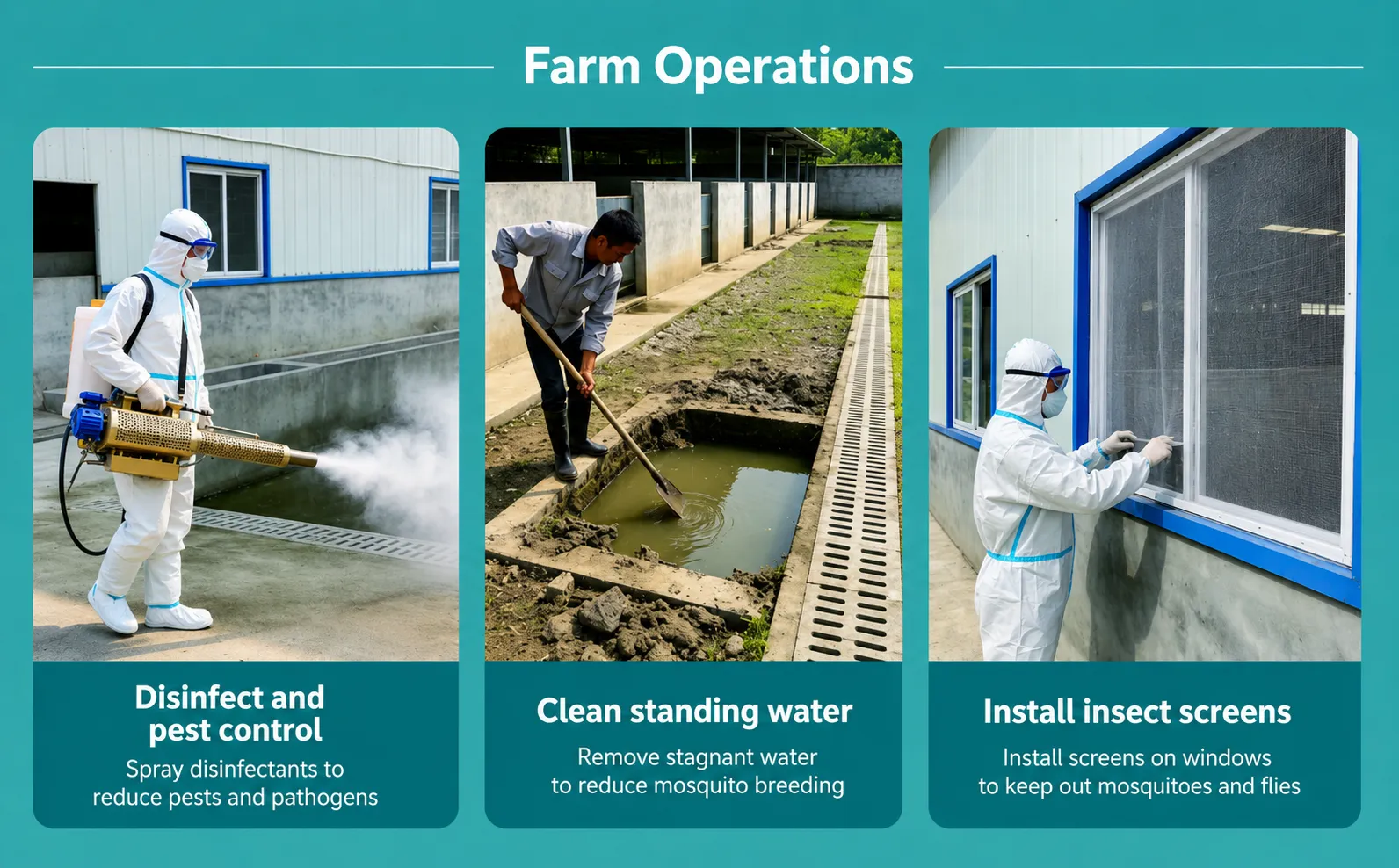
To adapt to the differentiated mosquito epidemic and breeding conditions in various African regions, Vitboo sets up technical service outlets in East Africa, West Africa and Southern Africa, providing free localized supporting services for local farmers, including seasonal JE epidemic risk assessment, targeted product dosage guidance, barn mosquito prevention and control optimization, and summer swine herd immune management plans. Simplified English and French feeding guidelines are provided to help rural farmers quickly master scientific prevention methods.
Conclusion: Nutritional Immunity Is The Core of African Summer Swine JE Prevention
Summer mosquito infestation and heat stress superposition make swine Japanese encephalitis an unavoidable seasonal epidemic risk for African pig farms. Simple external mosquito killing and vaccine immunization are far from enough to resist viral invasion. Only by fundamentally improving the herd’s internal antiviral immunity and repairing heat-induced immune defects can we completely block JE transmission and eliminate breeding losses.
As a professional livestock nutrition and epidemic prevention brand serving the African market for a long time, Vitboo will continue to optimize tropical targeted antiviral and immune-enhancing formulas, focus on solving mosquito-borne viral disease pain points for African pig herds, help local farms safely pass the high-incidence summer epidemic season, stabilize pig herd reproductive and growth performance, and empower the sustainable development of African pig breeding industry.