01. Why Skin Spots in Piglets Are Often a Kidney and Liver Signal
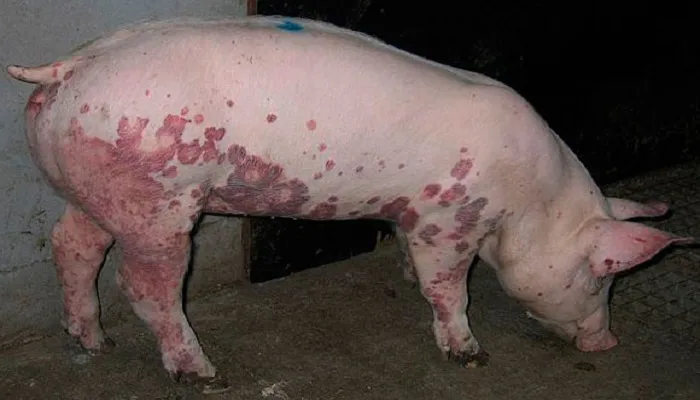
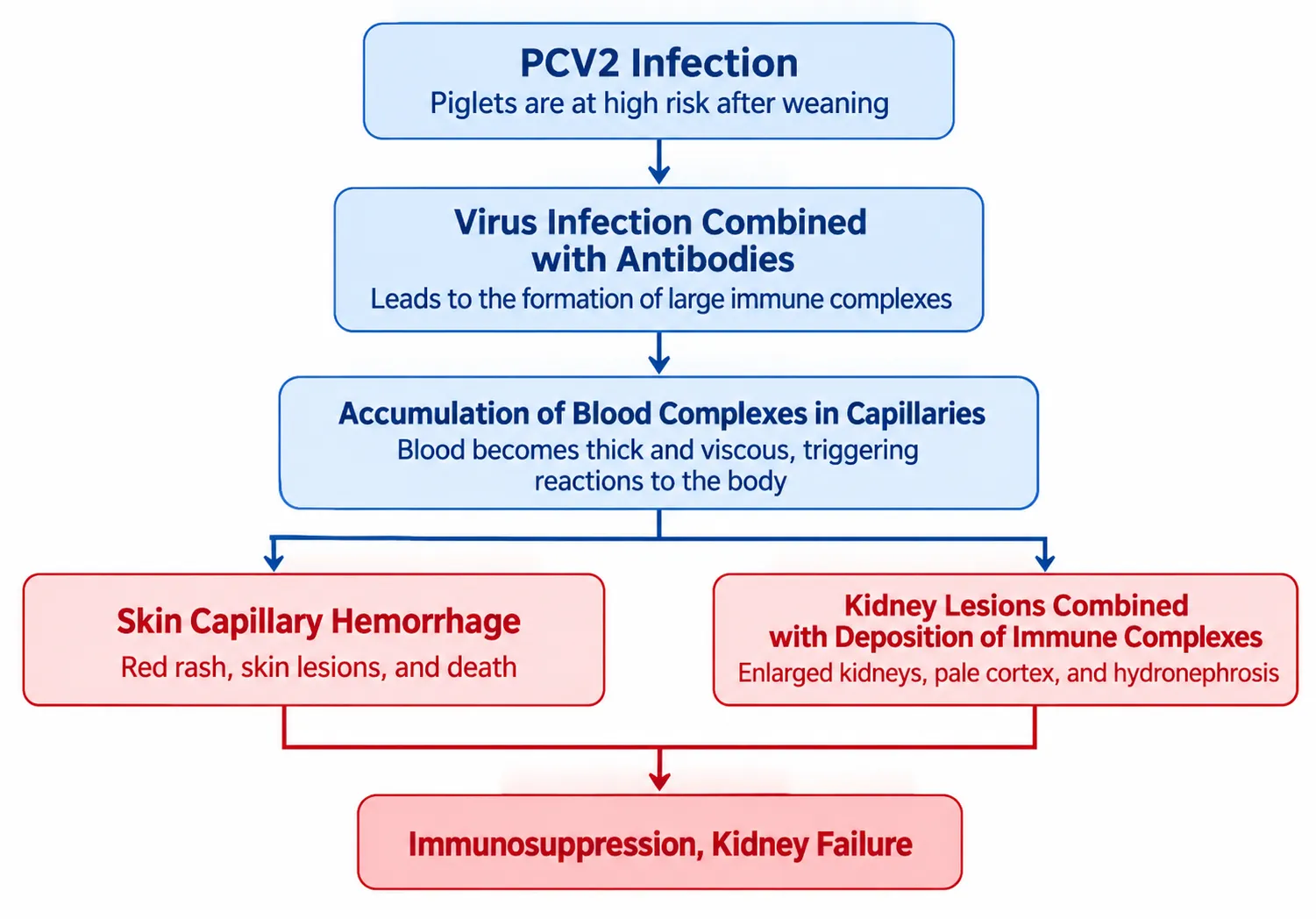
The kidneys filter waste products, excess salts and metabolic toxins from the blood, while the liver handles bile production, fat metabolism, detoxification and ammonia breakdown. When either organ is overloaded — by mycotoxins, dehydration, fever, long-term medication, diarrhea or infection — waste circulates in the bloodstream, and the first visible signs appear on the body surface: reddened or spotted skin, pale or bluish ears, rough bristles, reduced shine, belly swelling and a dull, droopy appearance.
In nursery piglets the organ systems are still immature, so the kidneys and liver tolerate a toxic or stressful load less well than in finishing pigs. A piglet that looks "only a little off" on the skin may already be losing appetite, drinking more than normal, passing loose stools, or showing enlarged, pale or mottled kidneys on inspection. Treating the skin alone, without relieving the internal organ burden, usually gives only temporary improvement, and the spots return.
This is why veterinarians and commercial farms increasingly look for piglet kidney and liver protection products rather than surface-only treatment: support renal filtration, liver metabolism and toxin clearance first, so the skin recovers as the internal environment normalizes.
02. Common Internal Causes Behind Piglet Skin Lesions and Mottling
Mycotoxins in contaminated feed
Aflatoxin, zearalenone, deoxynivalenol (vomitoxin), T-2 toxin, fumonisin and ochratoxin accumulate in moldy or improperly stored feed. These mycotoxins damage the liver and kidneys first, then appear externally as skin irritation, rough coat, poor growth, reduced feed intake and reproductive or immune disturbance. Piglets exposed through sow milk or starter feed are especially vulnerable.
Dehydration and electrolyte imbalance
Diarrhea, fever, heat stress or poor water access quickly drain fluids and electrolytes. Dehydration concentrates the blood and places heavy extra stress on the kidneys, while the skin loses elasticity and color. Pale, wrinkled or spotted skin frequently follows an electrolyte and fluid shortfall.
Infection, fever and long-term medication burden
Bacterial or viral disease, together with repeated or prolonged use of veterinary drugs, adds a detoxification workload that the liver and kidneys must clear. Drug residues and breakdown products can contribute to poor coat condition and skin discoloration when organ support is not provided alongside treatment.
Internal and external parasites
Nematodes, flukes, tapeworms and mites weaken the animal, irritate the skin and compete for nutrition, which can be mistaken for an internal metabolic problem. A regular deworming schedule should therefore be part of any skin-condition investigation, not treated in isolation.
Nutritional deficiency and oxidative stress
Deficiency of vitamins, B-complex, vitamin E, selenium and amino acids weakens immune response, tissue repair and antioxidant protection, leaving the skin and organs less resilient under stress.
03 How to Tell Whether Piglet Spots Are Kidney-Related: Early Warning Signs
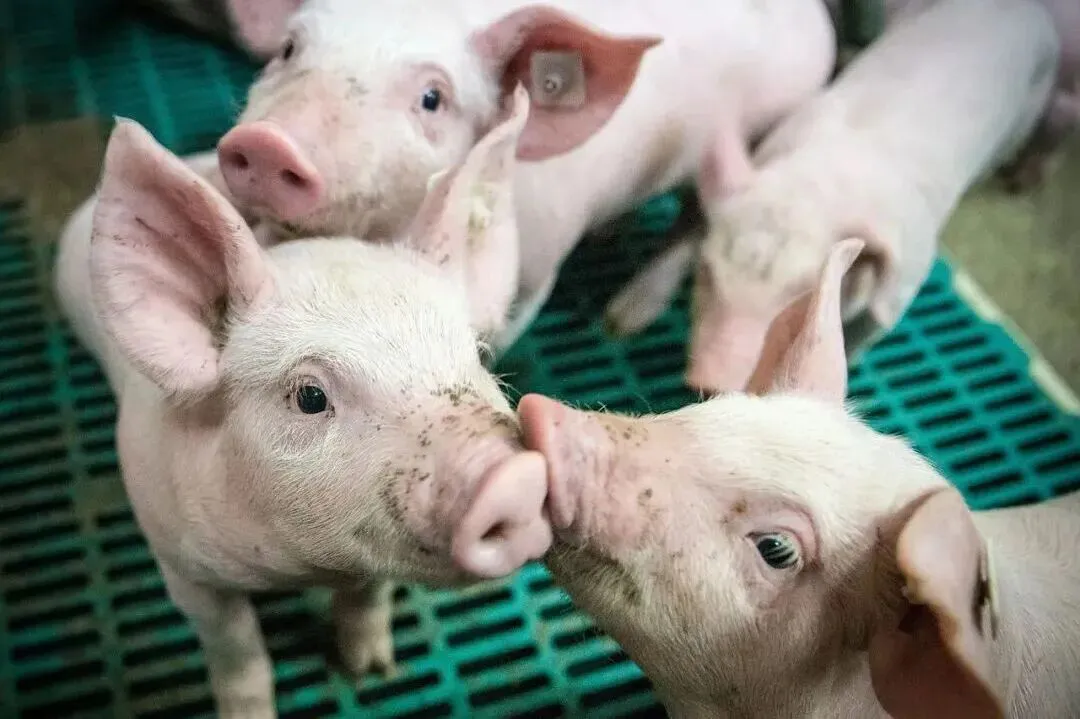
Before choosing a product, observe the whole animal rather than the skin alone. Kidney- and liver-related disturbance in piglets commonly shows several of the following signs together:
-
Red spots, patches, mottling or pale, bluish discoloration on the ears, belly, back or legs.
-
Rough, dull or brittle bristles and a coat that loses its normal shine.
-
Reduced or irregular feed intake, slower weight gain and poor body condition.
-
Increased drinking, dehydration, loose stools or pasty feces.
-
Listlessness, huddling, reduced activity and weak growth compared with pen mates.
-
On inspection, enlarged, pale, swollen or mottled kidneys, or liver enlargement, degeneration or hemorrhage.
When skin changes occur together with appetite loss, diarrhea or poor growth, the internal organs should be supported at the same time as any targeted veterinary treatment. Persistent fever, severe lesions or sudden mortality should always be checked by a veterinarian for an accurate diagnosis.
04 A Structured Vitboo Support Program for Kidney, Liver and Skin Recovery
Vitboo designs its swine health range around a clear support chain: remove toxins, protect and repair the liver and kidneys, restore fluids and nutrition, control parasites, and then rebuild growth and appetite. The following products are selected from the official
pig products line on the Vitboo website.
1. Protect and repair the liver and kidneys
For piglets showing kidney enlargement, paleness, mottled kidney urate deposition, dehydration, diarrhea, increased drinking or reduced feed intake, Vitboo's
Liver and Kidney Oral Solution is formulated to support liver and kidney function. It is designed to improve abnormal liver metabolism, enhance immunity and feed intake, and help repair damaged liver function after disease, feed mildew, hot weather, insufficient drinking water, long-term medication or excessive feed protein. It is commonly mixed into drinking water and given once daily for 3–5 consecutive days, according to the label and farm condition.
For broader liver protection and lipid metabolism support, the
Liver & Kidney Protection Solution combines sorbitol, carnitine, choline chloride, betaine, silymarin, inositol, methionine, plant extract and magnesium sulphate. It is intended to stimulate liver metabolism, regenerate liver cells, prevent fat accumulation in the liver, support bile production, and protect the liver against the effects of toxins, antibiotics and anthelmintics.
2. Remove mycotoxins and reduce the organ burden
To stop toxins from continuing to load the liver and kidneys, Vitboo offers two complementary toxin-control options. The
Toxin Binder powder is designed to prevent and remove mold, protect the liver and kidneys, relieve mold-poisoning symptoms, repair damaged body systems and clear residual toxins. Its formula combines glucose oxidase, Bacillus subtilis, herbal ingredients and trace minerals, and is intended to adsorb aflatoxin, zearalenone, T-2 toxin, deoxynivalenol, fumonisin and ochratoxin without adsorbing animal drugs, vitamins or amino acids.
For a drinking-water route, the
Mycotoxins Remover Oral Solution helps prevent and degrade aflatoxin, fumonisin, zearalenone, ochratoxin and vomitoxin, so ingested mycotoxins are less absorbed and are excreted quickly. It aims to lower mycotoxin concentration in blood and target organs, reduce toxicity, and rapidly improve damage to the stomach, liver, kidneys and lungs.
3. Restore fluids, electrolytes and vitamin balance
After diarrhea, fever, stress or dehydration, restoring fluid and electrolyte balance protects the kidneys and supports recovery. The
Vitamin C + Electrolyte Powder helps maintain body-fluid osmotic pressure and acid-base balance, regulates electrolyte balance, relieves fatigue, supplies fluid to prevent dehydration and rapidly restores physical strength, while supporting normal nerve and muscle responsiveness.
For appetite and nutritional recovery, the
Complex Vitamin B Oral Solution supplies B vitamins essential for daily nourishment and helps address deficiency-related anorexia, malnutrition and poor appetite; it also serves an anti-stress and growth-promoting role in livestock. For antioxidant and tissue support, the
Vitamin E Selenium Oral Solution combines vitamin E, selenium and zinc as a cellular antioxidant, helping protect vascular walls and support young livestock against vitamin E or selenium deficiency.
4. Control internal and external parasites
When mites, worms or other parasites contribute to skin irritation and poor condition, the
Ivermectin Albendazole Powder is an anthelmintic intended to drive away or kill nematodes, flukes, tapeworms, mites and other internal and external parasites. Veterinarians commonly recommend deworming animals at least four times a year, following the prescribed withdrawal period and dosage for pigs.
5. Rebuild appetite, digestion and growth
Once the organ load is reduced, supporting digestion and appetite helps piglets convert feed into growth and restore a healthy, glossy coat. The
Pig Growth Booster is designed to enhance appetite and feed intake, regulate the intestines and stomach, help prevent diarrhea, strengthen the body, promote growth and rapid weight gain, and improve meat quality. Its composition includes probiotics, complex amino acids, enzymes, trace elements and traditional herbal ingredients.
For pigs already suffering nutritional, bacterial, stress-type or persistent diarrhea that drains fluids and stresses the kidneys, the Anti Diarrhea Powder combines probiotics such as Clostridium butyricum and Bacillus subtilis with herbal extracts and an intestinal mucosal repair agent. It helps protect the intestinal mucosa, enhance disease resistance and address common piglet diarrhea types, alongside dry bedding, suitable temperature and pen disinfection.
05 Management Practices That Protect Piglet Kidneys and Liver
Products work best together with stable farm management. Practical measures that reduce kidney and liver strain in nursery pigs include:
-
Store feed in a dry, ventilated place, check for mold regularly, and avoid feeding spoiled or damp starter feed to piglets.
-
Provide clean, fresh drinking water at all times and keep water lines and drinkers clean and unblocked.
-
Maintain appropriate temperature and humidity in the nursery, keep pens dry and clean, and follow a regular disinfection routine.
-
Use veterinary medications according to prescription and label directions, and provide liver-kidney support during or after prolonged treatment when advised.
-
Set a fixed deworming schedule and separate affected piglets promptly when infectious diarrhea or skin disease appears.
-
Observe appetite, drinking, feces, coat and activity daily, and record changes so early internal problems are not missed.
06 Why Producers Choose Vitboo for Swine Health Support
Vitboo has focused on animal health care products for over 20 years, with production lines covering powder and premix, injection, oral liquid, tablets and bolus, powder injection, disinfectants and insecticides. The company runs ISO9001 and GMP-compliant infrastructure, supports OEM and ODM custom formulas and packaging, and exports to more than 50 countries with over 1,000 global partners. The full range can be browsed at the official
Vitboo product catalog.
If your piglets are showing spots, rough coat, poor appetite or slow growth, start by reviewing feed quality, water, deworming and management, and consider a kidney and liver support program alongside veterinary diagnosis. To ask about dosage, packaging, MOQ, FOB/FCA/CNF/CIF/DDP shipment terms or OEM customization, contact Vitboo at
sales@vitboo.com or visit
the contact page for a tailored swine health solution.