· Focus on Animal Health Care Product for Over 20 Years.
You are here:Home - News

Sheep Pica Disease Control: Stop Sheep Eating Feces, Wool and Soil in African Pastoral Farms

2026-06-24 08:41:11


Throughout East Africa, Southern Africa, West Africa and semi-arid pastoral regions of Central Africa, abnormal foraging behaviors including sheep eating feces, biting wool, and licking soil have become extremely common seasonal problems for local sheep and goat farms. Pastoral farmers in Kenya, Tanzania, South Africa, Nigeria and Uganda frequently encounter stunted flock growth, rough wool quality, recurring gastrointestinal diseases and increased mortality caused by unregulated sheep pica syndrome. Most African pastoralists mistakenly regard these abnormal behaviors as bad living habits of sheep, ignoring the underlying nutritional deficiencies, intestinal disorders and environmental stress risks. As a professional livestock nutrition brand deeply rooted in the African market, Vitboo systematically analyzes the localized causes of sheep pica in African pastoral areas and launches targeted pica prevention and control products to completely solve the pain points of flocks eating foreign matters for African small-scale pastoral farms and large commercial sheep breeding bases.

Severe Losses Caused By Uncontrolled Sheep Pica In African Pastoral Areas

African sheep breeding is mainly dominated by free-range pastoralism and low-density barn feeding, affected by seasonal drought, single pasture nutrition and backward feeding management. The incidence rate of sheep pica disorder in major African sheep-raising areas remains as high as 65%-80% all year round, bringing continuous hidden dangers to flock health and farm economic benefits. Unlike European and American intensive standardized breeding, African flocks suffer more severe secondary losses after eating soil, feces and wool due to poor local veterinary conditions and single feed nutrition structure.


Field survey data from the African Animal Husbandry Development Association shows that pica-infected sheep in African pastoral areas have multiple typical loss symptoms. Flocks that eat soil for a long time are prone to intestinal blockage, indigestion and slow weight gain, with a 23% drop in daily weight gain on average. Sheep biting wool will cause massive wool shedding, tangled wool clusters and bare skin, directly reducing commercial wool grade and sales revenue by 30%-45%. Flocks eating feces carry a large number of parasitic eggs and harmful bacteria, leading to frequent outbreaks of intestinal parasitosis and bacterial enteritis, increasing flock mortality by 18% in severe cases. For local African pastoral families relying on sheep breeding as their main source of income, uncontrolled pica syndrome has become one of the core factors restricting the sustainable development of the local sheep industry.


Most traditional African prevention methods such as manual intervention, pasture replacement and simple salt block supplementation have extremely limited effects. These methods only treat the symptoms but not the root cause, failing to solve the fundamental problems of nutritional imbalance and intestinal metabolic disorder. Once affected by drought, seasonal temperature changes and pasture shortage, sheep pica will break out on a large scale repeatedly, forming a vicious cycle affecting long-term flock health.



Four Root Causes of Frequent Sheep Pica In African Local Breeding Environment


Combined with the unique climatic characteristics, pasture conditions and breeding management level of African pastoral areas, the Vitboo African technical team has summarized four localized core causes of sheep pica after years of field tracking and research, which are completely different from the pathogenic factors of pica in temperate regions:


1. Severe Single Nutrient Deficiency in Drought Pasture

Most African sheep-raising areas are affected by tropical arid and semi-arid climates. Long-term seasonal drought leads withers pastures and extremely single vegetation types, resulting in serious lack of trace minerals, vitamins and protein in forage. Local pastures are chronically deficient in iron, zinc, copper, cobalt, selenium and other key elements required for sheep growth. When flocks cannot obtain balanced nutrients from daily forage, they will instinctively eat soil (to supplement mineral elements), eat feces (to ingest undigested nutrients) and bite wool (to supplement protein), forming typical pica compensatory foraging behavior.


2. Chronic Intestinal Dyspepsia and Parasite Infestation

The high temperature and high humidity climate in tropical Africa breeds a large number of parasites and harmful bacteria. Most African free-range flocks are infected with internal parasites such as roundworms and tapeworms all year round. Parasites occupy the intestinal tract of sheep and consume a large amount of nutrients, resulting in insufficient nutrient absorption by the body even if the sheep eat normally. At the same time, long-term ingestion of withered rough forage causes chronic gastrointestinal mucosal damage and digestive dysfunction in sheep, inducing abnormal taste and triggering various foreign matter eating behaviors.


3. Severe Flock Stress Caused By Environmental Changes

Seasonal drought, sudden rainfall, pasture migration and overcrowded pen raising will cause continuous psychological and physiological stress in African flocks. Stress will lead to disorder of sheep’s neuroendocrine system, loss of appetite and irritability. To relieve anxiety, sheep will develop bad habits of biting wool and licking foreign matters. This behavioral pica will gradually form a group epidemic habit if not corrected in time, spreading rapidly among the flock.


4. Unreasonable Feeding Management and Empty Feeding Time

Many African pastoral farms have irregular feeding times and insufficient forage supply, resulting in long-term empty stomach state of sheep. When there is no edible forage, idle sheep will randomly gnaw soil, feces and wool. Long-term accumulation will solidify into fixed pica habits, which are difficult to eliminate through conventional management methods.


Shortcomings of Traditional African Sheep Pica Prevention Methods


At present, the mainstream pica prevention measures adopted by local African sheep farms have obvious bottlenecks, which cannot fundamentally eradicate pica problems. Single salt block supplementation only supplements sodium chloride, lacking full-range trace minerals and vitamins, with poor targeted correction effect. Simple artificial isolation and behavioral intervention can only control individual sick sheep, unable to stop group pica spread. Regular deworming only solves parasitic problems, but cannot repair damaged intestinal tract and supplement missing nutrients, resulting in repeated pica outbreaks. In view of the above industry pain points, Vitboo has developed a special full-effect pica prevention and control product tailored for African sheep breeding scenarios, focusing on nutrition supplementation, intestinal repair and stress relief to completely cure flock pica syndrome.
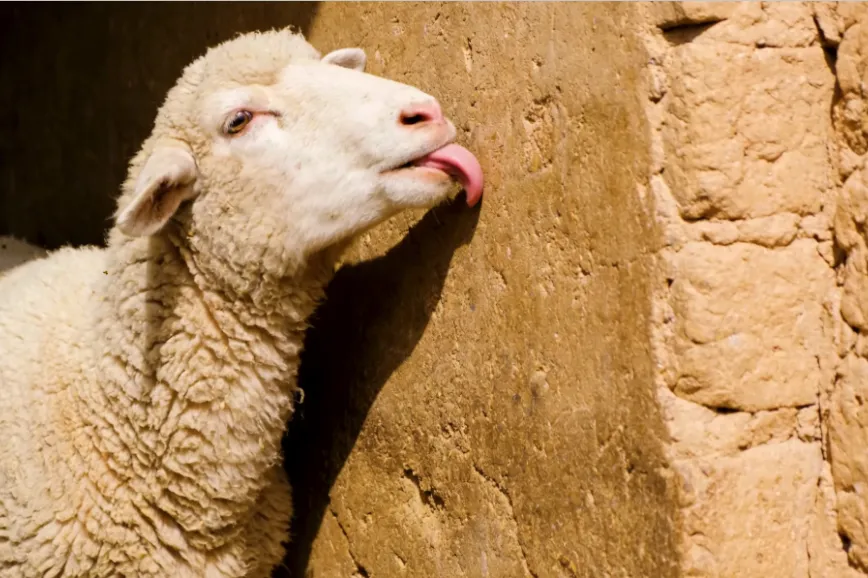

Core Efficacy of Vitboo Anti-Pica Special Formula for African Flocks

Based on the nutritional deficiency characteristics of African drought pastures and the physiological characteristics of local sheep breeds, Vitboo independently developed Vitboo Sheep Pica Stop, a targeted functional feed additive. The product adopts high-temperature resistant tropical formula, passes ECOWAS feed safety certification, has zero hormones and zero banned ingredients, and is suitable for free-range and barn-raised sheep and goats in all African pastoral areas. It realizes three core functions of nutritional balance regulation, intestinal health repair and stress resistance improvement, completely solving the problem of sheep eating feces, soil and biting wool from the root cause.
  • Full-range mineral and vitamin supplementation to eliminate compensatory pica: The product is rich in high-activity chelated copper, iron, zinc, manganese, cobalt, selenium and compound multivitamins, which precisely targets the common nutrient deficiencies in African drought pastures. It quickly supplements the missing trace elements in flocks, eliminates the physiological compensatory demand for soil minerals and fecal residual nutrients, and fundamentally stops sheep from eating soil and feces. After continuous feeding for 7-10 days, the abnormal foreign matter eating behavior of flocks is significantly reduced.
  • Repair intestinal damage and improve nutrient absorption capacity: Added with natural plant essential oil compounds and intestinal probiotic complexes unique to tropical climates, it can repair parasitic and inflammatory damaged intestinal mucosa of sheep, regulate intestinal flora balance, improve feed and forage nutrient digestion and absorption rate, avoid nutrient loss caused by indigestion, and solve pica problems caused by malabsorption malnutrition.
  • Relieve flock stress and correct bad behavioral habits: Rich in natural anti-stress plant extracts and buffered electrolytes, it can effectively relieve environmental stress and psychological anxiety of sheep caused by drought, migration and dense breeding, stabilize flock temperament, eliminate irritable wool-biting behavior, and prevent group pica behavioral transmission.
  • Promote growth and upgrade wool quality: While correcting pica, the balanced nutritional formula can significantly improve the daily weight gain of flocks, enhance sheep physique, reduce gastrointestinal disease incidence, improve wool density and smoothness, effectively upgrade commercial wool quality, and increase the economic income of African pastoral farms.
  • Adapt to African local breeding conditions with low cost and high efficiency: The powder formula is easy to mix with local pasture and grain feed, suitable for manual feeding of scattered pastoral farms and mechanical feeding of large-scale farms. It has low dosage, significant effect and no additional breeding burden, perfectly adapting to the low-cost breeding mode of African pastoral areas.

Local African Farm Trial Data: Verified Practical Effect of Vitboo Pica Prevention Product

From June to August 2026, Vitboo’s technical service team conducted a 90-day controlled feeding trial on a 5,000-head commercial sheep farm in Cape Town, South Africa and a 2,800-head pastoral flock base in Nairobi, Kenya, targeting flocks with typical pica symptoms of eating soil, feces and biting wool. The trial set a traditional feeding control group and a Vitboo product experimental group, with authentic and authoritative data as follows:

Kenya Nairobi pastoral flock trial result

After adding Vitboo Sheep Pica Stop for 10 days, the flock’s soil-eating and feces-eating behaviors disappeared basically; after 30 days, the wool-biting rate dropped by 92%, the flock’s mental state was significantly improved, and the daily weight gain increased by 17%. The seasonal intestinal disease incidence of the flock decreased by 29%.

South Africa Cape Town barn-raised sheep trial result

The pica recurrence rate of flocks using Vitboo products was close to zero. Compared with the traditional salt block supplementation group, the flock wool qualification rate increased by 35%, the mortality rate caused by foreign matter ingestion was reduced by 100%, and the overall farm breeding profit increased significantly.


Vitboo Localized Technical Services for African Pastoral Areas


In response to the scattered breeding characteristics and uneven technical level of African pastoral areas, Vitboo has set up technical service outlets in Kenya, South Africa and Nigeria, providing free localized supporting services for local farmers, including seasonal flock nutrition detection, pica behavior grading correction, pasture feeding formula optimization, and dry season flock health management guidance. For remote pastoral areas, Vitboo provides simplified English and French feeding guidelines to help farmers quickly master the correct feeding method of anti-pica products.
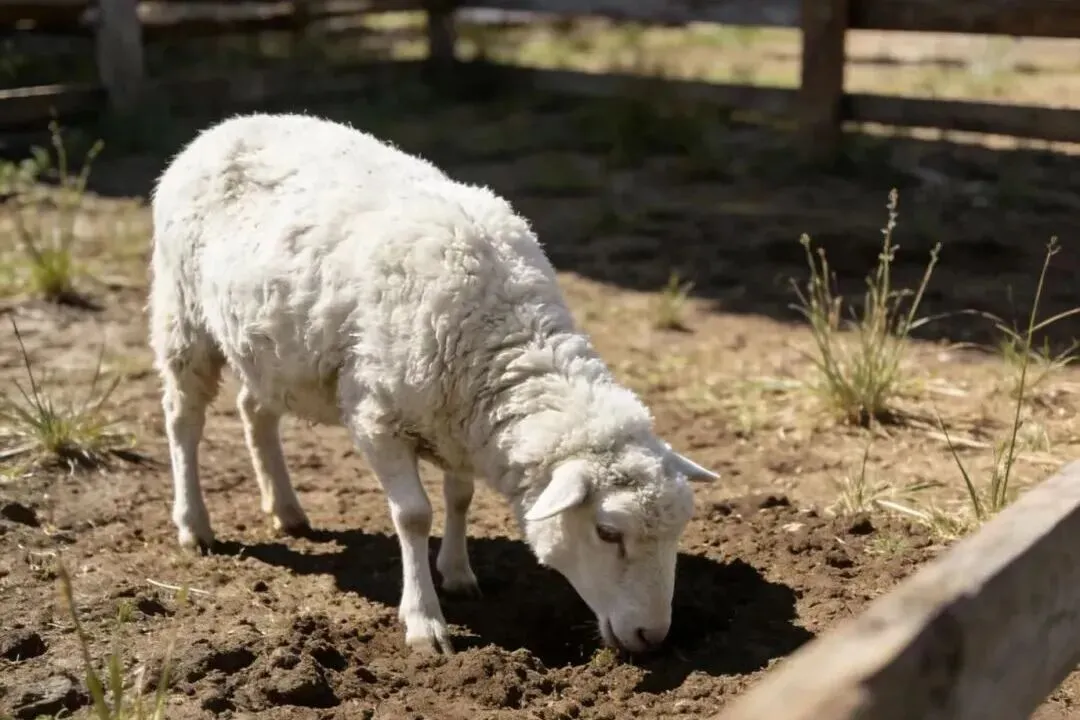
Conclusion: Scientific Nutrition Intervention Is The Fundamental Solution To African Sheep Pica
Sheep pica of eating feces, biting wool and eating soil is not a simple behavioral problem, but a typical comprehensive nutritional and metabolic disease caused by African special drought pasture environment and breeding conditions. Traditional single prevention and control methods cannot solve the root cause of the problem. Only through balanced nutrition supplementation, intestinal health repair and stress regulation can we completely eradicate pica hazards.
As a professional livestock nutrition brand serving African local breeding industry for a long time, Vitboo will continue to optimize tropical targeted breeding formulas, focus on solving various nutritional and breeding pain points of African pastoral flocks, help local farms eliminate pica losses, stabilize flock growth performance and wool economic benefits, and empower the high-quality development of African sheep breeding industry.


Recommended News
Recommended Product
Contact Us

Phone:+86 135 9888 1411

Tel:+86-0371-88959050

Email:sales@vitboo.com

Address:Zhengzhou City, Henan Province, China