
News
· Focus on Animal Health Care Product for Over 20 Years.
+86 135 9888 1411
sales@vitboo.com info@vitboo.com

In the world of intensive sheep farming and livestock production, few names strike as much fear into the hearts of farmers as Enterotoxemia. Often referred to as "Overeating Disease" or "Pulpy Kidney Disease," this condition is notorious for its rapid onset and devastating mortality rates. Frequently, a perfectly healthy lamb or sheep is found dead without any prior warning, leaving farmers with significant economic losses.
At Vitboo, we are committed to advancing animal health through precision nutrition and innovative veterinary solutions. Understanding the complexities of Enterotoxemia in sheep is the first step toward building a resilient flock. In this article, we delve into the causes, symptoms, and the cutting-edge Vitboo animal health solutions designed to protect your livestock.
Enterotoxemia in sheep is an acute, non-contagious infectious disease caused by the proliferation of Clostridium perfringens type D within the intestinal tract. Under normal circumstances, these bacteria exist in small, harmless quantities in the soil and the digestive systems of healthy ruminants.
However, when the balance of the gut is disrupted—usually by a sudden influx of high-starch or high-protein feed—the bacteria multiply exponentially. During this rapid growth phase, they release a lethal substance known as the epsilon toxin. This toxin enters the bloodstream, damaging the lining of blood vessels throughout the body, particularly in the brain and kidneys. The result is severe edema, internal hemorrhaging, and death. Because the kidneys often soften and decompose rapidly after death, the disease is widely known as Pulpy Kidney Disease.
Identifying the triggers of Clostridium perfringens is essential for effective sheep farm management. Through extensive field research, the Vitboo technical team has identified four primary risk factors:
This is the most common trigger. When sheep are suddenly moved from poor-quality forage to lush spring pastures or high-grain finishing diets, the undigested carbohydrates reach the large intestine. This provides a "feast" for Clostridium perfringens, leading to a toxin explosion.
In intensive feedlot operations, sheep may consume excessive amounts of concentrates. If the rumen cannot process these nutrients quickly enough, the bypass of starch into the lower gut triggers Enterotoxemia.
Stressors such as long-distance transport, sudden temperature drops, or heavy internal parasite loads can weaken the ruminant gut barrier. A compromised immune system is less capable of neutralizing toxins before they reach the bloodstream.
Damp, overcrowded pens increase the concentration of bacterial spores in the environment, making disease transmission and infection more likely.
Because the disease progresses so quickly, many cases are "peracute," meaning the animal dies before symptoms are even visible. However, in acute cases, farmers should look for the following sheep disease symptoms:
If you observe these signs, immediate intervention is required. Implementing a Vitboo veterinary protocol can help stabilize the remaining flock.
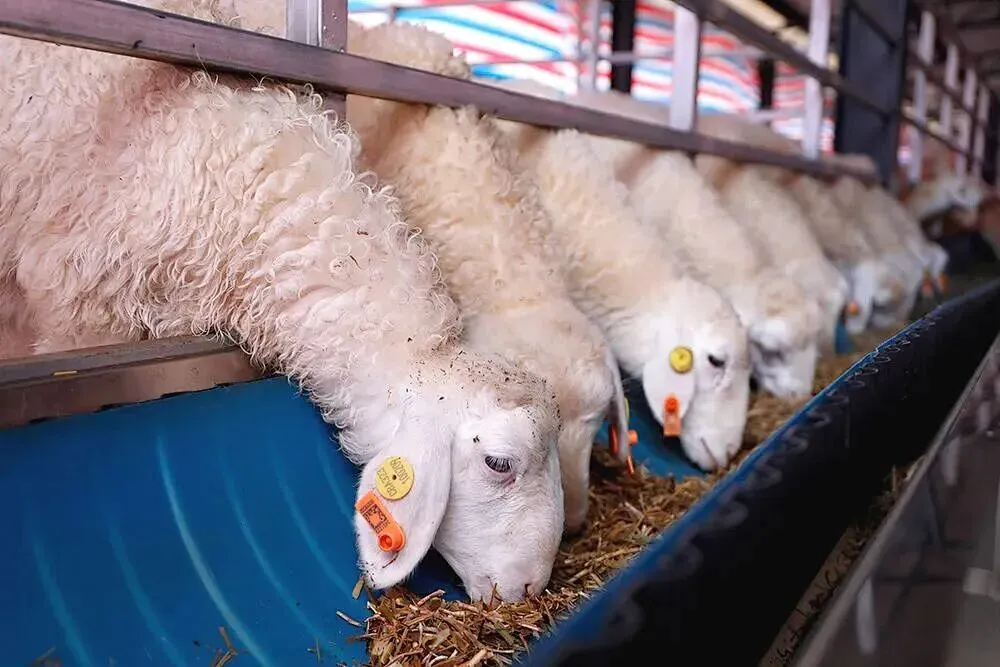
In sheep health management, prevention is far more cost-effective than treatment. Vitboo recommends a multi-layered approach to Enterotoxemia prevention:
Regular vaccination with "3-way" or "5-way" clostridial vaccines is the cornerstone of protection. Ewes should be vaccinated before lambing to provide colostral immunity, and lambs should receive their initial doses before being moved to high-quality pastures.
Keep pens dry and well-ventilated. Proper livestock hygiene reduces the bacterial load in the soil and bedding, lowering the risk of ingestion.
To combat the lethal nature of Enterotoxemia, Vitboo has developed a specialized range of products that focus on gut microflora stabilization and toxin neutralization. Our solutions are designed to bridge the gap where traditional management falls short.
Our proprietary blend of high-activity probiotics (including Bacillus subtilis and Clostridium butyricum) works through competitive exclusion. By colonizing the intestinal wall, these "good" bacteria leave no room for Clostridium perfringens to multiply. Using Vitboo probiotics daily helps maintain a stable gut pH, even during dietary shifts.
Vitboo has engineered a nano-scale toxin binder that is specifically calibrated to adsorb bacterial endotoxins. Unlike standard binders, our formula targets the epsilon toxin directly, preventing it from crossing the intestinal lining into the bloodstream. This provides an essential "safety net" for high-performing lambs.
Our products are enriched with Vitboo Immunoglobulins and hepatoprotective factors (such as Betaine and Vitamin B12). These ingredients support the liver and kidneys—the organs hardest hit by the disease—enhancing the sheep's natural ability to detoxify and recover from sub-clinical infections. Field trials show that flocks using the Vitboo nutritional program experience a 50% reduction in metabolic-related mortality.
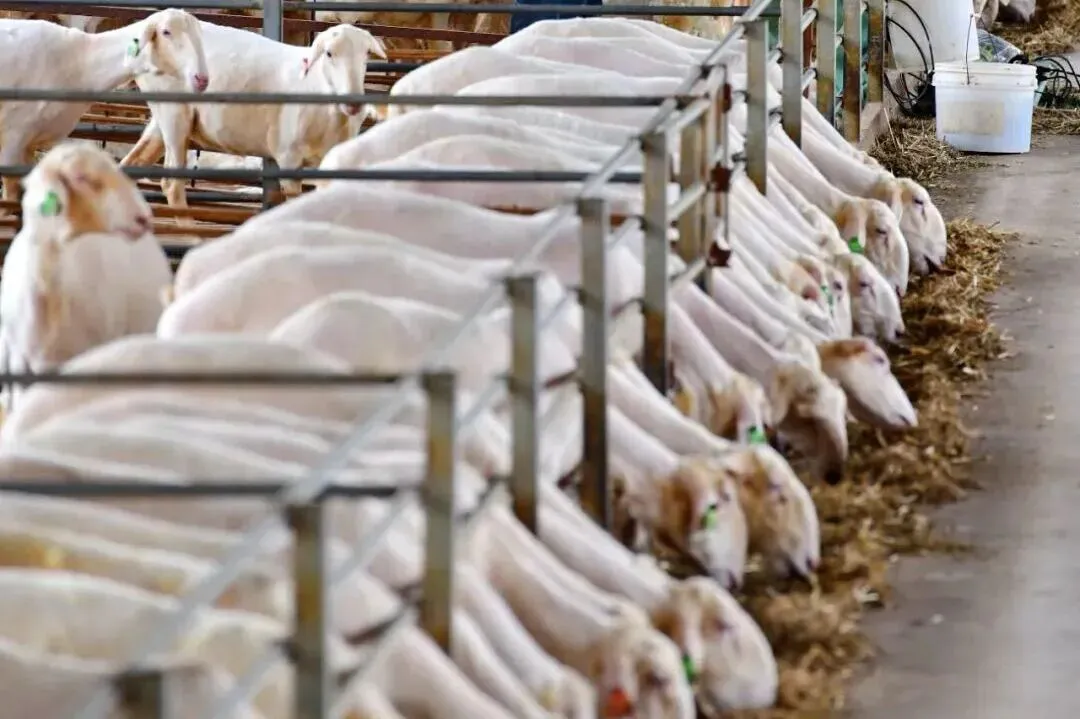
If Enterotoxemia strikes your farm, follow these steps immediately:
Enterotoxemia in sheep is a formidable opponent, but it is not unbeatable. By combining rigorous livestock management with the scientific power of Vitboo animal health products, you can eliminate the threat of sudden death in your flock and maximize your production efficiency.
At Vitboo, we don't just sell products; we provide a partnership in animal welfare. Our global team of experts is ready to assist you with sheep nutrition plans and disease prevention strategies tailored to your specific region. Choose Vitboo, and give your livestock the protection they deserve.
Phone:+86 135 9888 1411
Tel:+86-0371-88959050
Email:sales@vitboo.com
Address:Zhengzhou City, Henan Province, China
