News
· Focus on Animal Health Care Product for Over 20 Years.
+86 135 9888 1411
sales@vitboo.com info@vitboo.com

How can you quickly determine if the disease is infectious bursal disease?
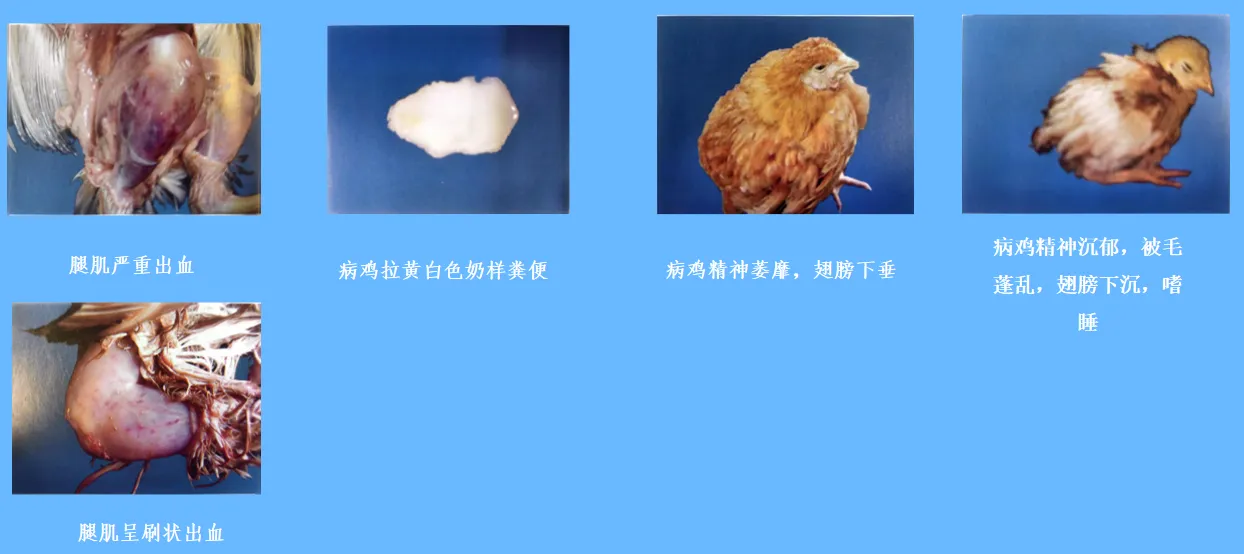
1.Sick chickens exhibit lethargy and depression.
2.The sick chickens exhibit ruffled feathers.
3.Sick chickens have diarrhea (white, watery stools).
4.Sick chickens exhibit symptoms of feeling cold and huddling together.
5.The mortality rate increased suddenly (reaching up to 30% in chickens older than 3 weeks).
6.By detecting viral antigens in bursal tissue or feces, results can be obtained in 10-15 minutes, making it suitable for use in primary healthcare settings.
Prevention strategies for infectious bursal disease
Vaccination(core measure)
Vaccine selection: Choose live vaccine (such as moderately virulent strains D78 and B87) or inactivated vaccine (for breeder chickens)based on the prevalence of the strain.Immunization program: Breeding chickens: first vaccination(attenuated vaccine) at 1-3 days of age, second vaccination at 10-14 days of age, and inactivated vaccine before laying to provide maternal antibodies Commercial chickens: lf maternal antibodies are high, the first vaccination can be postponed to 14 days of age, low-antibody chickens need to be first vaccinated within 7 days of age Note: Avoid using strong strain vaccines during the peak period of bursal development (3-6 weeks of age) to avoid damage to the immune organs.
Biosafety Control
lsolation and disinfection: Clean the chicken house thoroughly before bringing in chickens and disinfect it with formaldehyde or iodine preparations. The virus is sensitive to conventional
disinfectants During an outbreak, disinfect daily and clean up feces promptly to reduce the viral load in the environment.
All-in, all-out: Avoid mixing chickens of different ages to prevent vertical and horizontal transmission.
Feeding Management Optimization
Reduce stress: Maintain stable temperature and humidity, and avoid sudden changes in feed or excessive density.
Nutritional support: Supplement vitamins (such as vitamins C and E)and electrolytes to enhance disease resistance.
Emergency Treatment,Monitoring and Early Warning After the Onset of the Disease
Passive immunization: Early injection of high-immunity egg yolk antibodies (1-2 mL/bird) is most effective within 48 hours. Adjunctive treatment: Use antibiotics (such as enrofloxacin) to control secondary infections.Additional liver and kidney detoxification medications can alleviate symptoms of poisoning Antibody testing: Regularly test maternal antibody levels and adjust the immunization schedule.Pathological observation: Monitor the flock's spirits, diarrhea, and bursal swelling to ensure early detection and intervention.
Antibiotic Treatment
Enrofloxacin (10% solution, 0.05ml/kg body weight in drinking water for 3-5 days): Prevents secondary infections with Escherichia coli and Salmonella.
Florfenicol + doxycycline: For mixed infections (such as mycoplasma)
Feeding Management Adjustment
Reduce feed protein (≤18%) to reduce kidney burden.Raise the temperature by 1-2°C:to alleviate chilling symptoms in chicks. Ensure clean drinking water: to prevent water contamination from exacerbating the condition.
Precautions(critical)
Vaccinations Attenuated vaccines.Chicks should receive their first vaccination at 14 days of age (e.g.B87 strain), followed by a booster vaccination at 28 days of age Inactivated vaccines :Pre-laying vaccination of breeder chickens to provide maternal antibodies to protect chicks..
Phone:+86 135 9888 1411
Tel:+86-0371-88959050
Email:sales@vitboo.com
Address:Zhengzhou City, Henan Province, China