
News
· Focus on Animal Health Care Product for Over 20 Years.
+86 135 9888 1411
sales@vitboo.com info@vitboo.com

As global temperatures continue to rise, summer heat stress in poultry production has become one of the most critical challenges affecting poultry farms worldwide. In broiler, layer, and breeder operations, prolonged exposure to high ambient temperatures can lead to reduced performance, compromised immunity, poor feed conversion, and in severe cases, sudden mortality caused by heat stroke.
For modern poultry producers, especially in tropical and subtropical regions, heat stress is no longer a seasonal inconvenience—it is a major economic threat. Understanding its mechanisms, recognizing early signs, and implementing effective prevention strategies are essential to maintaining flock health and profitability.
This article provides a comprehensive overview of poultry heat stress management, while highlighting how Vitboo’s veterinary medicines, feed additives, and premix solutions help poultry producers mitigate heat-related losses and improve production efficiency.
Understanding Heat Stress in Poultry Production
Heat stress occurs when birds are unable to dissipate body heat effectively due to high environmental temperatures, humidity, and poor ventilation. Unlike mammals, poultry do not have sweat glands, making them highly sensitive to thermal stress.
When environmental temperatures exceed the thermoneutral zone (typically above 28–30°C depending on bird age and type), birds begin to experience physiological stress. They increase respiration rate, reduce feed intake, and redirect energy from growth and production toward cooling mechanisms.
If heat stress persists, it can quickly progress from reduced performance to metabolic failure and death.
The economic consequences of poultry heat stress are significant and often underestimated.
Key losses include:
Industry data shows that heat stress can reduce broiler performance efficiency by more than 15–25% during extreme summer conditions. In severe cases, sudden flock losses can occur within hours, particularly in poorly ventilated housing systems.
For commercial poultry operations, these losses directly translate into reduced profitability and higher production costs.
When birds are exposed to high temperatures, their body initiates several stress responses:
These physiological changes not only affect growth and production but also make birds more vulnerable to bacterial, viral, and parasitic infections.
Heat stress is therefore not only a thermal problem—it is also an immunological and metabolic disorder.
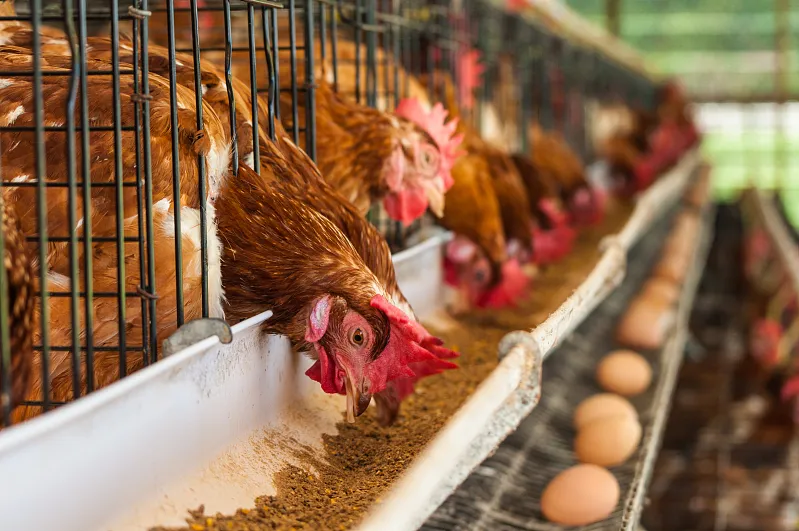
Recognizing early symptoms is critical for preventing large-scale losses. Common signs include:
If not addressed promptly, these symptoms may escalate to collapse and sudden death.
Several management and environmental factors can intensify heat stress in poultry farms:
Inadequate airflow traps heat and humidity inside poultry houses, preventing effective cooling.
Overcrowding increases metabolic heat production and limits air circulation.
Insufficient or poor-quality drinking water reduces the bird’s ability to regulate body temperature.
Deficiencies in electrolytes, vitamins, and minerals weaken stress resistance.
Absence of fans, foggers, or evaporative cooling systems significantly increases heat load.
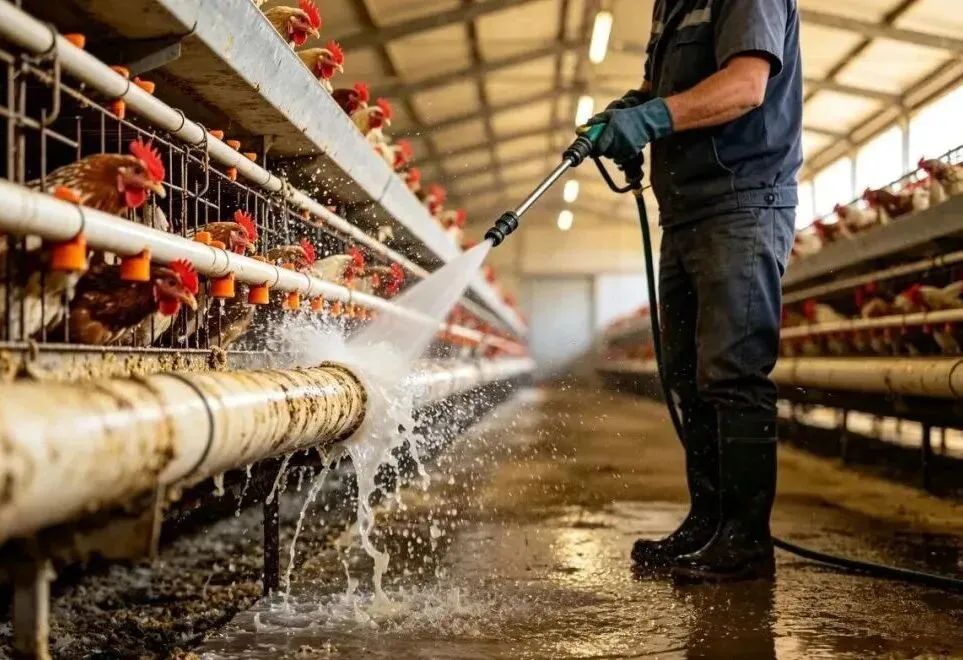
Effective control of poultry heat stress requires a multi-layered management approach combining environmental control, nutrition, and health support.
Maintaining optimal housing conditions is the first line of defense.
Key measures include:
These adjustments help reduce ambient temperature and improve bird comfort.
Nutrition plays a central role in heat stress resistance. During hot weather, birds require specially formulated diets that reduce metabolic heat production while maintaining nutrient intake.
Key nutritional strategies include:
Proper nutrition helps stabilize physiological functions and improves resilience under thermal stress.
As a professional exporter specializing in veterinary medicines, feed additives, and premix solutions, Vitboo provides integrated animal health products designed to help poultry producers manage heat stress more effectively.
Vitboo focuses on improving three key areas:
Our functional feed additives help birds better cope with environmental stress by supporting metabolic balance and reducing oxidative damage. This improves overall survival rates during heat waves.
Vitboo nutritional solutions help maintain electrolyte balance, ensuring proper hydration and thermoregulation. This is essential for preventing dehydration and heat-induced mortality.
Heat stress weakens immunity, making birds more susceptible to disease outbreaks. Vitboo products are designed to strengthen immune response and reduce secondary infection risks during high-temperature periods.
One of the most overlooked aspects of poultry heat stress is its interaction with infectious diseases. Heat-stressed birds are significantly more vulnerable to conditions such as:
This is because stress suppresses immune function and disrupts gut integrity, creating ideal conditions for pathogen proliferation.
Therefore, heat stress management is not only about temperature control but also about disease prevention.
The future of poultry production in hot regions lies in precision livestock farming. This includes:
Producers who adopt these technologies will be better positioned to reduce heat-related losses and improve production efficiency.
Poultry heat stress is one of the most significant challenges in modern poultry farming, particularly during the summer months. It affects growth performance, feed efficiency, immune function, and survival rates, leading to substantial economic losses.
Effective prevention requires a comprehensive strategy that integrates environmental management, nutritional optimization, and immune support.
As a trusted global supplier of veterinary medicines, poultry feed additives, and premix products, Vitboo is committed to helping poultry producers reduce heat stress impact and improve flock productivity through science-based solutions.
By combining advanced nutrition with proper farm management, producers can significantly reduce summer mortality and ensure stable, profitable poultry production even under extreme weather conditions.
Economic Impact of Heat Stress on Poultry Farms
Physiological Mechanism of Heat Stress
Early Warning Signs of Heat Stress in Poultry
Key Risk Factors That Worsen Heat Stress
1. Poor Ventilation
2. High Stocking Density
3. Water Quality Issues
4. Nutritional Imbalance
5. Lack of Cooling Systems
Integrated Prevention Strategy for Heat Stress Control
1. Environmental Management
2. Nutritional Intervention
How Vitboo Supports Poultry Heat Stress Management
1. Stress Resistance Enhancement
2. Electrolyte and Hydration Support
3. Immune System Protection
Heat Stress and Disease Interaction
Future Direction: Precision Poultry Farming in Hot Climates
Phone:+86 135 9888 1411
Tel:+86-0371-88959050
Email:sales@vitboo.com
Address:Zhengzhou City, Henan Province, China
