
News
· Focus on Animal Health Care Product for Over 20 Years.
+86 135 9888 1411
sales@vitboo.com info@vitboo.com

A sheep that was healthy last season is now visibly wasting away. Its jaw hangs swollen with fluid — the unmistakable sign of bottle jaw in sheep. Chronic diarrhea stains the hindquarters. The wool is dull, the eyes pale. By the time these signs appear, the damage is already severe. Across sheep-producing regions worldwide, liver fluke (Fasciola hepatica and Fasciola gigantica) is quietly devastating flocks — and too many farmers don't realize until it is too late.
Liver fluke disease (fasciolosis) is one of the most economically destructive parasitic infections in global small ruminant production. The parasites — flat, leaf-shaped trematodes — migrate through the liver tissue before settling in the bile ducts, where mature flukes feed on blood, bile, lymph, and hepatic tissue. The damage is cumulative, progressive, and often goes undetected until the chronic phase — when weight loss, edema, and diarrhea become unmistakable.
According to the Merck Veterinary Manual, Fasciola hepatica is considered one of the most important fluke species affecting domestic ruminants worldwide. In tropical and subtropical regions, Fasciola gigantica adds another layer of threat. Together, these parasites are responsible for an estimated $3 billion in annual global agricultural losses, affecting meat production, wool quality, milk yield, fertility, and causing liver condemnation at slaughter.
The epidemiological picture is especially concerning in key sheep-producing regions. Ethiopia reports an average sheep fasciolosis prevalence of 40.2% — among the highest documented rates globally — followed by Tunisia at 35.5%. In Australia, producers in New South Wales reported a 230% increase in liver fluke cases in 2023, and the parasite now ranks as the third most common cause of sheep carcass condemnation in the state. The United Kingdom's Agri-Food and Biosciences Institute (AFBI) issued a high-risk alert for liver fluke infection for the autumn and winter 2025–2026 season, warning sheep and cattle producers to expect elevated infection pressure.
Progressive Weight Loss and Wasting
Adult liver flukes consume blood and tissue within the bile ducts, causing chronic cholangitis, bile duct obstruction, and progressive hepatic fibrosis. The damaged liver cannot efficiently metabolize nutrients, leading to poor feed conversion, reduced growth rates, and steady weight loss even when the animal appears to be eating normally. In breeding ewes, this manifests as reduced lambing rates, low birth weights, and poor lamb survival. The wasting is insidious — animals lose condition month by month until they reach a point of irreversible cachexia.
Bottle Jaw (Intermandibular Edema)
The swollen, fluid-filled swelling under the jaw — known as bottle jaw — is perhaps the most recognizable clinical sign of chronic liver fluke infestation. The mechanism is straightforward: as flukes damage the liver, albumin production declines. Albumin is the primary protein maintaining oncotic pressure within blood vessels. When albumin levels drop (hypoalbuminemia), fluid leaks from capillaries into surrounding tissues, gravitating to the lowest point — the intermandibular space. Bottle jaw is not just a cosmetic concern; it signals advanced liver dysfunction and a severely compromised animal.
Chronic Diarrhea and Anemia
The combination of bile duct obstruction, impaired fat digestion, and intestinal inflammation produces the persistent diarrhea that characterizes chronic fasciolosis. Meanwhile, ongoing blood loss from fluke feeding activity leads to progressive anemia, evident in pale mucous membranes, lethargy, and exercise intolerance. Affected sheep become increasingly susceptible to secondary infections, further accelerating their decline.
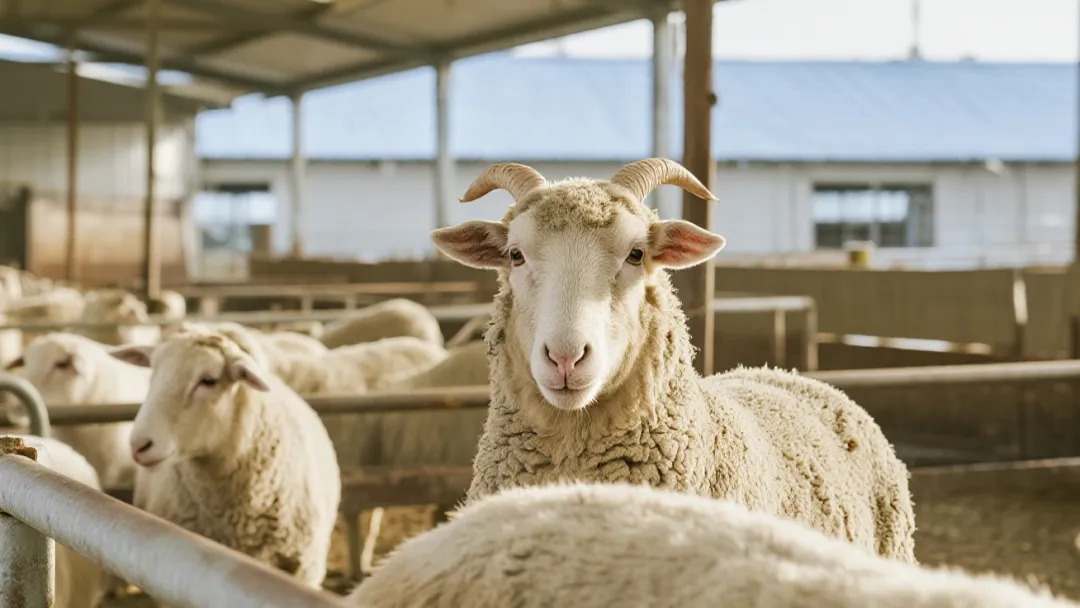
One of the most dangerous aspects of Fasciola hepatica infection is its prolonged subclinical phase. Immature flukes migrating through the liver parenchyma cause tissue destruction, hemorrhage, and inflammation, but the animal may show no outward signs for weeks or months. By the time weight loss and bottle jaw become apparent, the liver has already sustained significant, often irreversible, damage.
Compounding the diagnostic challenge is the fact that fecal egg counts are unreliable in early and mid-stage infections. Immature flukes do not produce eggs, and egg shedding can be intermittent even in patent infections. Farmers relying on visual assessment alone will almost always detect the problem too late for optimal intervention.
The parasite's complex life cycle involving freshwater snails (Lymnaea spp.) as intermediate hosts also means that liver fluke risk is highly seasonal and geographically variable. Wet seasons, flood irrigation, and poorly drained pastures create ideal conditions for snail population explosions, leading to massive pasture contamination with infective metacercariae. Climate change is extending transmission seasons in many regions, increasing the risk window for grazing livestock.
The Triclabendazole Resistance Crisis
For decades, the frontline defense against liver fluke has been triclabendazole (TCBZ) — the only anthelmintic effective against both immature and adult flukes. However, triclabendazole resistance is now widespread across every major sheep-producing continent. Research published in Nature Communications (2025) documented independent origins of TCBZ resistance across multiple countries, with resistant populations now firmly established in Europe, Australia, New Zealand, and South America.
The implications are severe. When triclabendazole fails, immature flukes continue their destructive migration through the liver unchecked. Farmers who dose on schedule — believing their flock is protected — may be blindsided by acute fasciolosis outbreaks, sudden deaths, and catastrophic chronic wasting. Alternative chemical flukicides exist (albendazole, closantel, nitroxynil), but each has limitations: some target only adult flukes, others require higher doses with safety concerns, and none address the growing problem of multi-drug resistance in Fasciola populations.
The global liver fluke treatment market, valued at $642.7 million in 2025 and projected to reach $1 billion by 2035, reflects both the scale of the problem and the urgent demand for new solutions. Farmers worldwide are actively seeking alternatives to conventional chemical dewormers — solutions that are effective, sustainable, and compatible with organic and residue-free production systems.
In the face of rising drug resistance and growing demand for sustainable parasite control, Vitboo has developed a comprehensive range of natural anthelmintic and liver health supplements for sheep and goats. Our formulations harness the power of medicinal plants with scientifically validated antiparasitic and hepatoprotective properties, offering sheep producers a new line of defense against liver fluke infestation.
Vitboo's natural dewormer for sheep contains bioactive plant compounds that have demonstrated significant in vitro and in vivo anthelmintic activity against both Fasciola hepatica and Fasciola gigantica. Unlike single-mechanism chemical drugs, the multi-compound profile of Vitboo's herbal formulations targets flukes through multiple biochemical pathways simultaneously, making it far more difficult for parasites to develop resistance. Research published in leading parasitology journals confirms that plant-derived compounds including flavonoids, tannins, and alkaloids can effectively suppress fluke burdens while supporting the animal's own immune response.
What sets Vitboo's liver fluke management program apart is its dual focus: reducing parasite burden while simultaneously protecting and regenerating liver tissue. The same fluke damage that causes wasting, bottle jaw, and chronic diarrhea — hepatic fibrosis, cholangitis, and impaired protein synthesis — can be mitigated by Vitboo's hepatoprotective botanical complex. Key bioactive compounds support hepatocyte regeneration, bile flow normalization, and restoration of albumin synthesis, directly addressing the root causes of the clinical signs that devastate flock productivity.
Chronic parasitism suppresses the host immune system, creating a vicious cycle of increasing susceptibility. Vitboo's immune-boosting sheep supplement formulations strengthen both innate and adaptive immune responses, helping sheep mount more effective defenses against fluke migration and establish resistance to reinfection. Enhanced immune function also translates to better vaccine responses, improved resistance to secondary infections, and faster recovery from the metabolic drain of parasitism.
All Vitboo sheep health products are 100% natural, antibiotic-free, and completely residue-free. For producers targeting organic lamb and wool markets, Halal-certified export channels, or premium domestic buyers who demand chemical-free meat and dairy products, Vitboo provides a fully compliant solution. No withdrawal periods, no residue concerns, no market access barriers.
Vitboo's concentrated formulations are priced for the economic realities of commercial sheep production — from large-scale Australian and New Zealand stations to smallholder sheep and goat operations in Ethiopia, Kenya, Nigeria, and across sub-Saharan Africa. Measurable improvements in weight gain, wool quality, lambing percentages, and reduced mortality mean that Vitboo supplementation consistently delivers a strong return on investment, often paying for itself many times over in reduced losses and improved productivity.
Dual-Action Anthelmintic Activity
Liver Protection and Regeneration
Immune Enhancement for Long-Term Resilience
Residue-Free and Export-Compliant
Cost-Effective Flock Protection
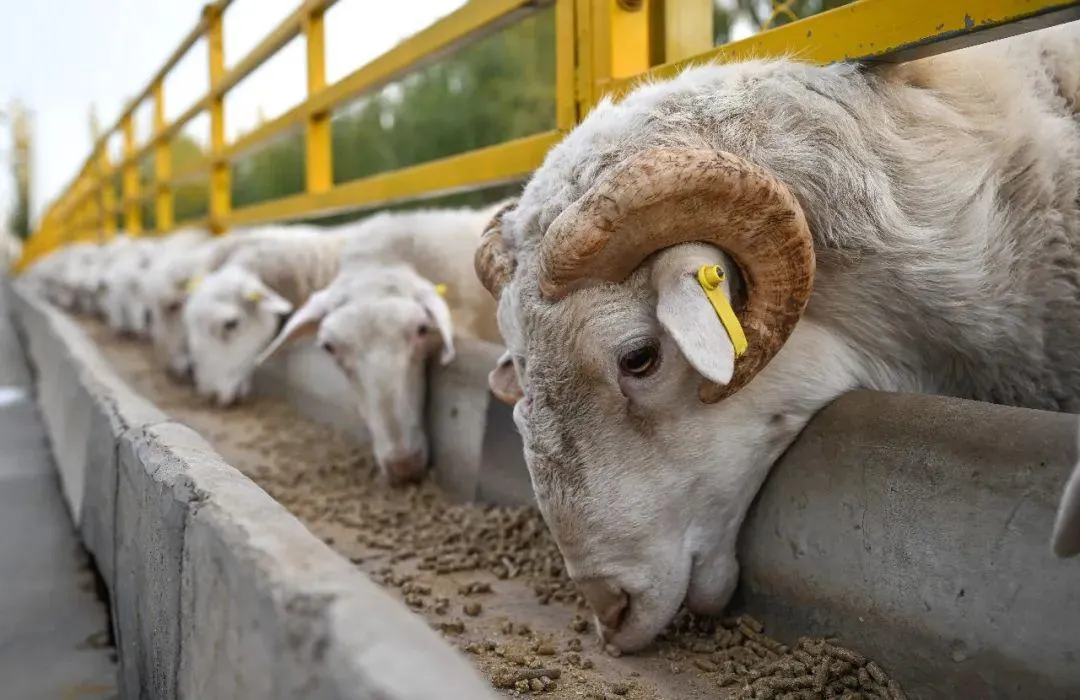
The lesson from the field is unambiguous: liver fluke does not announce itself until the damage is done. By the time wasting, bottle jaw, and chronic diarrhea are visible, weeks or months of silent destruction have already occurred. A proactive, prevention-first strategy — combining strategic deworming, pasture management, and nutritional immune support — is the only way to protect flock health and farm profitability.
Vitboo is committed to equipping sheep producers worldwide with natural, science-backed parasite control solutions that work in the real world. Whether you manage a commercial wool and lamb operation in Australia, a small ruminant enterprise in East Africa, or a mixed livestock farm in the United Kingdom, South Asia, or the Middle East, Vitboo has the sheep health supplement and natural dewormer to protect your animals and your livelihood.
Do not wait for bottle jaw to appear. Do not rely solely on chemical dewormers that may already be failing. Invest in the long-term health of your flock with Vitboo — Natural Liver Fluke Defense for Sheep and Goats Worldwide.
Contact Vitboo today to learn how our natural liver fluke treatment and prevention program can transform your flock health, improve productivity, and secure your future in sustainable sheep production.
Phone:+86 135 9888 1411
Tel:+86-0371-88959050
Email:sales@vitboo.com
Address:Zhengzhou City, Henan Province, China
