
News
· Focus on Animal Health Care Product for Over 20 Years.
+86 135 9888 1411
sales@vitboo.com info@vitboo.com

In both large-scale commercial operations and small-scale free-range settings, viral diarrhea poses a highly virulent and extremely dangerous infectious threat to cattle and sheep, particularly during the autumn, winter, and spring seasons. Triggered by various viral strains—including Rotavirus, Coronavirus, and Bovine Viral Diarrhea Virus—this disease is characterized by rapid transmission, low cure rates, and high mortality among young livestock, resulting in substantial economic losses for breeders. With years of deep expertise in the field of veterinary pharmaceuticals and livestock health, Vitboo focuses on the core needs of disease prevention and control for cattle and sheep. We have developed specialized products specifically designed to combat viral diarrhea, and—drawing upon extensive clinical practice—we have formulated a comprehensive prevention and treatment protocol to empower breeders to rapidly fend off viral invasions, thereby safeguarding both the health of their livestock and their farming profitability.
I. The Lethal Threat of Viral Diarrhea in Cattle and Sheep: An "Invisible Calamity" for Livestock Herds
Viral diarrhea in cattle and sheep is a highly contagious disease. The virus spreads rapidly through multiple routes—including feces, oral and nasal secretions, contaminated feed and water, and airborne droplets—rendering the entire herd susceptible. Furthermore, the virus is resistant to low temperatures and possesses a long survival time; consequently, an outbreak can very easily escalate into a regional epidemic. The disease poses a threat throughout the entire livestock rearing cycle, with its devastating impact being particularly pronounced among young animals.
For **lambs and calves**, the mortality rate following viral diarrhea infection reaches as high as 60%–90%; affected young animals suffer from rapid dehydration and physical exhaustion, and even if they are fortunate enough to survive, they experience stunted growth and compromised immunity—becoming "stunted lambs" or "stunted calves" that hold no further value for livestock production. In adult cattle and sheep, infection manifests as persistent diarrhea, complete loss of appetite, and precipitous weight loss. Breeding females suffer from reproductive disorders—including miscarriage, premature birth, the delivery of weak offspring, and a drastic decline in milk production—while bulls and rams experience a deterioration in semen quality and a loss of breeding capability.
Concurrently, viral diarrhea damages the intestinal mucosa and immune systems of cattle and sheep, rendering them highly susceptible to secondary bacterial infections, parasitic diseases, and other mixed infections. This prolongs treatment periods and increases medication costs; in severe cases, it can lead to mass mortality among livestock—thereby directly decimating production capacity—and constitutes a major disease threat that hinders the healthy development of the cattle and sheep farming industry.
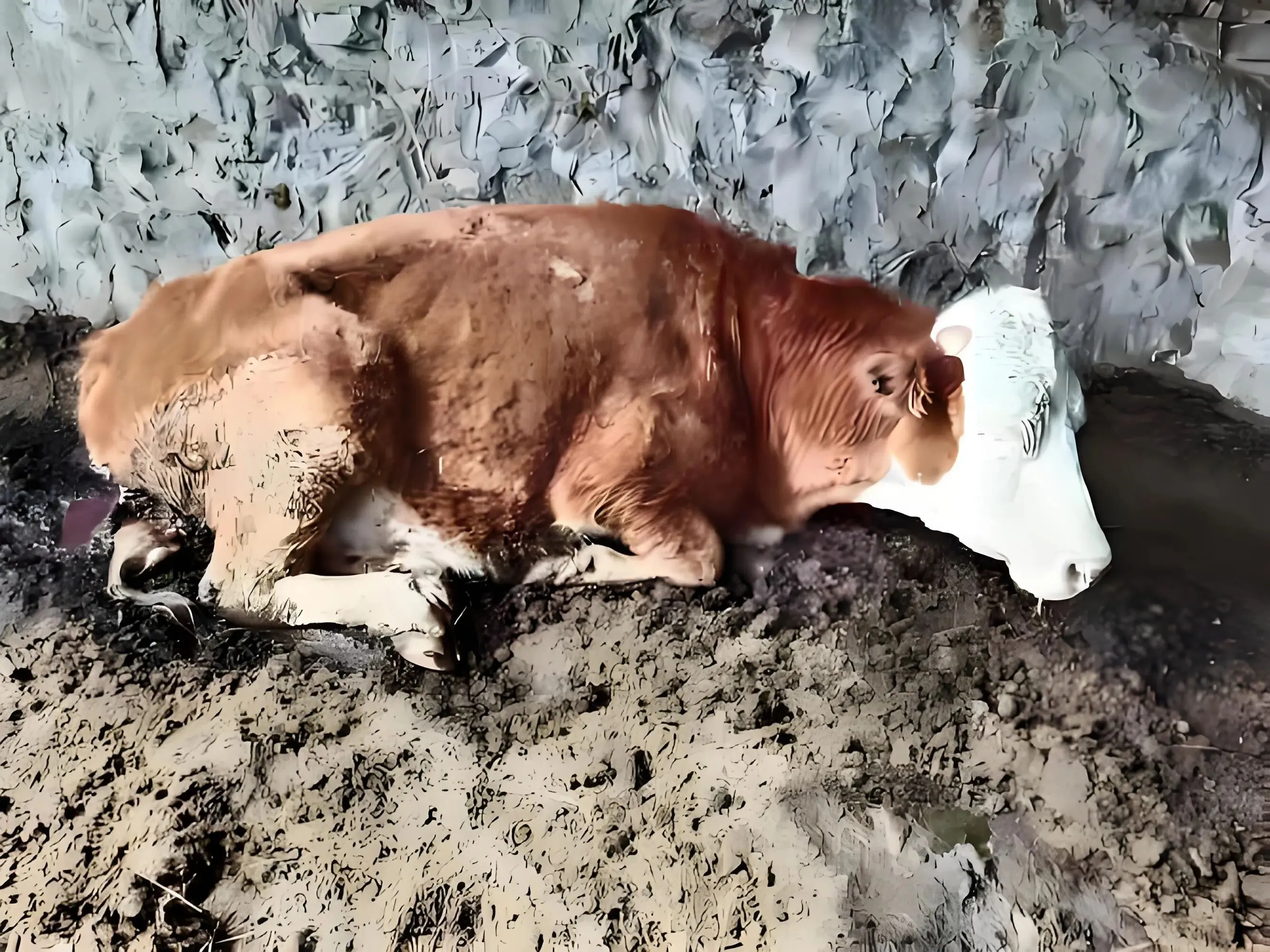
II. Clinical Symptoms of Viral Diarrhea in Cattle and Sheep: Accurate Identification to Avoid Misdiagnosis
The clinical symptoms of viral diarrhea in cattle and sheep are characteristic in nature; while manifestations may vary slightly among affected individuals of different age groups, livestock farmers can quickly identify the condition based on the following features, thereby seizing the critical window for treatment and preventing the spread of the disease.
1. Core Symptoms in Young Livestock (Lambs, Calves)
Onset is acute and the clinical course is brief. The condition is characterized by sudden, severe diarrhea; feces appear yellow, white, or pale green, and watery in consistency, accompanied by a foul odor, with some stools containing blood or mucus. Affected young animals exhibit extreme lethargy, refuse to nurse or feed, and undergo rapid dehydration and emaciation. Symptoms include sunken eyes, a rough and disheveled coat, and unsteady gait. Body temperature initially rises before subsequently dropping; death may occur within 1 to 3 days of onset.
2. Core Symptoms in Adult Cattle and Sheep
Body temperature rises abruptly to 40–42°C; animals exhibit lethargy, cessation of rumination, and complete loss of appetite. Oral mucous membranes become eroded, accompanied by excessive salivation, while the nasal muzzle appears dry and cracked. These symptoms are accompanied by persistent watery diarrhea; in the later stages, feces become mixed with blood and sloughed intestinal mucosa, and signs of abdominal pain and distension emerge. Pregnant animals may suffer miscarriages or exhibit signs of fetal distress, while lactating females experience a sudden drop in milk production and deterioration in milk quality. The course of the disease typically lasts 7–15 days; even after recovery, the animals remain long-term carriers and continue to shed the virus.
3. Symptoms of Subclinical Infection
Some adult cattle and sheep exhibit no obvious symptoms of diarrhea following infection; instead, they merely present with reduced appetite, decreased milk production, and reproductive abnormalities. However, they continue to shed the virus into the environment, acting as sources of infection that silently infect healthy livestock. This constitutes a key reason why viral diarrhea is so difficult to completely eradicate.
III. Scientific Prevention of Viral Diarrhea in Cattle and Sheep: A Multi-Pronged Approach to Block Viral Transmission
The control and prevention of viral diarrhea in cattle and sheep adhere to the core principles of "**prioritizing prevention, integrating husbandry with disease control, and eliminating sources of infection**." Drawing upon years of experience in livestock farming services, Vitboo has developed a standardized prevention system designed to mitigate the risk of infection at the source.
1. Strictly Control Biosecurity and Sever Transmission Pathways
Establish a closed-loop breeding model, ensuring that all external personnel, vehicles, and supplies undergo rigorous disinfection before being permitted entry. Conduct comprehensive, periodic disinfection of cattle barns, sheep pens, stalls, feed troughs, watering equipment, and exercise yards—performing this procedure 2 to 3 times per week—with particular emphasis on disinfection efforts during the cold season. Promptly remove manure and bedding materials, subjecting them to harmless treatment to prevent the proliferation and spread of viruses.
2. Implement Scientific Immunization to Fortify the Immune Barrier
Based on local epidemiological conditions, select targeted vaccines to conduct standardized immunization. Ensure that lambs and calves receive passive immunization within 24 hours of birth, and administer regular booster shots to young and adult cattle and sheep to maintain stable herd antibody levels and enhance the animals' antiviral capabilities.
3. Optimize Feeding and Management to Enhance Physiological Resistance
Provide high-quality, nutritionally complete feed; strictly avoid the use of moldy forage; and ensure that drinking water is clean and warm. Maintain proper insulation and ventilation within the livestock housing to prevent stress reactions caused by excessive temperature fluctuations or exposure to cold winds. Rationally control stocking density and implement an "all-in, all-out" management system. Newly introduced cattle and sheep must undergo an isolation and observation period of at least 30 days; they may only be integrated into the main herd after quarantine results confirm the absence of any abnormalities, thereby preventing the introduction of viral pathogens.
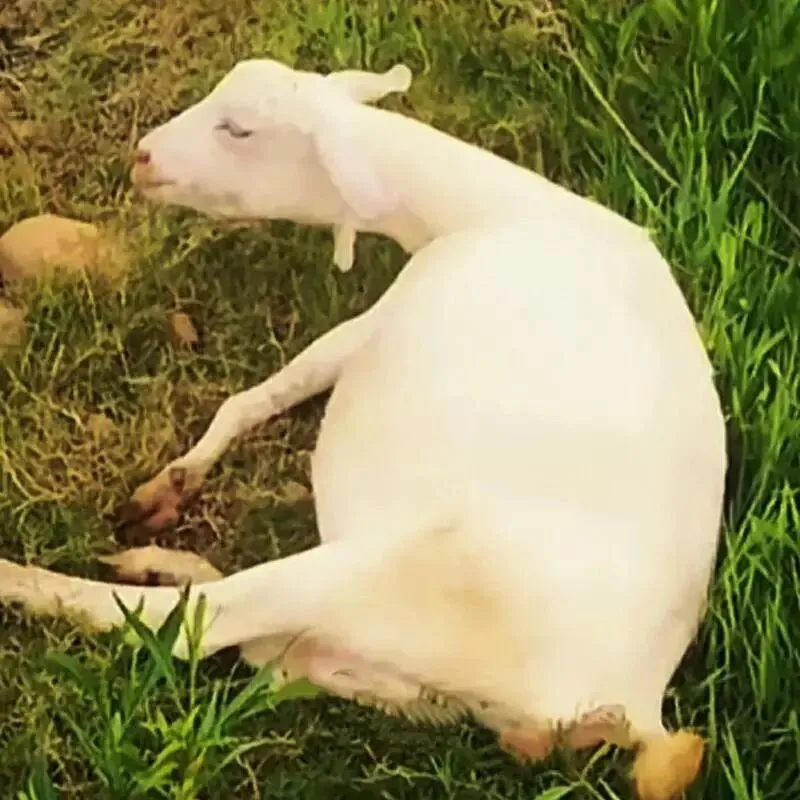
IV. Treatment Protocol for Viral Diarrhea in Cattle and Sheep: Vitboo Exclusive Products—Highly Effective Disease Control and Loss Mitigation
Addressing the critical challenges associated with viral diarrhea in cattle and sheep—specifically rapid viral mutation, frequent secondary infections, and the poor efficacy of conventional medications—Vitboo recognizes that indiscriminate drug use not only delays effective treatment but also places an excessive burden on the animals' liver and kidneys. Specializing in the R&D of antiviral veterinary medicines for livestock and poultry, Vitboo has introduced a dedicated product line for the prevention and control of viral diarrhea in cattle and sheep. By directly targeting the virus and integrating with a scientifically validated treatment regimen, these products rapidly alleviate symptoms, reduce mortality rates, and restore the animals' overall health.
1. Potent Antiviral Action:
Utilizing a targeted compound formulation, it precisely inhibits the replication of various diarrheal viruses—including Rotavirus and Coronavirus—rapidly blocking viral damage to the intestinal mucosa and controlling disease progression at its source.
2. Rapid Diarrhea Control and Rehydration:
Possessing combined antidiarrheal, hemostatic, and intestinal mucosal repair properties, it rapidly alleviates symptoms of watery diarrhea, replenishes electrolytes and fluids, corrects dehydration and acidosis, and enhances the survival rate of affected animals.
3. Prevention of Secondary Infections:
Simultaneously provides antibacterial and anti-inflammatory effects while clearing heat and detoxifying the system, effectively preventing secondary infections—such as those caused by *E. coli* and *Salmonella*—and avoiding the exacerbation of the disease due to co-infections.
4. Safe and Residue-Free:
This product complies with veterinary drug safety standards, induces no drug resistance, and leaves no drug residues. It can be used with confidence in young, pregnant, and lactating animals, and does not adversely affect the growth or reproductive performance of cattle and sheep.
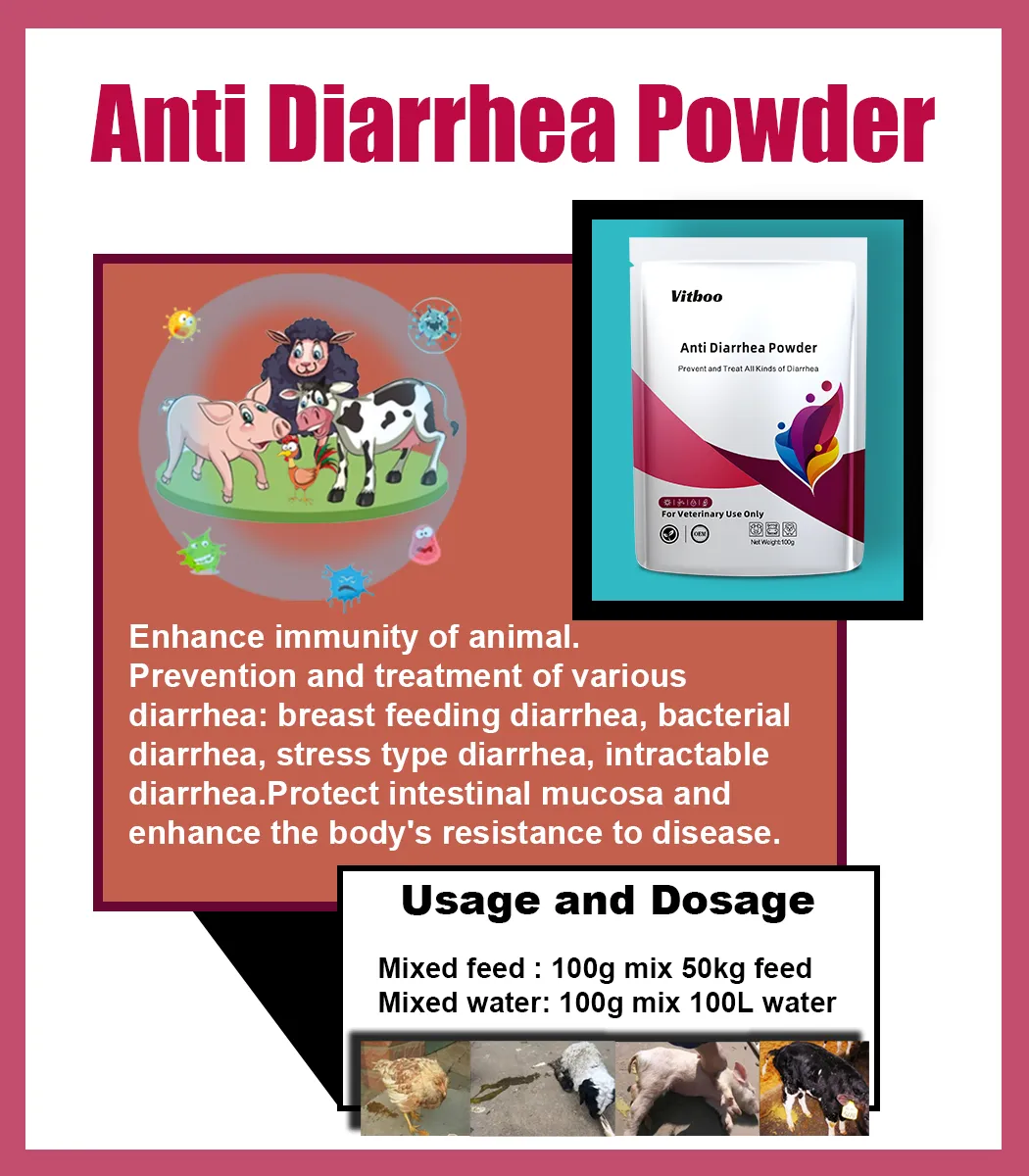
V. Vitboo: Safeguarding the Health of Cattle and Sheep, Boosting Quality and Efficiency in Livestock Farming
The prevention and control of viral diarrhea in cattle and sheep is critical to ensuring stable production and increased income in livestock farming; only through early prevention, early detection, and early treatment can we effectively ward off viral invasions. Vitboo consistently upholds the philosophy of "empowering livestock farming through expertise and safeguarding health through technology." We continue to delve deeply into the field of disease prevention and control for cattle and sheep, constantly iterating and upgrading our veterinary pharmaceutical products. By providing one-stop solutions for various high-incidence diseases affecting these animals—backed by high-quality products and professional technical services—we empower livestock farmers to overcome their most challenging disease control hurdles.
Moving forward, Vitboo will remain focused on addressing the pain points within the cattle and sheep farming sector. By closely monitoring disease prevalence trends, we will develop an even wider range of highly efficient, safe, and convenient prevention and control products. We look forward to joining forces with livestock farmers everywhere to fortify our collective defenses against disease and drive the high-quality development of the cattle and sheep farming industry!
Phone:+86 135 9888 1411
Tel:+86-0371-88959050
Email:sales@vitboo.com
Address:Zhengzhou City, Henan Province, China
