
News
· Focus on Animal Health Care Product for Over 20 Years.
+86 135 9888 1411
sales@vitboo.com info@vitboo.com

As global pig farming continues to move toward larger-scale and more intensive production systems, disease prevention has become one of the most critical factors affecting farm profitability. In recent years, many swine producers across Asia, Africa, Latin America, and other emerging livestock markets have reported a growing challenge: outbreaks involving Porcine Reproductive and Respiratory Syndrome (PRRS), Porcine Circovirus Type 2 (PCV2), and Glässer’s Disease occurring at the same time.
Veterinary experts have noted that these three diseases rarely appear independently. Instead, they often form a complex co-infection pattern that severely weakens pig immunity, reduces growth performance, increases mortality, and significantly impacts farm economics. For pig producers, understanding the relationship between these diseases and implementing an integrated prevention strategy is becoming increasingly important.
Why Are PRRS, PCV2, and Glässer’s Disease Frequently Found Together?
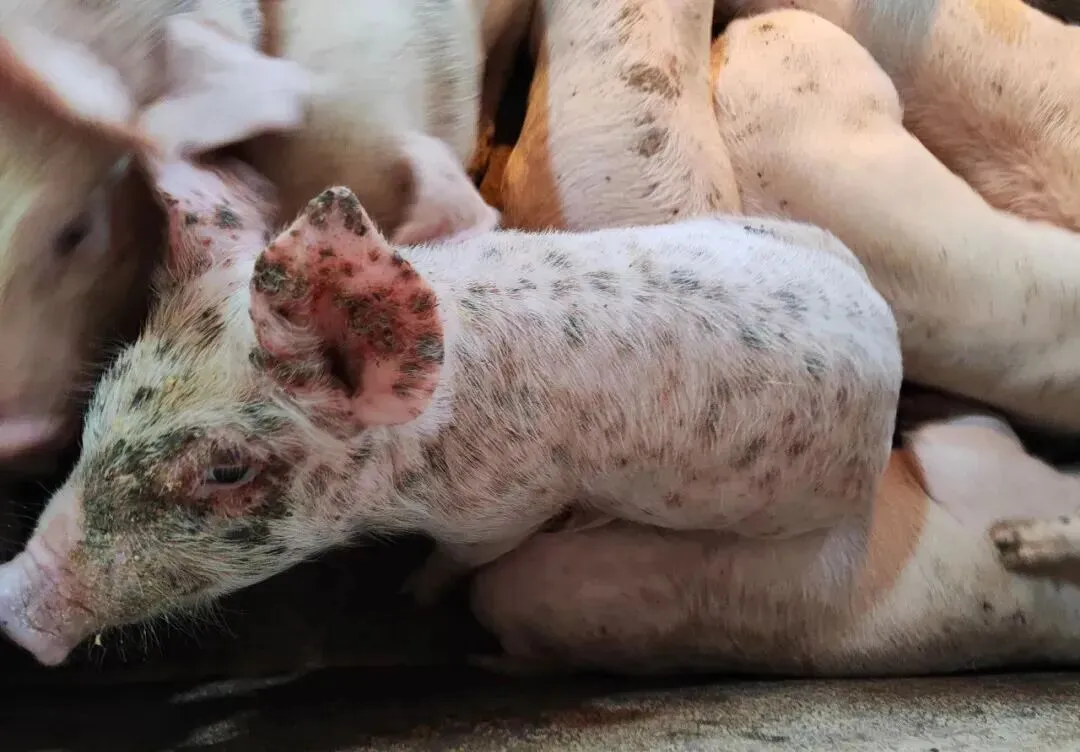
Among modern swine diseases, PRRS, commonly known as Blue Ear Disease, remains one of the most economically damaging viral infections worldwide. The virus primarily attacks immune cells, reducing the pig’s ability to defend itself against other pathogens. Infected animals often exhibit respiratory symptoms, poor feed intake, reproductive disorders, and reduced growth performance.
At the same time, PCV2 (Porcine Circovirus Type 2) further compromises the immune system by damaging lymphoid tissues. Once immunity declines, pigs become highly susceptible to secondary infections. This creates ideal conditions for bacterial pathogens such as Haemophilus parasuis, the causative agent of Glässer’s Disease, to spread rapidly throughout the herd.
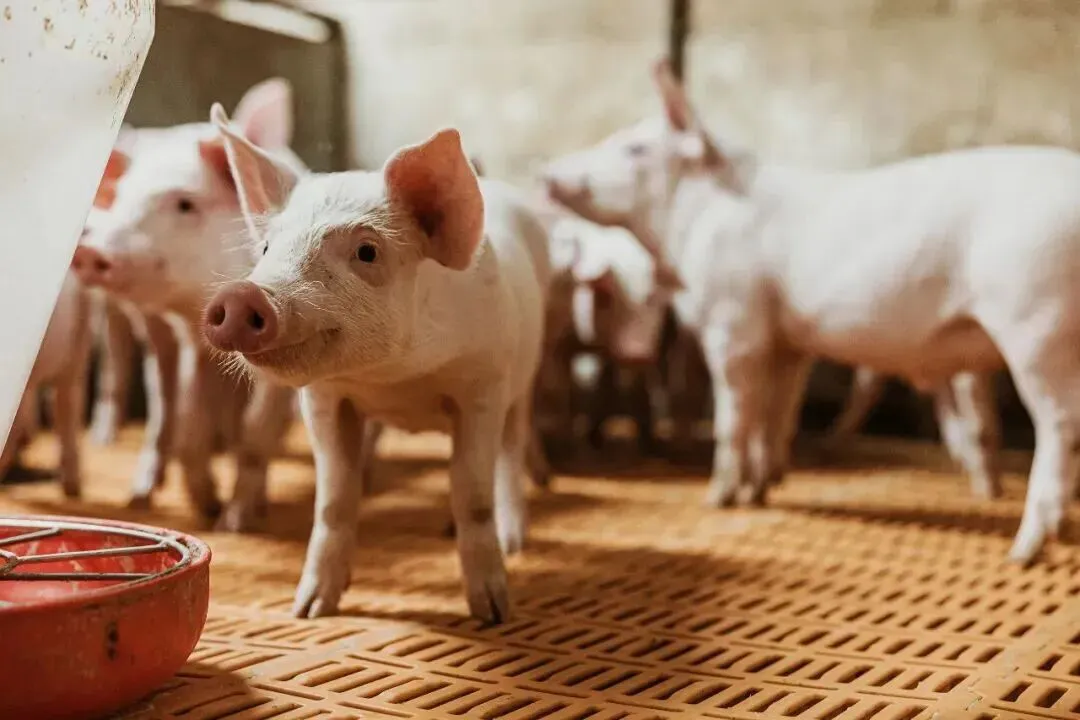
The result is a cycle of viral and bacterial co-infections that can be difficult to control if preventive measures are not implemented early. Farms experiencing simultaneous outbreaks often report increased treatment costs, poor feed conversion rates, slower weight gain, and higher mortality levels among nursery and growing pigs.
The Hidden Cost of Co-Infections in Modern Pig Farming
While the clinical symptoms of these diseases can vary, the economic consequences are often similar. Producers may notice pigs growing unevenly, consuming less feed, and requiring more days to reach market weight. In severe cases, reproductive performance declines, medication expenses increase, and overall production efficiency drops significantly.
Industry studies have shown that PRRS and PCV2 co-infections can reduce average daily gain and negatively affect feed conversion efficiency, two of the most important indicators of profitability in commercial swine production. When bacterial infections such as Glässer’s Disease are added to the equation, losses can escalate quickly.
For producers operating in competitive markets, even a small decline in performance can have a substantial impact on annual revenue. This is why disease prevention is no longer viewed solely as a veterinary issue but as a key component of farm management and financial sustainability.
Prevention Remains the Most Effective Solution
Experts agree that controlling these diseases requires more than relying on treatment after an outbreak occurs. Instead, successful farms focus on building strong preventive systems that combine vaccination, biosecurity, environmental management, and nutritional support.
Vaccination programs continue to serve as the first line of defense against major viral diseases such as PRRS and PCV2. A well-designed vaccination strategy can help reduce disease pressure and improve herd immunity. However, vaccines alone cannot eliminate risk if other management factors are overlooked.
Biosecurity remains equally important. Strict control of animal movement, vehicle disinfection, visitor management, and quarantine procedures can significantly reduce the likelihood of introducing pathogens onto the farm. Many disease outbreaks can be traced back to gaps in biosecurity protocols, highlighting the need for consistent implementation across all production stages.
Environmental conditions also play a major role in disease development. Poor ventilation, excessive humidity, high ammonia levels, and temperature fluctuations create stress that weakens immunity and promotes pathogen transmission. Maintaining a clean, comfortable, and well-ventilated environment helps pigs remain healthier and more resilient against disease challenges.
Nutrition: A Critical Yet Often Overlooked Factor
In recent years, increasing attention has been given to the role of nutrition in supporting disease resistance. A healthy immune system depends not only on vaccination and management but also on adequate nutrient intake.
Modern swine nutrition programs increasingly incorporate functional ingredients designed to enhance immunity, support intestinal health, improve feed utilization, and reduce the negative effects of stress. During periods of disease challenge, nutritional support can help pigs maintain performance and recover more quickly.
This is where professional animal health companies can provide valuable support to producers seeking comprehensive solutions.
As a professional supplier of veterinary medicines, feed additives, and premixes, Vitboo is committed to helping pig producers improve herd health and production efficiency through science-based nutritional and health management solutions.
Vitboo's product portfolio is designed to support the key areas that directly influence farm performance, including immune function, respiratory health, intestinal integrity, growth efficiency, and stress management. By combining advanced nutritional technologies with practical field experience, Vitboo provides solutions that help producers reduce disease-related losses and improve overall productivity.
In farms facing challenges associated with PRRS, PCV2, and Glässer’s Disease, nutritional support can play an important role in strengthening immunity and improving resilience. Functional feed additives may help enhance nutrient absorption, support gut health, and optimize feed conversion efficiency, while balanced premix formulations ensure pigs receive essential vitamins, minerals, and trace elements required for optimal growth and immune performance.
As global demand for pork continues to rise, producers are increasingly seeking sustainable approaches that improve both animal health and economic returns. Integrated disease management strategies that combine preventive healthcare with precision nutrition are becoming the preferred model for modern swine operations.
The future of pig farming will increasingly depend on proactive health management rather than reactive disease treatment. Farms that successfully control major diseases are those that invest in comprehensive prevention programs, maintain high biosecurity standards, and adopt nutritional strategies that support long-term herd health.
The simultaneous occurrence of PRRS, PCV2, and Glässer’s Disease presents a significant challenge, but it is not an insurmountable one. Through early prevention, effective management, and targeted nutritional support, producers can reduce disease pressure, improve production performance, and enhance profitability.
As a trusted partner in animal health, Vitboo remains dedicated to providing high-quality swine feed additives, veterinary medicines, and premix solutions that help producers build stronger, healthier, and more productive herds. By working together with customers worldwide, Vitboo continues to support the development of a more efficient and sustainable livestock industry.
Phone:+86 135 9888 1411
Tel:+86-0371-88959050
Email:sales@vitboo.com
Address:Zhengzhou City, Henan Province, China
